
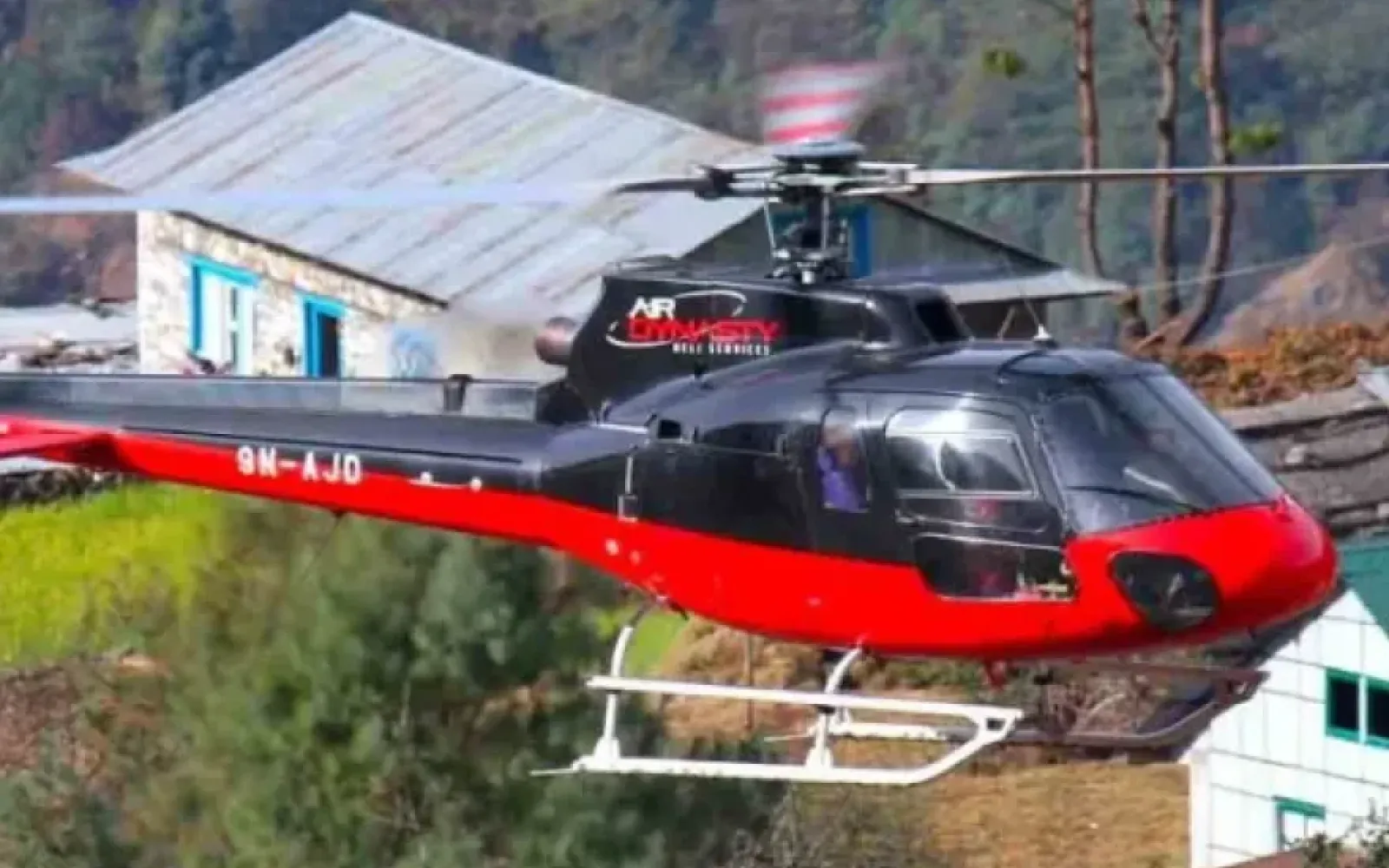
Gokyo Valley is one of the most spectacular trekking destinations in the Everest region of Nepal, known for its turquoise glacial lakes, high mountain passes, and views of some of the world’s highest peaks. However, the remote Himalayan environment also presents serious challenges, including altitude sickness, rapidly changing weather, difficult terrain, and limited access to medical facilities. Trekkers should understand emergency procedures before beginning a journey into the valley.
In an emergency, Air Dynasty Heli can coordinate helicopter-based rescue and evacuation services, subject to weather, aircraft availability, landing conditions, altitude limitations, and applicable aviation and rescue procedures. Understanding how emergency assistance works can help trekkers, guides, and expedition organizers respond more quickly when a serious situation occurs.
Emergency rescue in Gokyo Valley involves a coordinated response between trekkers, guides, local rescue personnel, helicopter operators, medical teams, and relevant authorities. When a serious incident occurs, the priority is to establish the trekker's exact location, medical condition, altitude, and immediate environmental risks. Accurate information can help the rescue team determine the appropriate response.
Air Dynasty Heli provides helicopter services that may support emergency evacuation from remote areas of Nepal. Depending on the circumstances, the operation may involve assessing weather and terrain, identifying a suitable landing or pickup area, coordinating with people on the ground, and transporting the patient to an appropriate medical facility when conditions permit.
The remoteness of Gokyo Valley means that reaching advanced medical care on foot can take considerable time. A serious injury or rapidly developing altitude-related illness can therefore become more difficult to manage without timely assistance. Helicopter evacuation can provide an important transportation option when ground evacuation is impractical, and flying conditions are suitable.
Emergency rescue is particularly important because conditions in the Everest region can change quickly. Strong winds, snowfall, cloud cover, and poor visibility can affect both trekking and aviation operations. Air Dynasty Heli and ground teams must consider these factors before and during any rescue flight.
Altitude is one of the major concerns for trekkers visiting Gokyo Valley. As elevation increases, the reduced availability of oxygen can cause altitude-related illnesses, particularly when acclimatization is inadequate or the ascent is too rapid. Symptoms can range from headache and nausea to more serious conditions requiring immediate descent and medical attention.
The terrain also creates physical and environmental hazards. Trekkers may encounter steep trails, loose rocks, icy surfaces, cold temperatures, strong winds, and sudden changes in weather. Proper acclimatization, pacing, hydration, appropriate clothing, and experienced local guidance can reduce risks, although they cannot eliminate them.
Trekkers in the Everest region can experience a wide range of emergencies. Altitude-related illnesses are among the most important concerns, while falls, sprains, fractures, dehydration, hypothermia, and severe exhaustion can also occur. In remote areas, even an apparently manageable injury may require evacuation if the trekker cannot safely continue.
Emergencies can also develop because of weather or environmental conditions. A sudden storm, heavy snowfall, poor visibility, or difficult trail conditions can leave trekkers unable to proceed. Guides and trekking operators should continually assess the group's condition and route conditions and seek professional assistance when necessary.
When an emergency is reported, the response generally begins with collecting essential information about the patient and their location. The rescue coordinator may need the trekker's name, exact position, altitude, symptoms or injuries, number of people requiring assistance, and details about the surrounding terrain. Air Dynasty Heli can then assess the feasibility of helicopter support based on operational and environmental conditions.
If a helicopter evacuation is appropriate and authorized, the flight team coordinates with people on the ground to identify a safe approach or extraction location. Once the patient is reached, ground personnel or medical responders may stabilize the patient before evacuation. During the flight, the patient may be transported to a suitable medical facility depending on medical requirements, location, weather, and available services.
Trekkers should seek emergency assistance when a medical condition becomes serious, rapidly worsens, or makes continued trekking unsafe. Severe altitude-related symptoms, loss of consciousness, breathing difficulties, inability to walk, serious injuries, or significant deterioration should be treated as urgent situations rather than problems to simply wait out.
Early communication is important. Trekkers should immediately inform their guide, trekking company, or local emergency contact when serious symptoms appear. In an appropriate situation, Air Dynasty Heli may be contacted through the relevant rescue coordinator or authorized emergency channel to assess helicopter evacuation options. Rescue flights remain dependent on weather, aircraft performance, landing conditions, airspace, and other operational factors.
Altitude sickness is one of the most important health concerns for anyone trekking through the Gokyo Valley and other high-altitude areas of the Everest region. As trekkers ascend, the reduced oxygen available at higher elevations can cause symptoms such as headache, nausea, dizziness, unusual tiredness, and loss of appetite. More serious altitude-related conditions can become life-threatening and require immediate descent and medical assessment.
Trekkers should never ignore symptoms that are becoming more severe or continue ascending when their condition is deteriorating. If a serious emergency occurs, helicopter evacuation may be considered when ground evacuation is impractical, and flying conditions permit. Air Dynasty Heli can support helicopter evacuation operations, with each mission subject to weather, aircraft performance, altitude, landing conditions, airspace requirements, and coordination with the relevant rescue and medical teams.
When an emergency occurs, remaining calm and providing accurate information can significantly assist the rescue process. Trekkers should immediately inform their guide, trekking agency, or designated emergency contact and provide their exact location, altitude, symptoms, injuries, number of people affected, and any nearby landmarks. If GPS is available, sharing precise coordinates can help rescuers identify the location more efficiently.
While waiting for assistance, the affected person should be protected from additional hazards such as extreme cold, wind, falling rocks, or unstable terrain. Trekkers should follow instructions from guides, medical professionals, and rescue coordinators rather than attempting an unsafe movement or unauthorized helicopter approach. If Air Dynasty Heli is coordinating an evacuation, the ground team should follow the crew's instructions regarding the landing or extraction area.
Emergency support in the Everest region can involve several parties, including trekking guides, local communities, rescue coordinators, medical facilities, helicopter operators, and relevant government or aviation authorities. Because communication coverage can vary significantly in mountainous areas, trekkers should discuss emergency procedures with their trekking agency before beginning the journey.
For helicopter evacuation, Air Dynasty Heli may be involved as an aviation service provider when its aircraft and operational conditions are suitable for the mission. The actual rescue process can depend on the patient's condition, location, weather, aircraft availability, flight permissions, and coordination with the medical or ground team. Trekkers should therefore obtain current emergency contact details before departure rather than relying on outdated numbers.
Travel insurance is an important consideration for a high-altitude trek in Nepal. Before traveling to Gokyo Valley, trekkers should carefully check whether their policy covers trekking at the elevations included in their itinerary. Some policies impose altitude limits or specific requirements for high-altitude activities, so travelers should understand the conditions before purchasing or relying on coverage.
Helicopter evacuation coverage should be examined particularly carefully. The policy may specify circumstances under which an evacuation is covered, required documentation, authorization procedures, reimbursement arrangements, and exclusions. Trekkers should also clarify whether the insurer requires prior approval or coordination through an assistance company. Insurance coverage does not necessarily mean that every helicopter flight will automatically be paid for.
Preparation should begin before arriving in the Everest region. Trekkers should plan a realistic itinerary that allows appropriate acclimatization and should consider the season, weather, route conditions, accommodation availability, and communication options. Appropriate clothing, footwear, navigation equipment, water supplies, and personal medications are also important for dealing with the changing Himalayan environment.
Traveling with an experienced guide or reputable trekking operator can provide additional support when conditions become difficult. Before leaving for the trek, travelers should share their itinerary with someone they trust, understand their insurance arrangements, and identify how they would communicate during an emergency. Preparing for rescue does not mean expecting an emergency; it means knowing what to do if normal trekking plans change.
Gokyo Valley offers an exceptional Himalayan trekking experience, but its remote location and high altitude require careful preparation. Understanding altitude-related illness, recognizing serious symptoms, carrying suitable insurance, and knowing how emergency communication works can help trekkers respond more effectively when unexpected situations arise.
Helicopter rescue can be an important part of emergency evacuation in remote areas when ground evacuation is difficult, but it is not a substitute for preparation and responsible trekking. Air Dynasty Heli may provide helicopter support for suitable rescue and evacuation missions, subject to operational, medical, weather, aviation, and landing considerations. Trekkers should plan carefully, follow local guidance, and treat serious symptoms promptly throughout their journey.
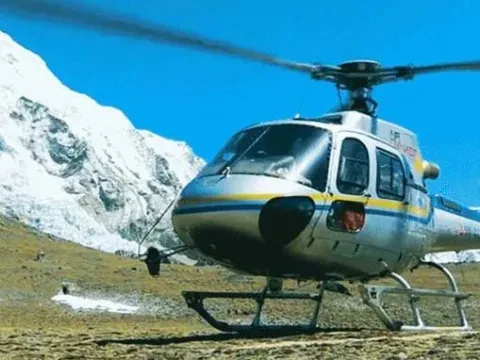
High-altitude rescue in the Everest region requires speed, precision, and specialized aviation expertise. Air Dynasty Heli supports emergency missions involving climbers, trekkers, and expedition teams who may require urgent assistance around Kala Patthar, Gorakshep, and Everest Base Camp. Each mission begins with careful assessment
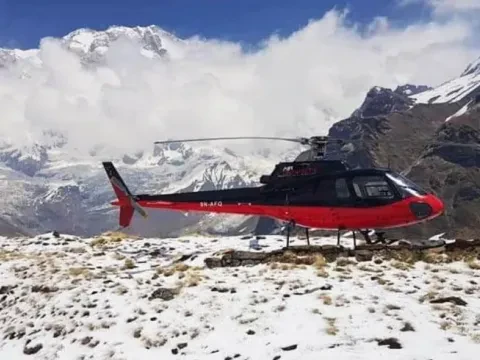
The Annapurna trekking region in Nepal is one of the most visited Himalayan destinations in the world, attracting thousands of trekkers every year. While the trails offer breathtaking views and cultural richness, they also present serious risks due to high altitude, remote terrain, and rapidly changing weather conditions. Real rescue operations
Emergency rescue operations at Makalu Base Camp are highly coordinated missions designed to respond to life-threatening situations in one of the world’s most remote high-altitude regions. Companies like Air Dynasty Heli play a critical role in providing rapid helicopter evacuation, often triggered by distress calls from climbers, trekking