
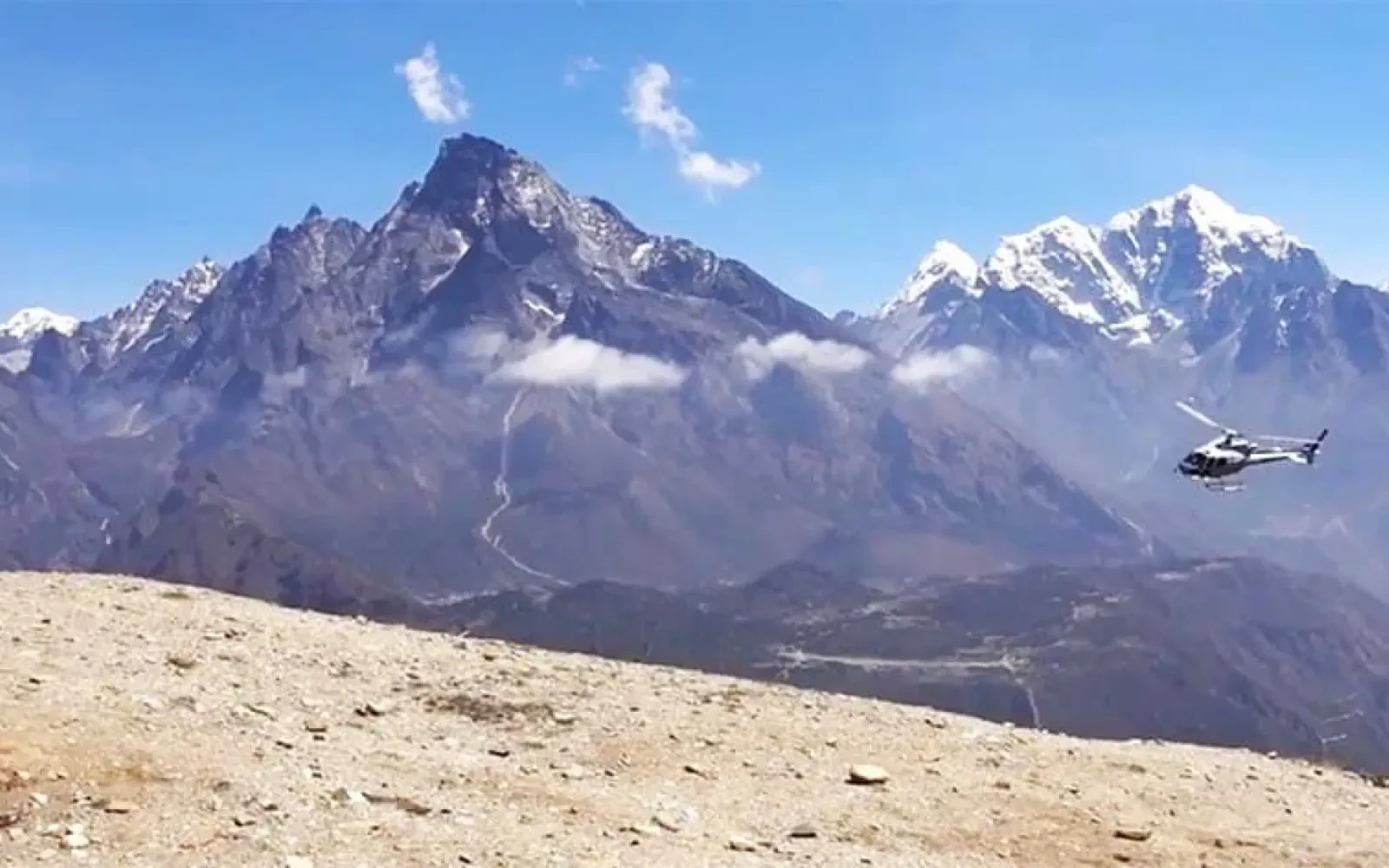
Emergency rescue operations at Makalu Base Camp are highly coordinated missions designed to respond to life-threatening situations in one of the world’s most remote high-altitude regions. Companies like Air Dynasty Heli play a critical role in providing rapid helicopter evacuation, often triggered by distress calls from climbers, trekking guides, or expedition teams.
The process begins with emergency verification, where the rescue coordination centre confirms the patient’s location, condition, and weather feasibility. Once validated, helicopter dispatch is prepared immediately, integrating aviation planning, mountain weather analysis, and medical readiness to ensure a safe and efficient rescue.
Key steps in rescue operations:
Life at Makalu Base Camp exists in one of the harshest environments on Earth, where oxygen levels are significantly reduced and weather conditions can change without warning. Trekkers and climbers operate in extreme isolation, often days away from the nearest medical facility.
In such conditions, even minor health issues can escalate quickly into emergencies. This makes helicopter rescue services not just a convenience, but a vital survival lifeline supported by organisations like Air Dynasty Heli.
Key characteristics of life in the region:
Makalu Base Camp sits in the shadow of Mount Makalu, the fifth-highest mountain in the world. The terrain is rugged, glacial, and often inaccessible by ground transport, making air rescue the only viable emergency response option in critical situations.
The environment presents serious risks such as altitude sickness, frostbite, hypothermia, and trauma from falls or avalanches. These conditions require fast medical intervention, often delivered mid-air by trained rescue and medical personnel from Air Dynasty Heli.
Environmental challenges include:
High-altitude trekking in the Makalu region frequently leads to medical emergencies due to physical exertion combined with low oxygen levels. The most common cases involve altitude-related illnesses and traumatic injuries that require immediate evacuation.
Rescue teams from Air Dynasty Heli are trained to stabilise patients on-site, often in difficult landing zones or while hovering for hoist operations. Quick decision-making is crucial to prevent deterioration during transport to lower-altitude medical centres.
Common emergencies include:
Emergency response in the Makalu region involves a coordinated network of aviation operators, medical teams, and local authorities working together under extreme mountain conditions. In many high-altitude emergencies, Air Dynasty Heli acts as a primary helicopter rescue provider, specialising in rapid evacuation from remote terrain such as Makalu Base Camp.
These rescue missions are supported by pilots trained in mountain flying, high-altitude medical responders, expedition guides, and coordination centres that monitor weather and flight safety. Together, they ensure that rescue operations can be executed even in unpredictable Himalayan environments.
Key rescue responders include:
Helicopter evacuation in the Makalu region is a highly technical operation due to thin air, unpredictable winds, and limited landing zones. Aircraft operated by Air Dynasty Heli are specially deployed to perform high-altitude rescues where ground evacuation is impossible.
Depending on terrain conditions, helicopters either land at designated safe zones or perform hover hoist rescues using winch systems. The pilot’s ability to judge altitude performance and weather windows is critical to ensuring safe extraction from Makalu Base Camp.
How evacuation works:
The rescue process from Makalu Base Camp to the hospital begins with emergency verification and ends with medical handover. Once a distress call is confirmed, Air Dynasty Heli coordinates with pilots, medical teams, and ground personnel to initiate a fast-response mission.
At the site, rescuers assess the patient’s condition, provide first aid, and prepare for evacuation. The helicopter then transports the patient through predefined emergency routes to the nearest capable medical facility, ensuring continuous care during transit.
Step-by-step rescue procedure:
Communication in high-altitude regions like Makalu Base Camp is often limited due to terrain and weather interference. Distress signals are usually transmitted through satellite phones, radio communication, or expedition communication networks, which are then routed to emergency coordination centres.
Once a call is received, Air Dynasty Heli and other rescue operators are immediately alerted. Coordination teams verify the information, assess risk conditions, and prepare helicopter dispatch while maintaining continuous communication with field teams.
How distress communication works:
Trekking agencies, guides, and Sherpas play a frontline role in managing emergencies at Makalu Base Camp. When a trekker becomes ill or injured, they are often the first to assess the situation, provide immediate assistance, and initiate communication with rescue coordinators. Their experience in high-altitude environments makes them essential in stabilising conditions before professional evacuation arrives.
Once contact is made, they coordinate directly with operators like Air Dynasty Heli to share critical information such as patient condition, altitude location, and landing feasibility. They also assist with landing zone preparation, patient transport to safe extraction points, and crowd management during helicopter operations.
Key roles of trekking agencies, guides, and Sherpas:
Weather and terrain conditions are the most critical factors affecting rescue missions in the Makalu region. Sudden storms, heavy winds, and low visibility can delay or completely restrict helicopter operations. At Makalu Base Camp, weather patterns change rapidly, making real-time monitoring essential for safe flight decisions.
The rugged Himalayan terrain further complicates landings, as flat surfaces are rare and glacier movement can make ground conditions unstable. Pilots from Air Dynasty Heli must carefully evaluate air density, wind direction, and altitude performance before attempting any evacuation.
Key impacts of weather and terrain:
Emergency helicopter evacuation in high-altitude regions like Makalu Base Camp can be expensive due to fuel usage, pilot risk, and operational complexity. Operators such as Air Dynasty Heli factor in altitude difficulty, weather conditions, and distance when determining evacuation costs.
Because of these high costs, most trekkers and climbers are required to have comprehensive travel and high-altitude insurance before entering the region. Insurance providers typically cover helicopter rescue, medical treatment, and emergency evacuation services, ensuring financial protection during unexpected incidents.
Key points on costs and insurance:
Rescue missions in the Makalu region present extreme operational challenges that require precision, experience, and rapid decision-making. At Makalu Base Camp, thin air reduces helicopter lift capacity, making it difficult to carry passengers safely, especially at higher elevations.
Operators like Air Dynasty Heli must also deal with unpredictable weather, limited landing zones, and communication delays. These factors increase risk for both the rescue crew and the patient, requiring highly skilled pilots and coordinated ground support.
Key challenges in high-altitude rescues:
Rescue operations around Makalu Base Camp often involve life-threatening situations such as severe altitude sickness, injuries from falls, and sudden weather-related collapses. In many cases, trekkers or climbers require immediate helicopter evacuation when ground evacuation is impossible due to terrain or time constraints. Operators like Air Dynasty Heli are frequently deployed to respond to such emergencies under challenging high-altitude conditions.
These real-life rescues highlight the importance of rapid decision-making and coordination between guides, base camp teams, and aviation crews. Many successful evacuations depend on timely distress calls and accurate location sharing, allowing rescue teams to reach patients before their condition worsens.
Common real-life rescue scenarios:
Trekking safely in the Makalu region requires careful preparation, physical conditioning, and awareness of altitude-related risks. Since Makalu Base Camp is located in a remote and high-altitude environment, trekkers must take gradual acclimatisation seriously and avoid rushing ascent schedules.
Guidance from experienced operators like Air Dynasty Heli and professional trekking agencies emphasises prevention as the most effective safety strategy. Proper gear, hydration, and communication planning significantly reduce the chances of requiring emergency evacuation.
Key safety tips:
Trekking in remote regions like Makalu Base Camp demands a high level of preparedness, awareness, and respect for the mountain environment. Even with modern rescue systems in place, the unpredictable nature of the Himalayas means that prevention remains the most important factor in ensuring safety.
Organisations such as Air Dynasty Heli provide a critical safety net through rapid helicopter evacuation and emergency response, but trekkers must also take responsibility for proper planning, fitness, and risk management before entering such extreme terrain.
Final key takeaways:
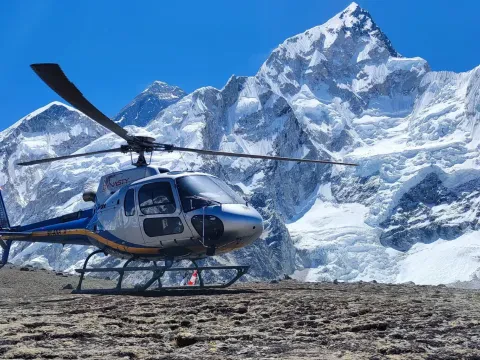
10 Best Helicopter Tours in Nepal is the ideal choice for people who are physically unable to scroll up and down in the Himalayas but have an immense desire to see the majestic Himalayas. It is also an ideal choice for people who don’t want physical barriers to reach the amazing site of Nepal. Even though Nepal is a small country
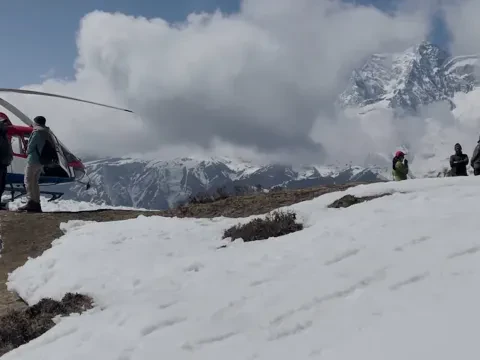
Every year, thousands of adventurers set off for the Himalayas with dreams of reaching Everest Base Camp, standing atop Kala Patthar, or exploring the remote valleys of the Annapurna region.But here's what most travel blogs won't tell you: approximately 10-15% of trekkers in the Everest region require some form of emergency assistance
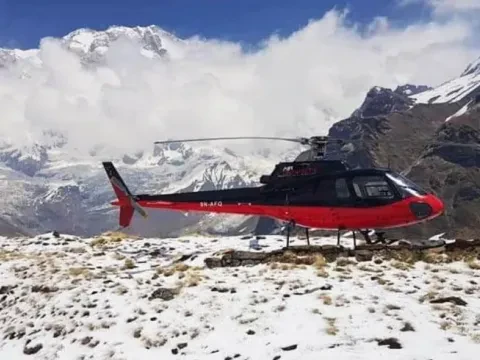
The Annapurna trekking region in Nepal is one of the most visited Himalayan destinations in the world, attracting thousands of trekkers every year. While the trails offer breathtaking views and cultural richness, they also present serious risks due to high altitude, remote terrain, and rapidly changing weather conditions. Real rescue operations