
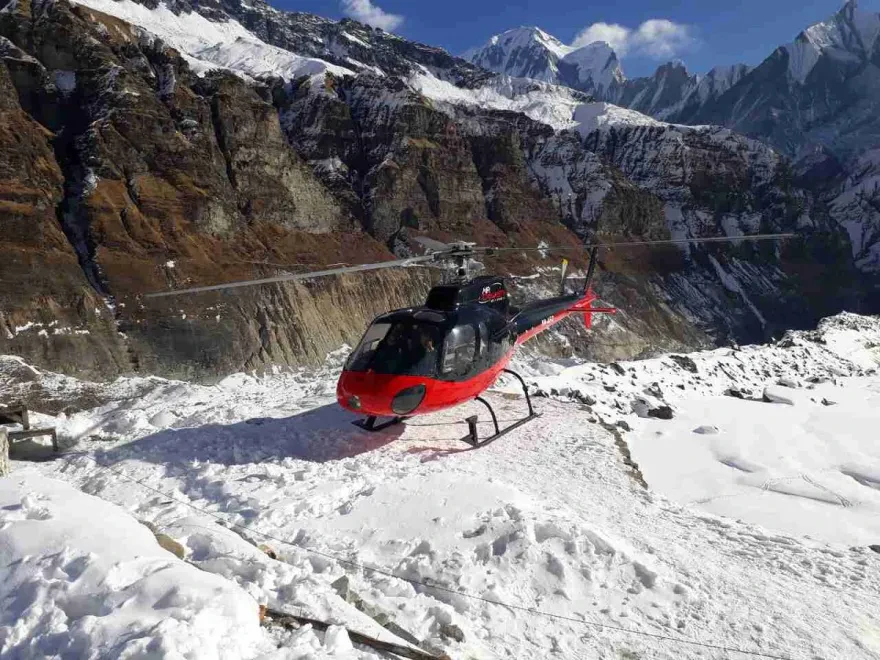


Experience the sacred Kailash Manasarovar Yatra with Air Dynasty Heli, journeying from Kathmandu through Nepalgunj, Simikot, Hilsa, and Tibet. Explore Manasarovar Lake, complete the challenging Kailash Parikrama, cross Dolma La Pass, and return to Kathmandu with unforgettable spiritual and Himalayan memories.
The Kailash Manasarovar Yatra is one of the most sacred and spiritually significant pilgrimages in the world. Mount Kailash, located in the remote western region of Tibet, is considered the abode of Lord Shiva in Hinduism, while Lake Manasarovar is revered as a holy lake that symbolizes purity and divine energy. The journey is not just a physical trek but a profound spiritual experience, attracting thousands of pilgrims from across India, Nepal, and other countries each year. The yatra combines trekking, driving, and flying, allowing pilgrims to explore the natural beauty, ancient monasteries, and unique cultural heritage of Tibet.
This pilgrimage typically begins with a flight from Kathmandu to Nepalgunj, followed by a flight to Simikot. From Simikot, a helicopter transfer to Hilsa provides access to the Tibetan border, after which pilgrims cross into Taklakot in Tibet. The journey continues with a drive to the sacred Lake Manasarovar, and then the symbolic parikrama (circumambulation) of Mount Kailash. The trek around Mount Kailash, also known as the Kailash Kora, spans three days and includes the challenging Dolma La Pass at 5,700 meters. Pilgrims finally return via Taklakot and Hilsa to Nepalgunj and back to Kathmandu, completing a spiritual journey that combines devotion, adventure, and breathtaking scenery.
The best season to undertake the Kailash Manasarovar Yatra is during May to September, when the weather is relatively stable, and the high-altitude passes are accessible. During this period, the roads and trails are less likely to be blocked by snow, making the journey safer and more enjoyable. Early May and late September are slightly cooler, while June to August offers moderate temperatures but may include occasional rains. Avoiding winter months (November to February) is highly recommended, as heavy snowfall can make both travel and trekking extremely challenging.
Pilgrims should also plan for early morning starts and acclimatization days at Taklakot and Manasarovar to adjust to high altitudes. Proper preparation, including physical conditioning and altitude acclimatization, enhances the overall experience and reduces the risk of altitude sickness. Carrying warm clothing, sun protection, and personal medical supplies is essential due to unpredictable weather and high elevations. Planning the yatra with a trusted operator like Air Dynasty Heli, which offers safe helicopter transfers and experienced guides, ensures a smooth and well-organized pilgrimage.
Key Points:
The Kailash Manasarovar Yatra requires special permits, as the region falls under restricted Tibetan border areas. Pilgrims must obtain a Tibet Travel Permit and, if applicable, an additional Alien Travel Permit, which can be arranged by authorized travel operators. These permits are mandatory and ensure a legal and hassle-free journey. Most pilgrims also require a registered guide or tour operator to comply with Chinese/Tibetan regulations. Operators like Air Dynasty Heli take care of all permits, logistics, and travel formalities, ensuring that the pilgrimage is seamless.
Food during the yatra is generally simple but nutritious, catering to high-altitude requirements. Pilgrims are provided with warm meals, often including rice, lentils, noodles, soups, and local Tibetan dishes. Hydration is a key focus, as high altitudes can cause dehydration. Accommodation ranges from basic guesthouses to camps, depending on the location. In Taklakot and Manasarovar, overnight stays are usually in modest lodges, while during the parikrama around Kailash, camping or simple guesthouses are common. Proper advance booking with Air Dynasty Heli ensures comfortable and safe stays throughout the journey.
Key Points:
This itinerary ensures proper acclimatization, spiritual engagement, and exploration of the sacred landscape. Each day balances adventure with the opportunity to reflect and connect with the spiritual essence of Mount Kailash and Lake Manasarovar.
Choosing Air Dynasty Heli for the Kailash Manasarovar Yatra guarantees a safe, reliable, and comfortable pilgrimage experience. Helicopter transfers reduce long, exhausting road travel in remote regions, making the journey quicker and less physically demanding. The company has years of experience organizing high-altitude journeys, ensuring all logistics—from permits to accommodations and meals—are well-handled. Their experienced pilots, guides, and support staff provide guidance at every step, allowing pilgrims to focus on the spiritual significance of the journey rather than travel challenges.
Air Dynasty Heli also prioritizes safety, with modern helicopters, professional pilots, and contingency plans for altitude sickness or emergencies. By combining convenience with traditional pilgrimage practices, pilgrims can perform the parikrama around Mount Kailash with minimal stress. Choosing a reputable operator ensures that the journey is smooth, spiritually enriching, and physically manageable, even at extreme altitudes. This makes Air Dynasty Heli one of the most trusted options for a life-changing Kailash Manasarovar Yatra.
Key Points:
Booking Terms And Condition
Without any doubt, traveling is full of uncertainties, and the best of plans change. So, it’s imperative to find the back up against the wall, which you will be later thankful for.
Below some cancellation policies are listed:
In the afternoon, travelers will be transferred from their hotel or residence in Kathmandu to Tribhuvan International Airport for the domestic flight to Nepalgunj. Upon arrival at Nepalgunj, depending on flight schedules and road conditions, there will be an option to drive to Surkhet (approximately 2 hours). The rest of the day can be spent relaxing and acclimatizing to the low altitude of Nepalgunj. Dinner will be served at the hotel, giving travelers a chance to savor local Nepali cuisine and prepare for the challenging journey ahead.
Meal: Dinner at Nepalgunj
Hotel: Hotel Batika or similar
An early morning flight from Nepalgunj to Simikot (altitude 2,900 m) marks the start of the Tibetan leg of the journey. Upon arrival, travelers will rest briefly before boarding the Air Dynasty Helicopter to Hilsa (altitude 3,700 m), keeping in mind the 12 kg baggage restriction. At Hilsa, all group members must wait for one another due to visa regulations, as the group enters Tibet together. In the afternoon, a scenic drive along rugged mountain roads takes travelers from Hilsa to Taklakot (altitude 3,900 m), passing through up to three immigration and security checkpoints, each potentially taking an hour. Travelers will arrive at Taklakot in time for dinner.
Meals: Breakfast at Nepalgunj/Simikot, Lunch at Hilsa, Dinner at Taklakot
Hotel: New Purang, Riverside, Hotel Himalaya, or similar
This day is dedicated to acclimatization at Taklakot. The high altitude and long journey from Nepal require careful rest to avoid altitude sickness. Travelers can explore the small town, interact with locals, and prepare mentally and physically for the upcoming drive to Manasarovar Lake. Light walks and gentle stretching are recommended. The day will conclude with a traditional Tibetan-style dinner, allowing everyone to recharge for the next day’s journey.
Meals: Breakfast, Lunch, Dinner
Hotel: New Purang, Riverside, Hotel Himalaya, or similar
After breakfast, the journey to Mansarovar Lake begins, covering approximately 95 km through breathtaking Tibetan landscapes. Along the way, travelers pass the first checkpoint before arriving at Rakshas Tal, where the towering Gurla Mandhata Mountain comes into view alongside Mount Kailash. The drive from Rakshas Tal to the lakeside takes about 3 hours. Upon arrival, travelers can perform the sacred Puja at the lake, experience the serene environment, and take in the spiritual energy of this holy site. Evening will be spent at the lake-side mud houses.
Meals: Breakfast, Lunch, Dinner
Hotel: Manasarovar Lake-side Mud House
The day starts with a drive to Darchen (4,650 m) and then to Yam Dwar, the starting point of the Kailash Parikrama. The trek to Dirapuk (14 km) begins in the morning, offering panoramic views of Mount Kailash’s north face. Pilgrims may perform Charan Sparsha, touching the feet of the sacred mountain. For those not undertaking the full Parikrama, they can remain in Darchen to rest. The trek includes moderate to challenging sections, and the group will spend the night at a mud house or guesthouse near Dirapuk.
Meals: Breakfast at Manasarovar, Lunch & Dinner during trek
Hotel: Mud house along the trek or dormitory at Darchen
After breakfast, travelers trek from Dirapuk to Dolma La Pass (5,700 m), the highest point of the Kailash Kora. The trek involves a steep ascent over the final 3 km to the pass, offering a strenuous yet rewarding climb. After reaching the pass, pilgrims descend toward Phedi and continue the trek to Zuthulpuk (12 km). The trail provides awe-inspiring views of Gaurikund and the surrounding Himalayan peaks. Evening will be spent at a basic mud house in Zuthulpuk, resting and recovering from the strenuous day.
Meals: Breakfast, Lunch, Dinner
Hotel: Mud house in Zuthulpuk
The final day of Parikrama begins with an easy 8 km trek from Zuthulpuk back toward Darchen, taking approximately 3 hours. Travelers will then drive the short distance to the pickup point, rejoining those who stayed in Darchen. From Darchen, the group begins the journey back to Hilsa. Depending on circumstances, travelers may board the helicopter to Simikot. The day concludes with dinner and overnight stay in guesthouses at Hilsa or Simikot, reflecting on the spiritual journey completed.
Meals: Breakfast, Lunch, Dinner
Hotel: Guesthouse
The final day begins with a morning flight from Simikot to Nepalgunj, followed by a connecting flight back to Kathmandu. Travelers can enjoy a relaxing day in Kathmandu after the physically demanding pilgrimage. Meals will be provided during the flights, ensuring comfort and sustenance. This marks the end of the Kailash Manasarovar Yatra with Air Dynasty Heli, leaving pilgrims with lifelong memories of their spiritual and adventurous journey.
Meals: Breakfast at Simikot, Lunch at Nepalgunj
The Kailash Parikrama is a challenging trek, covering approximately 52 km over 3 days, including a steep climb to Dolma La Pass at 5,700 meters. Pilgrims need stamina and mental preparation for walking 8–14 km daily on rugged terrain in thin air. However, Air Dynasty Heli offers options for those unable to complete the trek, such as staying at Darchen while the group completes the Parikrama. Trekking poles, proper boots, and gradual pacing are highly recommended. Acclimatization days at Taklakot and Manasarovar help prepare travelers physically.
Altitude sickness is a common concern due to the high elevations on this journey, especially above 4,500 meters at Manasarovar and Darchen. Symptoms include headache, nausea, dizziness, and fatigue. Air Dynasty Heli prioritizes gradual acclimatization, rest days, and hydration to minimize risks. Travelers are advised to carry medication like Diamox after consulting their doctor. Helicopter transfers and flexible itineraries also allow those severely affected to skip certain segments. Pilgrims are encouraged to listen to their bodies and never rush the trek.
Yes, families and elderly travelers can undertake the Kailash Manasarovar Yatra, but they should be physically fit and medically cleared. The high altitude and long hours of trekking require stamina and caution. Air Dynasty Heli provides helicopter transfers, flexible itineraries, and rest days to support elderly travelers. Those unable to trek can stay at Darchen or other rest points while the group completes Parikrama. Family members should also travel in small groups and ensure proper acclimatization, hydration, and nutrition throughout the pilgrimage.
Physical preparation is crucial for this pilgrimage, as it involves high-altitude trekking and long hours of travel. Travelers should focus on cardiovascular fitness, leg and core strength, and endurance exercises for at least 2–3 months prior to departure. Practice walking with a backpack, stair climbing, and short treks at higher altitudes if possible. Acclimatization during the journey, staying hydrated, and avoiding overexertion are key to preventing altitude sickness. Air Dynasty Heli ensures a mix of trekking and helicopter transfers to balance physical effort.
All pilgrims require a valid passport with at least six months validity, a Chinese visa, and a special Tibet travel permit issued for Kailash Manasarovar travel. Since the yatra is conducted in groups, Air Dynasty Heli organizes group permits and ensures all paperwork is processed in advance to avoid any delays at checkpoints. Travelers are advised to carry multiple photocopies of these documents along with recent passport-sized photographs, as they may be requested during the journey at airports, border posts, and Tibet entry points.
The Yatra includes three meals daily, often a mix of local Tibetan, Nepali, and basic vegetarian options. Breakfasts in hotels typically include eggs, toast, and cereals, while lunches and dinners during travel include simple, nutritious meals with rice, noodles, soups, and vegetables. At high-altitude stops like Dirapuk and Zuthulpuk, food is basic but sufficient to sustain energy. Air Dynasty Heli ensures food is hygienic and accommodates dietary preferences if informed in advance, keeping travelers well-nourished throughout the journey.
Air Dynasty Heli provides accommodation ranging from comfort hotels in Nepalgunj and Taklakot to basic mud houses or guesthouses near Kailash and Manasarovar. While the early and mid-segments of the journey feature standard hotel rooms with attached bathrooms, accommodation at high-altitude stops is simple, focusing on warmth and safety rather than luxury. Travelers should be prepared for shared dormitory-style arrangements during Parikrama. Despite simplicity, all accommodations are clean, safe, and strategically located to allow rest and acclimatization at critical points of the journey.
The Yatra is generally safe when conducted with experienced operators like Air Dynasty Heli. Flights, drives, and treks are carefully scheduled considering weather conditions, road accessibility, and altitude. Travelers must follow guidelines at checkpoints and border posts. While Tibet’s roads are rugged, helicopters provide alternative access during emergencies or bad weather. Security is maintained at all major stops, and local authorities monitor travelers. Pilgrims should carry a small first-aid kit, necessary medications, and warm clothing to ensure comfort and safety.
Air Dynasty Heli manages the journey from Nepal to Tibet through a combination of domestic flights, helicopter transfers, and road travel. Travelers fly from Kathmandu to Nepalgunj, then to Simikot, followed by a helicopter ride to Hilsa. From Hilsa, travelers drive into Tibet, passing through immigration and multiple checkpoints before reaching Taklakot. This combination of air and road travel reduces physical strain and ensures efficient progression. Helicopter transfers are particularly useful for heavy luggage, limited time, or altitude-related concerns, making the pilgrimage more accessible.
The ideal period to embark on the Kailash Manasarovar Yatra is between May to October, when the weather in Tibet is relatively stable and snow-free, making travel safer and more comfortable. Early summer months offer clear skies and moderate temperatures, while late summer allows for lush landscapes after the monsoon. Winter months are extremely harsh with heavy snowfall, high winds, and extremely low temperatures, making flights, road journeys, and treks difficult. Travelers must also consider altitude acclimatization during these months.