
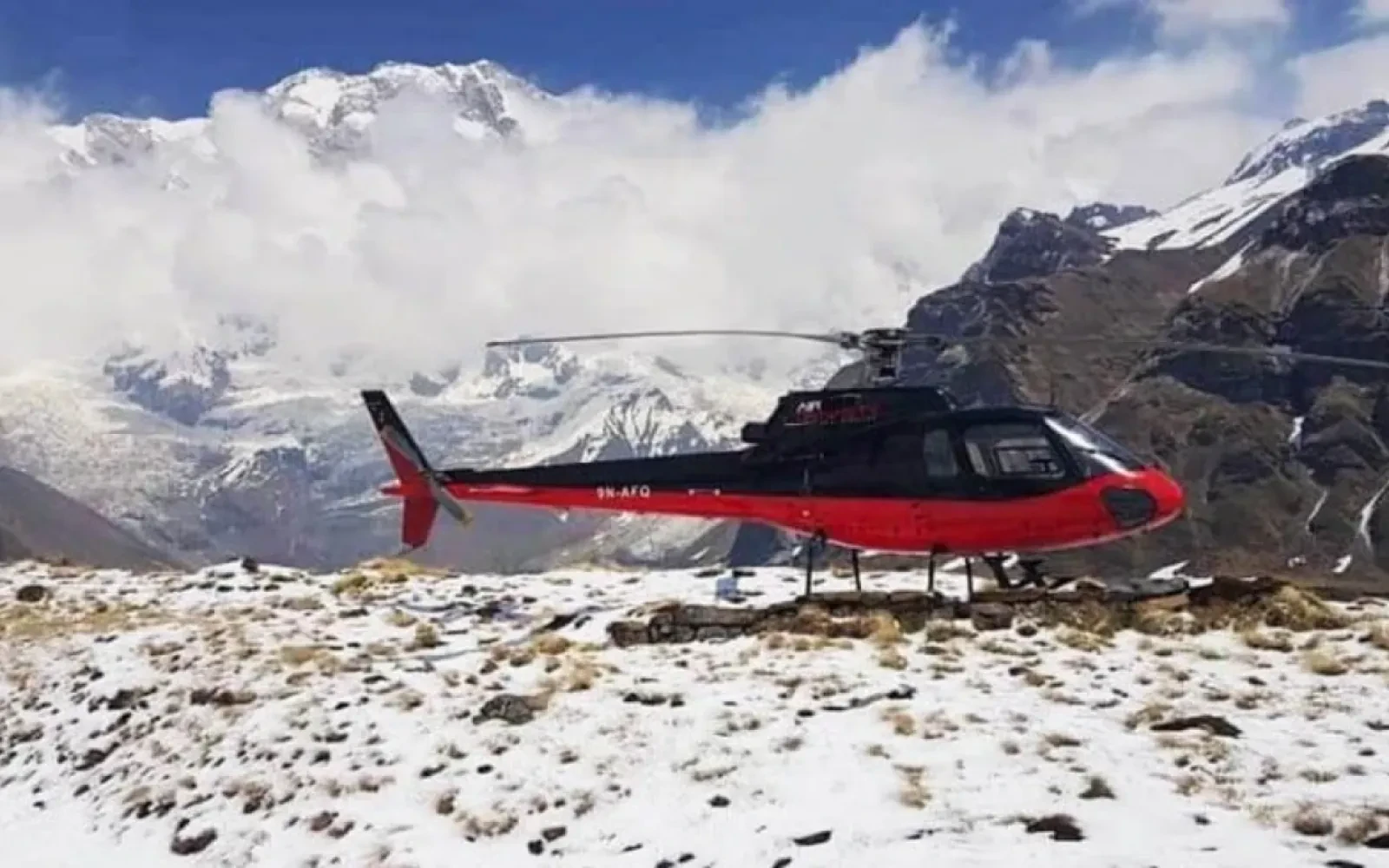
The Annapurna trekking region in Nepal is one of the most visited Himalayan destinations in the world, attracting thousands of trekkers every year. While the trails offer breathtaking views and cultural richness, they also present serious risks due to high altitude, remote terrain, and rapidly changing weather conditions. Real rescue operations in this region often involve life-threatening situations where immediate helicopter evacuation becomes the only safe option.
Companies like Air Dynasty Heli play a critical role in these emergency responses, providing rapid air evacuation and medical assistance from some of the most inaccessible locations in the Himalayas. These rescues are not rare incidents—they are a regular part of high-altitude trekking logistics, especially during peak seasons when altitude sickness and injuries increase significantly.
Key realities of Annapurna rescues:
The Annapurna region is globally famous for its dramatic mountain scenery, diverse ecosystems, and iconic trekking routes such as the Annapurna Circuit and Annapurna Base Camp. Every year, trekkers from around the world come expecting adventure, cultural immersion, and natural beauty.
However, behind this stunning landscape lies a reality that is often underestimated. The same mountains that inspire awe can also become dangerous within hours due to altitude-related illness, exhaustion, or sudden weather changes. Many trekkers find themselves in situations where descent on foot is impossible without medical assistance.
Even well-prepared trekkers can face emergencies, making the presence of reliable rescue services like Air Dynasty Heli essential for safety in the region.
Why trekkers come—and why risks exist:
The Annapurna region presents a unique combination of steep terrain, high elevation, and isolated trekking paths. Many routes pass through narrow ridges, glacier zones, and unstable mountain slopes where weather can shift dramatically within minutes. These conditions make both trekking and rescue operations extremely challenging.
Altitude is one of the most significant risk factors. As trekkers ascend, oxygen levels drop significantly, increasing the chances of Acute Mountain Sickness (AMS) and other complications. In addition, snowfall, rain, and fog can quickly reduce visibility, making navigation difficult and increasing the risk of accidents.
Helicopter rescue teams such as Air Dynasty Heli must carefully analyze terrain conditions before attempting landings or winch operations in such environments.
High-risk terrain factors include:
High-altitude emergencies in Annapurna are diverse and often occur without warning. The most common issue is Acute Mountain Sickness (AMS), which can escalate quickly into life-threatening conditions like High Altitude Pulmonary Edema (HAPE) or High Altitude Cerebral Edema (HACE). These conditions require immediate descent or helicopter evacuation.
In addition to altitude-related illness, trekkers often suffer from injuries such as sprains, fractures, and falls due to uneven terrain. Sudden weather changes can also trap groups at high camps, leading to hypothermia or exhaustion. In such cases, ground evacuation may be impossible, making helicopter rescue the safest solution.
Rescue operators like Air Dynasty Heli are frequently deployed to stabilize patients on-site and transport them to medical facilities in Pokhara or Kathmandu.
Most common emergencies include:
Real rescue operations in the Annapurna region often involve urgent helicopter evacuations where trekkers are found in critical condition due to altitude sickness, injury, or extreme weather exposure. In many reported cases, trekkers begin showing severe symptoms of AMS while ascending popular routes like Annapurna Base Camp or Thorong La Pass. Once their condition worsens, ground evacuation becomes impossible, and immediate helicopter intervention is requested.
Operators like Air Dynasty Heli frequently respond to such emergencies by deploying medical and rescue teams directly into high-altitude zones. These missions often take place in unpredictable conditions where landing zones are limited, and weather windows are extremely short, requiring precise coordination and fast decision-making.
Typical rescue scenarios include:
Rescue operations in the Himalayas follow a highly coordinated system involving trekkers, guides, local agencies, and helicopter emergency teams. When an emergency call is made, the exact location and patient condition are communicated to helicopter operators. The rescue team then prepares medical equipment, fuel planning, and flight routes before takeoff.
In the field, coordination becomes even more critical. Sherpas and trekking guides often serve as first responders, stabilizing the patient until the helicopter arrives. The pilot and medical crew from Air Dynasty Heli must assess landing feasibility, sometimes choosing hover operations or winch extractions in areas where landing is impossible.
Key steps in rescue operations:
The weather is one of the most unpredictable and dangerous factors in the Annapurna region. Clear skies can turn into snowstorms or heavy fog within minutes, severely limiting visibility and making trekking or flying extremely risky. Sudden weather changes are a leading cause of stranded trekkers and delayed rescue missions.
For helicopter rescue teams like Air Dynasty Heli, weather conditions determine whether a mission can be launched or delayed. Strong winds, low clouds, and snowfall can ground aircraft, sometimes forcing rescuers to wait for brief weather windows to perform life-saving evacuations.
Weather-related risks include:
Many trekking emergencies in the Annapurna region are not caused solely by nature but also by human decisions. Poor acclimatization, lack of preparation, and overconfidence often lead trekkers to push beyond safe limits. Ignoring early symptoms of altitude sickness can quickly escalate into life-threatening conditions.
Fatigue is another major contributor. Long trekking days, insufficient rest, and inadequate hydration weaken the body’s ability to adapt to high altitude. In such situations, trekkers may require emergency evacuation, where companies like Air Dynasty Heli step in to provide rapid medical transport.
Common human-related risk factors:
In the Annapurna region, emergency response time is often the difference between a safe evacuation and a life-threatening situation. Once a distress call is made, the information is immediately relayed to helicopter operators, including exact GPS location, patient condition, altitude, and weather status. Every minute is critical, especially in cases of severe altitude sickness, trauma, or hypothermia.
Companies like Air Dynasty Heli follow a highly structured emergency protocol. The crew rapidly assesses flight feasibility, prepares medical kits, and dispatches the helicopter from bases such as Pokhara. However, mountainous weather conditions and landing constraints can influence how quickly the mission is executed, sometimes requiring standby until a safe flight window opens.
Typical emergency timeline steps:
Many trekkers who experience emergencies in the Himalayas share valuable lessons after their rescue. A common realization is that early symptoms of altitude sickness are often ignored or underestimated. Survivors frequently report that descending earlier could have prevented the situation from becoming critical.
Rescue teams from Air Dynasty Heli also gain insights from each mission. They observe that most emergencies occur due to delayed decision-making, insufficient acclimatization, or pushing beyond physical limits. These experiences help improve future safety awareness and rescue efficiency in the region.
Key lessons from rescue cases:
Proper preparation is the most effective way to avoid emergencies in the Annapurna region. Trekkers are strongly advised to follow acclimatization schedules, carry appropriate gear, and maintain regular hydration. Simple precautions can significantly reduce the risk of altitude-related illnesses.
Rescue operations conducted by Air Dynasty Heli often highlight that many emergencies could have been avoided with better planning. Essential safety equipment, such as oxygen support, communication devices, and proper clothing,g plays a major role in preventing critical situations.
Essential safety measures include:
Experienced guides and porters are one of the most important safety assets in Himalayan trekking. Their knowledge of terrain, weather patterns, and altitude risks helps prevent many emergencies before they occur. They also monitor trekkers’ health and can identify early warning signs of altitude sickness.
In many rescue operations assisted by Air Dynasty Heli, guides are the first to initiate emergency communication and provide crucial on-ground support. Their ability to make quick decisions—such as halting the trek or arranging evacuation—often determines whether a situation escalates or is controlled early.
How guides and porters reduce risk:
Helicopter rescue in the Annapurna region is often the most expensive part of a trekking emergency. When a situation becomes critical—such as severe altitude sickness, injury, or weather entrapment—trekkers may require immediate evacuation by helicopter. These missions are complex, involving high fuel consumption, skilled pilots, and medical teams operating in extreme conditions. Companies like Air Dynasty Heli provide rapid emergency response, but the operational cost reflects the difficulty and risk of flying in the Himalayas.
Beyond financial cost, the emotional impact of a rescue is often long-lasting. Trekkers frequently describe fear, confusion, and shock during evacuation, followed by relief and reflection afterward. Families back home also experience intense anxiety until the patient reaches safety. Even after recovery, many trekkers carry psychological stress or reconsider high-altitude trekking altogether.
Key aspects of rescue cost and impact:
The Annapurna region is experiencing noticeable environmental changes due to shifting climate patterns. Rising temperatures have contributed to glacier instability, unpredictable snowfall, and increased risk of landslides. These changes make trekking routes less predictable than in previous decades, adding new layers of danger for visitors and locals alike.
Rescue operators such as Air Dynasty Heli are increasingly encountering missions affected by unstable terrain and sudden weather changes. Melting ice and weakened mountain slopes can lead to unexpected trail collapses or blocked paths, often requiring emergency evacuation even for experienced trekkers.
Climate-related risk changes include:
Trekking in the Annapurna region is not about conquering the mountains but about respecting their power and unpredictability. The Himalayas demand careful preparation, humility, and awareness from every traveler. Even experienced trekkers can face emergencies when conditions change suddenly, reminding everyone that nature always has the final authority.
Organizations like Air Dynasty Heli play a crucial role in ensuring safety when things go wrong, but the best rescue is always prevention. Responsible trekking practices, proper acclimatization, and respect for local guidance are essential to reducing risk and preserving the beauty of the region for future generations.
Final reflections on safe trekking:
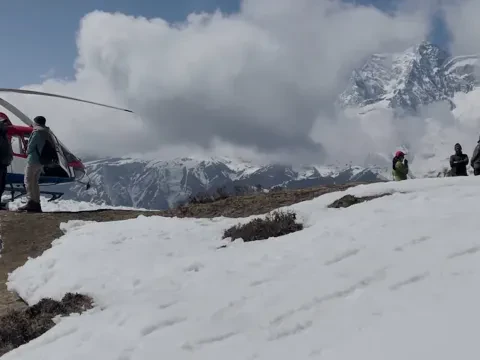
Every year, thousands of adventurers set off for the Himalayas with dreams of reaching Everest Base Camp, standing atop Kala Patthar, or exploring the remote valleys of the Annapurna region.But here's what most travel blogs won't tell you: approximately 10-15% of trekkers in the Everest region require some form of emergency assistance
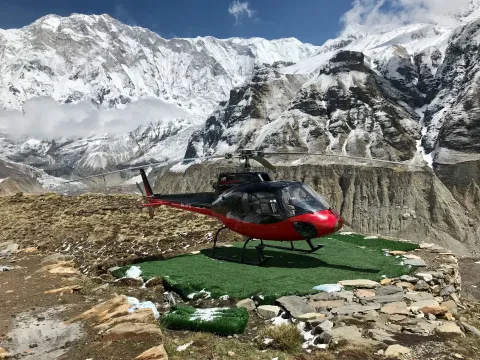
The Annapurna Base Camp Helicopter Flight offers a rare and luxurious opportunity to witness one of Nepal’s most iconic Himalayan destinations from the sky. Operated by Air Dynasty Heli Services, this premium aerial adventure allows travelers to reach the heart of the Annapurna Sanctuary in a matter of minutes, bypassing the physically
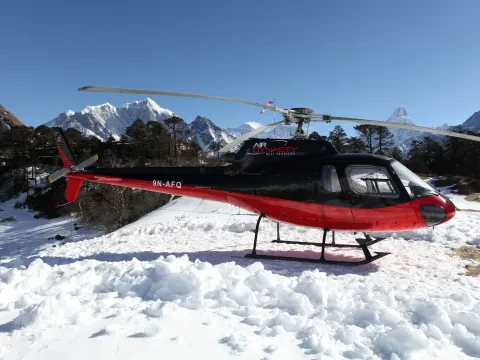
Nepal offers two of the world’s most iconic mountain experiences via helicopter: the Everest region and the Annapurna Base Camp. Choosing the right tour depends on your priorities, whether you seek the awe-inspiring peaks of the Himalayas or a serene journey through varied landscapes. Air Dynasty Heli provides both options, ensuring luxury