
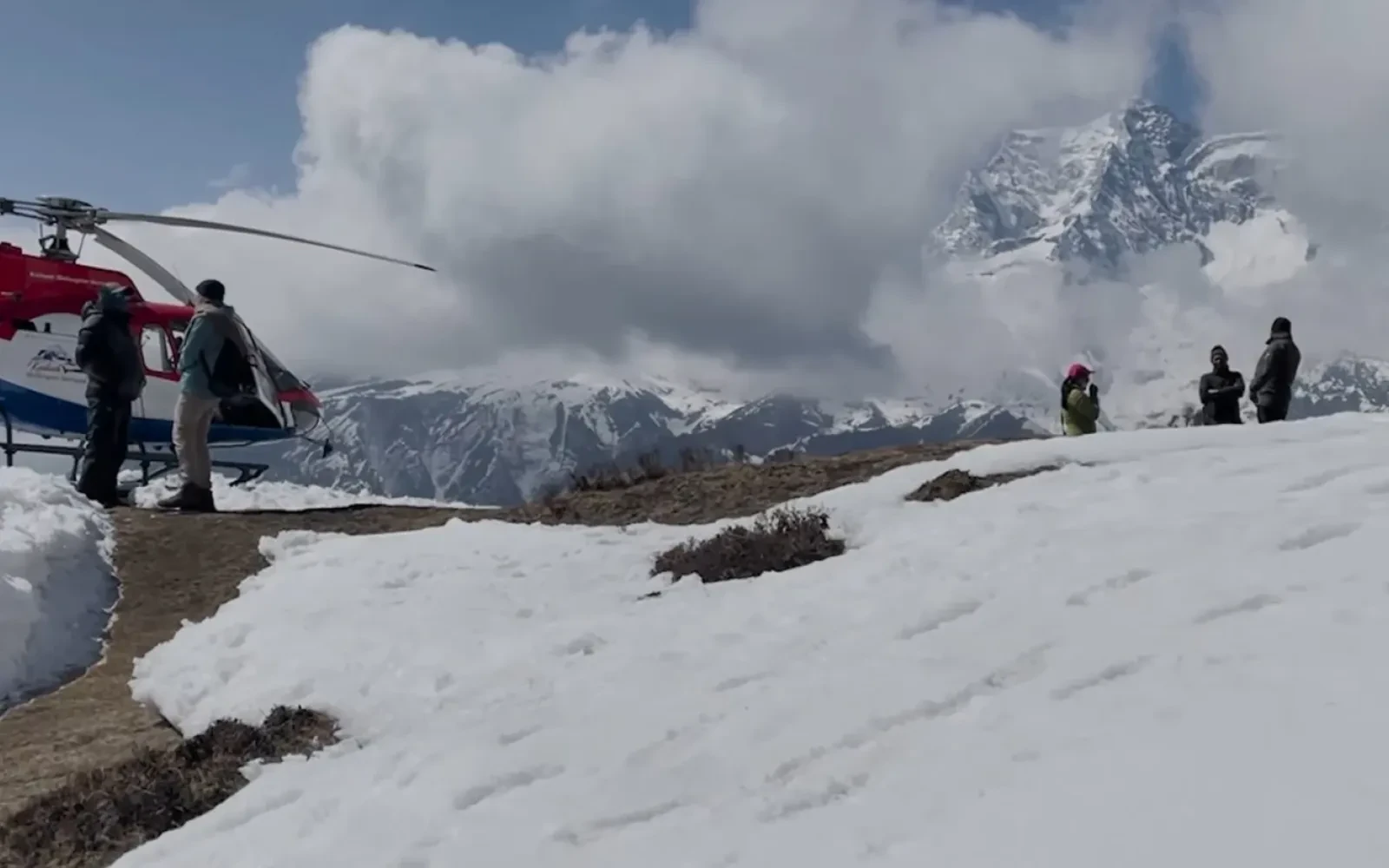
Every year, thousands of adventurers set off for the Himalayas with dreams of reaching Everest Base Camp, standing atop Kala Patthar, or exploring the remote valleys of the Annapurna region.But here's what most travel blogs won't tell you: approximately 10-15% of trekkers in the Everest region require some form of emergency assistance during their journey, with helicopter evacuations becoming increasingly common as altitude sickness, injuries, and unexpected health complications strike without warning.
I've spent years working with rescue operations in Nepal,and I've witnessed firsthand how a simple headache at 5,000 meters can spiral into a life-threatening situation within hours.This isn't meant to scare you—it's meant to prepare you. Understanding helicopter rescue operations, knowing what triggers an evacuation, and having the right insurance can literally save your life when you're gasping for air in a Himalayan teahouse with the nearest hospital days away by foot.
Let's talk about something most trekkers don't consider until it's too late:what happens when things go wrong at 17,000 feet, how helicopter rescues actually work in the world's highest mountains, and the crucial information that could mean the difference between a successful evacuation and a tragedy.
The Himalayas don't care about your fitness level, your preparation, or your determination. Altitude sickness affects marathon runners and casual hikers alike, often striking the healthiest members of a trekking group. What starts as a mild headache at Namche Bazaar can progress to High Altitude Cerebral Edema (HACE) or High Altitude Pulmonary Edema (HAPE) within hours, conditions that can be fatal if not treated immediately.
Most trekkers underestimate how thin the air becomes as they ascend. At Everest Base Camp, you're breathing air that contains only 50% of the oxygen available at sea level. Your body needs time to adjust, producing more red blood cells to compensate for the reduced oxygen. When you ascend too quickly—and many organized treks push schedules that don't allow proper acclimatization—your body simply can't keep up.
The early warning signs are deceptively simple: headaches, nausea, dizziness, and fatigue. But here's the critical part most guides won't emphasize enough—these symptoms can deteriorate rapidly. I've seen trekkers go from "feeling a bit off" to unable to walk in less than six hours. The confusion and poor decision-making that accompany severe altitude sickness make it even more dangerous, as affected individuals often insist they're fine when they clearly need immediate descent or evacuation.
Beyond altitude sickness, the Himalayas present other serious medical challenges. Hypothermia strikes quickly in sub-zero temperatures, especially when clothing gets wet from sweat or unexpected weather. Frostbite can occur within minutes during winter expeditions or unexpected storms. Cardiac events, though less common, become more likely at altitude where your heart works significantly harder. Traumatic injuries from slips, falls, or avalanches require immediate evacuation, as local medical facilities lack the equipment for complex treatments.
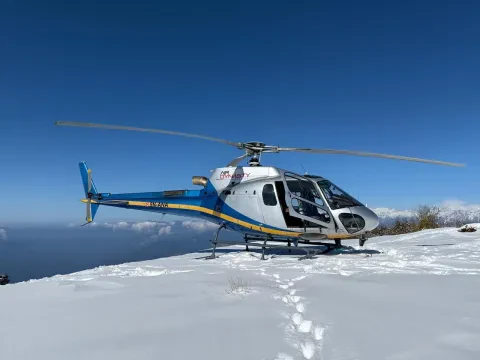
Air Dynasty Heli operates rescue services throughout the Everest and Annapurna regions, responding to emergencies ranging from severe altitude sickness to traumatic injuries. Their rescue from Gokyo Valley and Kala Patthar evacuation services have saved countless lives, often extracting patients from locations accessible only by helicopter.
The sobering reality is this: you can do everything right—acclimatize properly, stay hydrated, maintain a reasonable pace—and still develop altitude sickness. Genetic factors influence how your body adapts to thin air, and there's no reliable way to predict who will be affected. This unpredictability makes understanding evacuation procedures absolutely essential before you leave Kathmandu.
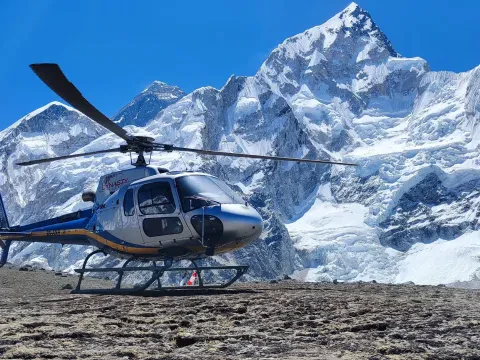
Helicopter rescue operations in the Himalayas are nothing like what you see in movies or even in helicopter operations at lower elevations. The physics of flight change dramatically at altitude, and understanding these limitations can help you grasp why rescue coordination requires such careful planning.
Standard helicopters lose approximately 3% of their lifting capacity for every 1,000 feet of elevation gain. At Everest Base Camp's elevation of 5,364 meters, helicopters operate at the edge of their performance envelope. The air is so thin that rotor blades generate significantly less lift, meaning helicopters can carry fewer passengers and less fuel. This limitation directly affects rescue operations—sometimes only the patient can be evacuated, leaving companions to descend on foot with guides.
Air Dynasty Heli uses high-performance helicopters specifically configured for high-altitude operations, including the AS350 B3e, which holds the world record for the highest altitude landing on Mount Everest at 8,848 meters. However, even these specialized aircraft face constraints. Morning operations are preferred because colder, denser air provides better lift. Weather windows are narrow—clouds, wind, and visibility can change within minutes, grounding helicopters that were minutes away from reaching a patient.
Rescue coordination begins the moment someone calls for help. Typically, a trekker's guide or lodge owner contacts rescue services via satellite phone or radio (mobile phone coverage is unreliable above Namche). Air Dynasty Heli's operations team immediately assesses weather conditions, coordinates with local authorities, and dispatches a helicopter from Kathmandu. The flight to the Everest region takes approximately 45-60 minutes, but reaching specific locations like Gorakshep or Pheriche requires additional time.
Landing sites are another critical factor. Not every location in the Himalayas has a suitable helicopter landing area. Steep terrain, narrow valleys, and altitude limitations mean helicopters sometimes hover while patients are loaded, or they land at the nearest suitable location requiring the patient to be carried short distances. Local guides and lodge owners are familiar with designated landing zones, which is why trekking with experienced guides dramatically improves rescue outcomes.
Once airborne, the helicopter flies directly to Kathmandu, where patients are transported to hospitals equipped for altitude-related illnesses and trauma. The entire process—from distress call to hospital arrival—typically takes 3-6 hours depending on location and weather. Compare this to a ground evacuation, which could take 2-3 days from upper Everest region locations, and the value of helicopter rescue becomes clear.
Air Dynasty Heli also provides specialized rescue services from the Annapurna trekking area, where different terrain presents unique challenges. The diversity of Nepal's mountain regions means rescue procedures adapt to local conditions, requiring pilots with extensive experience and intimate knowledge of the terrain.
Understanding these operational realities helps trekkers appreciate why helicopter rescues cost what they do, why weather delays are inevitable, and why following safety protocols matters. These aren't luxury services for pampered tourists—they're sophisticated emergency operations conducted in one of the planet's most challenging environments.
Let's address the elephant in the room: helicopter rescues in Nepal are expensive, and the actual costs shock most trekkers who haven't researched thoroughly. A typical evacuation from Everest Base Camp to Kathmandu ranges from $3,000 to $10,000, depending on several factors including exact location, weather conditions, time of day, and whether multiple trips are required.
These figures aren't arbitrary or inflated—they reflect the genuine costs of high-altitude helicopter operations. Consider what's involved: specialized aircraft maintenance for extreme conditions, highly trained pilots with mountain flying experience, ground coordination teams, fuel costs for flights to remote areas, and the operational challenges of maintaining equipment in harsh environments. Additionally, helicopters operating at altitude burn more fuel and experience greater wear on engines and mechanical systems, driving up operational expenses.
Many trekkers make a dangerous assumption: "My travel insurance covers helicopter rescue, so I'm protected." The reality is more complex. Most standard travel insurance policies have specific exclusions for activities above certain altitudes. Read your policy carefully—many exclude coverage above 4,000-5,000 meters, which means Everest Base Camp, Kala Patthar, and even sections of the Annapurna Circuit might not be covered.
Specialized trekking insurance is essential, and not all policies are created equal. Look for coverage that explicitly includes:
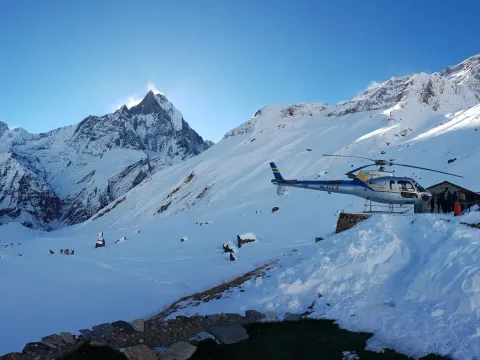
Helicopter rescue and evacuation up to 6,000+ meters without sub-limits. Some policies cap helicopter costs at $5,000, which may not cover the full expense of evacuation from remote locations. Ensure your policy has adequate limits specifically for helicopter evacuation.
Emergency medical treatment both in Nepal and post-evacuation. Helicopter rescue gets you to the hospital, but medical treatment costs accumulate quickly. Quality hospitals in Kathmandu can charge $200-500 per day for ICU care, not including procedures, medications, or specialist consultations.
Repatriation coverage for medical evacuation to your home country if needed.This can cost $50,000-100,000 or more depending on your home country and medical condition. Without proper coverage, these costs fall entirely on you or your family.
Coverage for trekking guides and support staff if you're responsible for their safety. Some policies extend to local staff accompanying you, an ethical consideration worth checking.
Importantly, rescue operations in Nepal operate on a "pay first, claim later" basis. Air Dynasty Heli and other operators require upfront payment or insurance guarantee before dispatching helicopters. This isn't callousness—it's a necessary business practice in a region where payment collection is challenging and operational costs are immediate and substantial. Your insurance company will reimburse you later, but you need access to funds immediately.
I've witnessed situations where trekkers delay calling for rescue because they're worried about costs, hoping symptoms will improve on their own. This hesitation can be fatal. If you have proper insurance, don't gamble with your life over money. That said, frivolous evacuations—calling for helicopter pickup because you're tired or uncomfortable rather than genuinely in medical distress—drive up insurance costs for everyone and waste critical resources.
Air Dynasty Heli maintains transparency about costs and works with trekkers and insurance companies to facilitate smooth rescue operations. Their experience with international insurance providers means they understand documentation requirements and can provide the necessary paperwork for claims. Having rescue services from established operators like Air Dynasty significantly improves insurance claim success rates compared to fly-by-night operations.
The charter flight services offered by Air Dynasty also provide alternatives for groups wanting to prearrange evacuation protocols or for commercial expeditions requiring standby helicopter support. While expensive, these arrangements can save lives when minutes matter.
The hardest decision any trekker faces is determining when a situation requires helicopter evacuation versus when rest, descent, and time will resolve the problem. This judgment call becomes even more difficult when you're the one experiencing symptoms, your judgment is impaired by altitude, and calling for rescue means admitting your trek is over.
Here's a framework I've developed from years of mountain experience and consultation with rescue operators and mountain medicine specialists:
Immediate evacuation situations—call now, don't wait:
Progressive difficulty breathing or severe breathlessness at rest indicates possible pulmonary edema. This can be fatal within hours if untreated. If someone is coughing up pink, frothy sputum, evacuation cannot wait.
Severe, persistent headache unresponsive to medication coupled with confusion, loss of coordination, or altered consciousness suggests cerebral edema. Ask the person to walk in a straight line—if they can't, they need evacuation immediately.
Loss of consciousness, even briefly, at altitude is a medical emergency requiring immediate descent and likely evacuation, especially if caused by anything other than a simple faint.
Chest pain, especially if radiating to the arm or jaw, should be treated as a potential cardiac event. Altitude increases heart strain, and cardiac events at altitude require immediate evacuation to facilities with cardiac care capabilities.
Severe trauma—fractures, head injuries, significant lacerations, or suspected internal injuries—need hospital treatment. The Everest region has basic medical posts, but they're not equipped for surgical intervention or complex trauma management.
Urgent but potentially manageable situations—assess carefully and prepare for evacuation:
Moderate altitude sickness symptoms persisting despite rest and hydration might improve with descent, but if there's no improvement after 12-24 hours at lower altitude, or if symptoms worsen, evacuation becomes necessary.
Gastrointestinal illness causing severe dehydration, especially if the person cannot keep fluids down, can become dangerous at altitude where dehydration effects are amplified.
Frostbite beyond superficial tissue damage requires medical evaluation. While initial field treatment can help, significant tissue damage needs hospital assessment to prevent infection and determine the extent of injury.
Psychological distress severe enough to impair judgment or endanger the person or group might require evacuation, particularly if the individual is unable to descend safely on their own.
The descent test: If someone is experiencing altitude-related symptoms, immediate descent of 500-1,000 meters often brings rapid improvement. If symptoms don't improve or worsen during descent, helicopter evacuation from the lower elevation becomes necessary. Don't continue ascending or "wait it out" at the same altitude if symptoms are moderate to severe—descent is the only reliable treatment for altitude sickness.
Group dynamics: Pressure from fellow trekkers to "tough it out" or not "ruin the trip" has literally killed people. If you're seriously concerned about your health or a companion's condition, trust your instincts. False alarms are better than fatal mistakes.
Guides and lodge owners in popular trekking regions have experience recognizing serious medical situations and can provide valuable perspective. However, remember that some guides face pressure from trekking companies to complete trips as scheduled, potentially biasing their judgment. Your health is more important than their schedule or your deposit.
Air Dynasty Heli's pilots and medical coordination team can also provide guidance if you're uncertain whether a situation warrants evacuation. Their experience with thousands of rescue operations means they can assess symptoms described over radio or satellite phone and advise whether immediate evacuation is necessary or whether monitoring and descent might suffice.
The helicopter services to various points in the Everest region means evacuation is possible from virtually any trekking route, though response times vary. Knowing evacuation is available should provide confidence, not encouragement to push beyond safe limits.
Weather in the Himalayas changes with frightening speed, and understanding these patterns is crucial for trekkers and essential for rescue operations. The reality many don't grasp until they're there: weather can ground helicopters for hours or even days, meaning an urgent medical situation may have to wait for conditions to improve.
Mornings typically offer the best flying conditions throughout Nepal's mountains. Overnight cooling creates stable air, clouds are less developed, and winds are calmer. This is why most helicopter tours to Everest and Annapurna depart early. For rescue operations, this morning window is critical—Air Dynasty Heli prioritizes emergency flights during these optimal hours.
By afternoon, thermal activity heats the valleys, creating updrafts and turbulence. Clouds build around peaks, reducing visibility and creating dangerous flying conditions. Pilots make conservative decisions about afternoon flights, and rescue operations after 2-3 PM become increasingly difficult. This isn't caution—it's necessity. Crashes have occurred when pilots pushed conditions, and responsible operators prioritize crew and patient safety over speed.
Seasonal patterns also matter tremendously. Spring (March-May) and autumn (September-November) are trekking seasons specifically because weather is more stable. Even during these months, afternoon storms can develop rapidly, particularly in spring when monsoon systems begin influencing weather patterns. Winter (December-February) brings clear skies but extremely cold temperatures and strong winds that limit helicopter operations. Monsoon season (June-August) sees frequent clouds, rain, and poor visibility that can ground helicopters for extended periods.
If you require evacuation during bad weather, you face an agonizing wait. Helicopter crews monitor conditions constantly, and the moment a weather window opens, they launch. I've seen situations where pilots made three attempts over two days before weather finally allowed them to reach a patient. During these delays, ground evacuation by porter or yak becomes an option, though it's slow and physically demanding for someone who's already ill or injured.
The Kathmandu to Lukla helicopter service and Kathmandu to Lukla flights are often suspended during poor weather, illustrating just how significantly conditions affect aviation in this region. If scheduled commercial flights can't operate, rescue helicopters face the same limitations.
Here's practical advice for trekkers: if weather is deteriorating and you're experiencing symptoms that might require evacuation, don't wait. Call for rescue during good conditions rather than gambling that you'll improve before weather closes in. Waiting until conditions worsen can trap you in a dangerous medical situation with no way out.
Satellite weather forecasting has improved, but Himalayan microclimates remain unpredictable. The weather at your current location may be perfect while conditions at landing sites or along the flight path are dangerous. Trust the judgment of rescue coordinators and pilots—they're not delaying evacuations arbitrarily.
Having a helicopter to Everest View Hotel or other mid-altitude locations as an interim step is sometimes necessary when weather blocks direct flights to Kathmandu. Pilots may stage evacuations, moving patients to lower elevations where larger helicopters with better weather capability can take over.
Getting your helicopter rescue covered by insurance isn't automatic, and the claims process requires careful documentation that should begin the moment you realize evacuation might be necessary. Insurance companies scrutinize high-value claims, and missing documentation can result in partial or denied reimbursement.
Start with photographs and written records. If possible, document symptoms—photos of injuries, written notes about symptom progression, and witness statements from guides or fellow trekkers. This sounds clinical when you're in distress, but insurance adjusters will question whether the evacuation was genuinely necessary, and documentation proves medical necessity.
Request and retain all paperwork from rescue operators. Air Dynasty Heli provides detailed invoices and flight logs documenting the evacuation. These documents should include date, time, departure and arrival locations, patient name and passport number, and itemized costs. Don't lose these documents—insurance companies require originals or certified copies.
Hospital records from Kathmandu are equally crucial. Ensure you receive complete medical records including admission notes, diagnoses, treatments received, and discharge summaries. These documents substantiate that the helicopter evacuation was medically necessary and not frivolous. Pay particular attention to diagnoses related to altitude—conditions like HACE or HAPE clearly justify evacuation.
Most insurance companies require claim submission within specific timeframes, often 30-90 days from the incident. Don't delay. Gather documentation while still in Nepal if possible, as obtaining records later from abroad is significantly more difficult. Some hospitals and rescue operators provide documentation slowly, so allow time for this process.
Filing claims requires specific forms from your insurance provider, usually available on their website or through customer service. Complete these forms thoroughly and accurately. Inconsistencies between your claim form and supporting documents raise red flags and slow processing.
Here's a critical point many trekkers miss: credit card and travel insurance might provide overlapping coverage. Some premium credit cards offer travel insurance benefits when you use the card to book flights. Check whether this applies to your situation—you might be able to file claims with multiple insurers, though you can't collect more than the actual cost.
If your insurance company denies or short-pays your claim, don't accept this immediately. Many initial denials are based on missing documentation or misunderstandings about policy coverage. Politely but firmly request specific reasons for denial in writing, and address their concerns with additional documentation or clarification. Insurance companies sometimes deny legitimate claims hoping claimants will give up.
Professional travel insurance advocates or lawyers specializing in insurance disputes can help with complex claims or substantial denials. Their fees are usually worth it for five-figure claims. Some work on contingency, taking a percentage of recovered amounts.
Air Dynasty Heli works with trekkers and insurance companies regularly, understanding what documentation insurers require. They can provide certified copies of flight logs and invoices formatted for insurance claims. Their charter flight services and rescue operations are documented meticulously, which supports clean insurance claims.
Pre-trip preparation matters: photograph your insurance policy declarations page showing coverage limits and policy number. Have your insurer's emergency assistance number and policy number stored in your phone and written in a notebook. When you call for rescue, notify your insurance company's emergency assistance line immediately—many policies require this notification, and failure to notify can void coverage.
While helicopter evacuation is often necessary for serious medical emergencies, not every situation requires—or will receive—helicopter support. Weather delays, operational constraints, or situations where immediate descent can resolve the problem mean trekkers need self-rescue skills and knowledge.
The single most important skill is recognizing when immediate descent is needed and having the will to do it. Altitude sickness doesn't care about your schedule, how much you paid for your trek, or how close you are to your goal. If you or a companion shows serious altitude sickness symptoms, descending 500-1,000 meters immediately is often the difference between recovery and medical emergency.
Descending at night or in bad weather presents obvious hazards, but sometimes waiting until morning isn't an option. This is where hiring experienced guides proves invaluable. Local guides know trails intimately, can navigate in darkness, and have networks of lodges that will accommodate emergency descents regardless of reservations or time.
Portable altitude chambers (PACs), also called Gamow bags, are available at some lodges and trekking agency camps in the Everest region. These fabric pressure chambers simulate descent of 1,500-2,000 meters, providing temporary relief from altitude sickness while arranging helicopter evacuation or physical descent. Using a PAC doesn't replace evacuation for serious cases—it buys time.
Basic medical knowledge saves lives. Carrying a comprehensive first aid kit and knowing how to use it matters more than expensive gear. Your kit should include:
Medications for altitude sickness (Acetazolamide, Dexamethasone) prescribed by a doctor familiar with altitude medicine before your trek. These drugs can prevent and treat altitude sickness but require medical guidance on dosing.
Strong pain relievers beyond basic ibuprofen, useful for severe headaches, injuries, or dental emergencies. Again, obtain prescriptions before leaving home.
Antibiotics for respiratory and gastrointestinal infections, which become dangerous at altitude where your body is already stressed. Ciprofloxacin and Azithromycin are commonly recommended, but consult a travel medicine specialist.
Wound care supplies including adhesive bandages, sterile gauze, medical tape, antiseptic, and blister treatment. Minor wounds become major problems if infected.
Emergency thermal blankets, chemical heat packs, and windproof/waterproof layers in case of unexpected weather or injury requiring prolonged exposure.
Satellite communication devices deserve serious consideration. The Everest region has mobile coverage in some areas, but it's unreliable above Namche and nonexistent in many valleys. Personal locator beacons (PLBs) or satellite messengers like Garmin inReach allow you to call for help from anywhere. These devices have saved lives when trekkers were separated from groups or injured in remote areas.
Physical fitness and pacing reduce the likelihood of medical problems. Many altitude sickness cases result from too-rapid ascent. Following conservative acclimatization schedules—climbing high during the day but sleeping low, adding rest days for acclimatization, and maintaining slow, steady paces—significantly reduces risk.
Hydration and nutrition at altitude are more important than most trekkers realize. Dehydration exacerbates altitude sickness, and your body needs more fluids at altitude due to increased respiration and dry air. Drink enough water so your urine remains clear or pale yellow. Eat regularly even if you lack appetite—your body burns significantly more calories at altitude, and energy deficits impair judgment and physical performance.
The rescue services from Annapurna and other regions are professional and capable, but they work best when trekkers have taken basic precautions and attempted self-help measures when appropriate. Understanding when descent will solve the problem versus when helicopter evacuation is necessary requires judgment that comes from preparation and education.
Let me walk you through a real scenario that illustrates how these decisions play out. You're at Dingboche (4,410 meters), on day six of your trek to Everest Base Camp.One of your group members woke up with a severe headache, nausea, and unusual fatigue. It's 7 AM, and the sky is clear. What do you do?
First, assess the severity systematically. Use the Lake Louise Score—a standardized method for quantifying altitude sickness symptoms. If the score indicates mild AMS (Acute Mountain Sickness), rest at the current altitude or descend to Namche may suffice. If moderate to severe, or if symptoms include confusion, severe breathlessness, or inability to walk straight, you need immediate intervention.
Run the "descent test" if symptoms are moderate. Have the person descend 200-300 meters (down toward Periche or Namche) while monitoring symptoms. Improvement during descent suggests mild AMS that may resolve with further descent. Worsening or unchanging symptoms despite descent indicate more serious problems requiring evacuation.
Check weather conditions and time of day. At 7 AM with clear skies, you're within the optimal helicopter window. Waiting until afternoon or evening reduces the chances of successful evacuation if needed. If weather forecasts show deteriorating conditions, err on the side of calling for evacuation early.
Contact your insurance company's emergency assistance number first. Explain the situation, get case authorization, and confirm coverage. This notification is often contractually required and starts the documentation process. The assistance company may have a medical professional who can provide guidance based on symptom description.
Call Air Dynasty Heli or other rescue operators. Describe symptoms clearly and honestly. Don't exaggerate, but don't minimize either. Their coordination team can assess whether immediate evacuation is necessary or whether monitoring and descent might suffice. If evacuation is recommended, provide exact GPS coordinates if possible, or detailed location description including lodge name and landmarks.
If evacuation is dispatched, prepare the patient and landing area. Keep the patient warm, calm, and as comfortable as possible. Identify and clear the nearest helicopter landing zone—guides or lodge owners can direct you. Have patient's passport, insurance information, and medical history ready to accompany them.
The hardest part is often interpersonal—the patient may resist evacuation, worried about costs or feeling embarrassed about "failing" the trek. Be firm. Better a recovered patient with a good story than a tragedy. I've seen groups pressured into continuing by one individual's reluctance to evacuate, resulting in much more serious situations hours later.
If weather prevents immediate evacuation, implement interim measures: descent to lower altitude if possible, Gamow bag treatment if available, medications under medical guidance, hydration and rest, and continuous monitoring of symptoms. Have someone stay with the affected person at all times—altitude sickness can progress rapidly, and confusion impairs judgment.
Document everything: times, symptoms, interventions, communications with rescue services and insurance. This documentation protects everyone involved and facilitates insurance claims and medical treatment upon hospital arrival.
The various helicopter services operated by Air Dynasty connect virtually every trekking area to Kathmandu's hospitals. Knowing these services exist should give you confidence to trek, not encourage recklessness. The best rescues are the ones never needed because trekkers prepared properly, acclimatized sensibly, and recognized warning signs early enough to self-rescue through descent.
While Everest dominates headlines and rescues, helicopter evacuation services extend throughout Nepal's trekking regions, each presenting unique operational challenges. Understanding rescue logistics for your specific trekking destination helps you prepare appropriately and understand what to expect in emergencies.
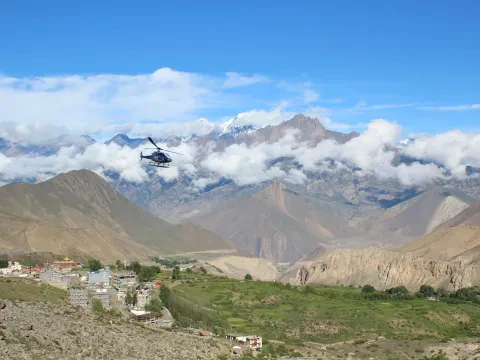
The Annapurna region sees high rescue volumes despite generally lower altitudes than Everest. The Annapurna Circuit crosses Thorong La Pass at 5,416 meters, where altitude sickness remains a significant risk. However, rescue complexity differs—numerous villages and roads at lower elevations provide evacuation alternatives. Air Dynasty's rescue services from Annapurna navigate diverse terrain from the lush Modi Khola valley to the dry high passes.
Langtang region rescues present different challenges. Closer to Kathmandu geographically, response times are shorter, but the region's steep valleys create turbulent air conditions that challenge helicopter operations. The Langtang helicopter tour and Gosaikunda services follow routes also used for rescue operations, meaning pilots have intimate knowledge of landing sites and terrain.
Remote areas like Makalu, Manaslu, and Dolpo present extreme rescue challenges. These regions see fewer trekkers, meaning less infrastructure and longer response times. The Makalu Base Camp rescue service requires longer flights from Kathmandu, and fewer suitable landing areas exist. Trekkers in these regions need even more robust preparation, as rescue might take significantly longer than from popular areas.
Religious sites like Muktinath serve pilgrims alongside trekkers, creating unique rescue scenarios. Elderly pilgrims at moderate altitudes sometimes require evacuation despite not being on technical treks. Air Dynasty provides services recognizing that altitude affects everyone differently, regardless of trekking experience.
The consistent theme across all regions: experienced helicopter operators with local knowledge provide significantly better rescue outcomes. Air Dynasty Heli's pilots fly these routes regularly for tourism, positioning, and rescue operations, meaning they know the terrain, landing sites, and local conditions intimately.
The helicopter touches down in Kathmandu, but your ordeal isn't over—now begins the hospital phase of your rescue, with its own complexities and considerations.
Kathmandu has several hospitals equipped to handle altitude-related illnesses and trauma: CIWEC Clinic, Nepal International Clinic, Grande International Hospital, and others. These facilities have experience treating altitude sickness, trauma, and the various medical issues affecting trekkers. However, capability varies significantly, and not all hospitals have ICU facilities, advanced imaging equipment, or specialist services.
Altitude sickness treatment typically involves oxygen supplementation, medications (including Dexamethasone for cerebral edema or Nifedipine for pulmonary edema), IV fluids for rehydration, and monitoring as you recover at lower elevation. Most cases improve rapidly once at Kathmandu's altitude (1,400 meters), though severe cases might require several days of hospitalization.
Hospital costs in Nepal are relatively affordable compared to Western standards, but they still accumulate quickly. A day in a private hospital room costs $100-200, ICU care $300-500, and procedures or specialist consultations add more. Your insurance should cover these costs, but remember the "pay first, claim later" principle—you'll need to pay hospital bills upfront and seek reimbursement later.
Some patients require medical evacuation to their home countries for continued treatment, particularly for serious trauma or complications beyond local capabilities. This is where comprehensive insurance with high repatriation limits becomes critical. Medical evacuation flights can cost $50,000-100,000 or more, and without insurance, these costs are devastating.
Language barriers can complicate hospital care. Major Kathmandu hospitals have English-speaking staff, but medical terminology and nuance can be lost in translation. Having a trekking company representative or embassy contact available helps navigate medical decisions.
Recovering in Kathmandu creates practical challenges: hotel accommodation while convalescing, flights home might need rebooking, and trekking equipment needs handling. Travel insurance often includes coverage for accommodation if you're delayed due to medical treatment, but verify this before assuming.
The emotional aftermath of evacuation deserves mention. Trekkers often feel frustrated, disappointed, or even guilty about ending their trek early or "inconveniencing" others. These feelings are normal, but your health is more important than any mountain.
Medical professionals at Kathmandu hospitals are experienced with altitude illness and trekking injuries, having treated thousands of cases.Trust their expertise, follow treatment recommendations, and don't rush your recovery. Some trekkers feel pressured to leave the hospital quickly to save costs, but premature discharge can lead to relapse or complications.
Your trekking insurance should provide a local assistance coordinator who can help with hospital liaison, translation services, and evacuation arrangements if needed. Use these resources—they're included in your policy and exist specifically to help in these situations.
The best helicopter rescue is the one that never happens. While you can't eliminate risk entirely in the Himalayas, proper preparation dramatically reduces your chances of requiring evacuation. Here's what actually works, based on medical research and rescue statistics.
Acclimatization schedules matter more than fitness. The number one cause of evacuations is altitude sickness from too-rapid ascent. Follow the mountaineering rule: "climb high, sleep low." Gain no more than 300-500 meters of sleeping altitude per day above 3,000 meters. Include regular rest days—at least one acclimatization day for every 1,000 meters of altitude gain. Organized treks sometimes push aggressive schedules to fit timeframes; don't be afraid to request slower pacing or additional rest days.
Pre-acclimatization helps, but isn't magic. Spending time at moderate altitude before your trek (2,000-3,000 meters) for several days helps your body begin producing red blood cells. Some trekkers use altitude training systems or hypoxic tents before their trip, though evidence for their effectiveness is mixed. Regardless, pre-acclimatization doesn't replace proper on-mountain acclimatization.
Altitude sickness medications used preventatively reduce risk when used correctly. Acetazolamide (Diamox) is the most common, taken starting 1-2 days before ascent and continuing for several days at maximum altitude. However, it's not a substitute for proper acclimatization—it supplements it. Consult with an altitude medicine specialist before your trip for proper prescription and dosing guidance.
Physical conditioning improves your margin of safety, though it doesn't prevent altitude sickness. Stronger cardiovascular fitness means your heart and lungs work less hard at altitude, reducing overall stress. Training should emphasize endurance rather than intense intervals—think long hikes with elevation gain rather than gym sprints.
Medical screening before departure identifies risk factors. Consult with a travel medicine specialist or altitude medicine expert at least 2-3 months before your trek. They can assess your risk factors, prescribe appropriate medications, and provide guidance specific to your health history and planned route. Certain conditions (heart disease, severe asthma, sickle cell trait, history of blood clots) increase altitude risks and require special consideration.
Carrying comprehensive first aid supplies and knowledge to use them is non-negotiable. Take a wilderness first aid course before your trek—these courses teach recognition and initial management of altitude sickness, trauma, and other medical emergencies. Knowing when and how to administer medications in your kit could save hours or lives.
Communication devices provide security. Satellite phones, satellite messengers, or personal locator beacons ensure you can call for help from anywhere. Mobile coverage exists in parts of the Everest region, but it's unreliable and nonexistent in many areas. Don't depend on it for emergency communication.
Hiring experienced local guides isn't just about navigation—it's about safety. Professional guides recognize altitude sickness early, know safe descent routes even in darkness, have relationships with lodges for emergency accommodation, understand local rescue procedures, and can communicate with rescue operators in Nepali. The cost of a guide is minor compared to the safety benefit.
Group size and dynamics affect safety. Very large groups (15+ people) complicate decision-making and emergency response. Very small groups (1-2 people) lack redundancy if someone becomes ill. Groups of 4-8 with experienced guides offer optimal flexibility and safety. Establish clear protocols before departure: who makes medical decisions, what triggers evacuation, and how costs are handled if someone needs rescue.
Weather monitoring and flexibility prevent many emergencies. Check forecasts daily and be willing to modify plans based on conditions. Pushing ahead into deteriorating weather has killed more mountaineers than any other single factor. If weather is bad, wait it out—schedules matter less than survival.
The various helicopter tour services offered by Air Dynasty can also serve as pre-trek acclimatization. Some trekkers fly to Lukla or Namche by helicopter, spend several days acclimatizing, then begin their trek from a partially-acclimatized state. While expensive, this approach reduces time pressure and improves acclimatization.
One of the most underappreciated aspects of Himalayan rescue is the psychological dimension. Even with perfect technical knowledge, making the right decision in a crisis—especially when you're the one experiencing symptoms—is incredibly difficult.
Altitude impairs judgment at a cognitive level. Studies show decision-making ability, memory, and reaction times all decline at altitude, with measurable effects beginning around 2,500-3,000 meters and becoming pronounced above 4,000 meters. You're literally not thinking as clearly as usual, yet you're being asked to make life-or-death decisions about your health.
Summit fever—the overwhelming desire to reach your goal despite warning signs—has killed skilled mountaineers and casual trekkers alike. Cognitive biases kick in: you've invested time and money, you're so close to your goal, everyone else is continuing, you don't want to disappoint your group or look weak. These psychological pressures can override rational assessment of danger.
Social dynamics complicate decision-making further. Groups develop implicit hierarchies and norms that influence individual behavior. If the "strongest" group member insists on continuing despite symptoms, others may follow suit. Conversely, if one person advocates for caution, they might be labeled as fearful or weak, creating social pressure to downplay legitimate concerns.
The solution requires explicit pre-trip agreements about decision protocols. Designate someone (usually the guide, or in guided groups, the most experienced member) as the medical decision-maker. Agree that their call on health issues is final, removing debate from high-pressure situations. Establish clear triggering criteria for evacuation that bypass ego and emotion: specific symptoms automatically result in evacuation regardless of proximity to goals or feelings about "failure."
Trekking with strangers presents additional complications. You don't know their risk tolerance, medical history, or decision-making style under pressure. Extra caution is warranted in these situations—don't assume others will make prudent decisions about your safety.
Mental preparation matters as much as physical training. Before your trek, mentally rehearse emergency scenarios. What would you do if you woke up with severe symptoms? How would you react if your partner became ill? Visualization of emergency responses improves actual performance when crises occur.
Understanding that helicopter evacuation isn't "failure" helps tremendously. Mountains will always be there; you only get one body. Successful mountaineers know when to turn around, and the decision to evacuate demonstrates wisdom, not weakness. Frame it correctly in your mind before you go, and it's easier to make the right call when faced with the situation.
The helicopter services from locations throughout the Himalayas mean rescue is available when needed. This knowledge should reduce anxiety and create psychological space for rational decision-making. You're not trapped—help is available, and calling for it is smart, not shameful.
Helicopter rescue services in the Himalayas represent a remarkable intersection of technology, human skill, and emergency medicine operating in one of Earth's most challenging environments. These services have saved countless lives, but they work best when trekkers understand their capabilities, limitations, and how to access them effectively.
The key takeaways for any trekker:
Comprehensive trekking insurance with adequate helicopter evacuation coverage and high limits is non-negotiable. Verify coverage explicitly includes your planned elevations and activities. This is not an area to economize.
Proper preparation—acclimatization schedules, medical consultation, first aid training, and equipment—reduces your likelihood of requiring rescue by an order of magnitude. Most evacuations are preventable through conservative pacing and early recognition of problems.
Recognize warning signs early and act decisively. Descent is almost always the right answer for altitude sickness. Don't wait until situations become critical to call for help.
Weather dictates helicopter operations absolutely. Understanding this reality helps you make better decisions about timing and risk tolerance.
Documentation from the moment an emergency begins protects your insurance claim. Photos, written records, receipts, and medical documents form the backbone of successful reimbursement.
Choosing experienced helicopter operators like Air Dynasty Heli provides better outcomes through professional crews, maintained aircraft, and established relationships with insurance companies and medical facilities. Their services cover the entire Everest region, Annapurna region, and Langtang region, ensuring comprehensive coverage wherever your trek takes you.
The mountains are magnificent, and experiencing them is genuinely life-changing. But they're also dangerous, particularly at altitude where your body operates on the edge of its capabilities. Helicopter rescue services provide a critical safety net, but the goal is to trek smart enough that you never need them. Understand how these services work not because you expect to use them, but because preparation and knowledge are the foundation of safe mountain travel.
Whether you're planning an Everest Base Camp helicopter tour, attempting a high pass, or simply trekking through Nepal's spectacular mountains, respect the altitude, prepare thoroughly, and never hesitate to call for help when needed. The mountains will wait for another day, but opportunities to make the right safety decision occur only in the moment.
Do you want to explore Nepal to its fullest but have less time? then a Heli charter tour is the perfect option for you. To experience this amazing country’s landscape and diversity Air Dynasty has designed various aerial tours to show you the best of Nepal. Looking through a birds-eye view of mountains, rivers,
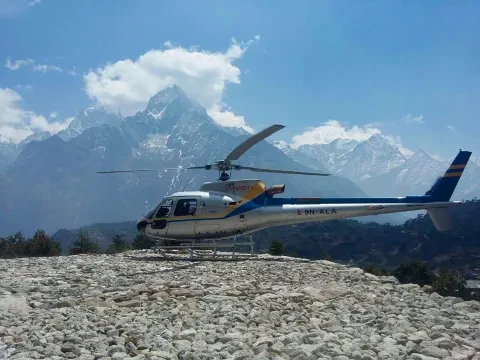
Helicopter tour in Nepal is one of the fastest and quickest ways to explore the beautiful Himalayan country Nepal. It’s the best opportunity to explore the mountainous region in a single day and suitable for those who are interested to explore more in less time. Nepal Helicopter Tour will let you explore above the towering mountains of Nepal.
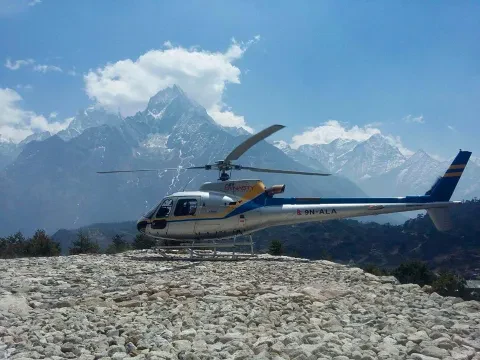
Helicopter Tour in Nepal is a very unique and inspiring way to explore the beauties of towering mountains from above. Escape the bustle of Kathmandu and enjoy the scenic view of Mount Everest, Mount Annapurna, Mount Langtang from a unique perspective on 3 hours 30 minutes helicopter tours of Nepal. Helicopter tours are created to ensure
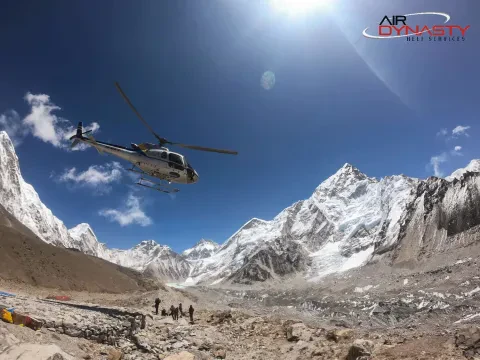
Everything you need to know about helicopter tour to Everest base camp in October and November One of the best time to explore the Himalayas from a birds-eye view is from October to November, you can get the crystal clear view of the worlds highest mountain Mt. Everest.
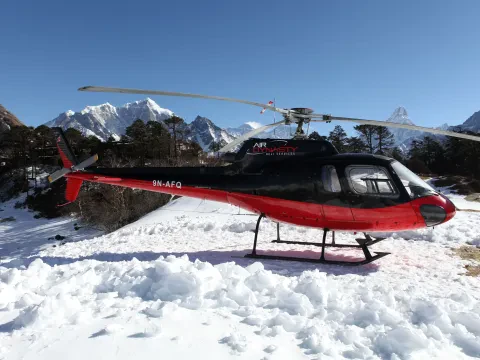
Here is the list of Helicopter flights operated directly from Kathmandu to popular spots of the Everest region. In both charter and sharing basis, you can travel to these spots directly from Kathmandu. To check your dates of availability please kindly email us at assistance@airdynastyheli.com
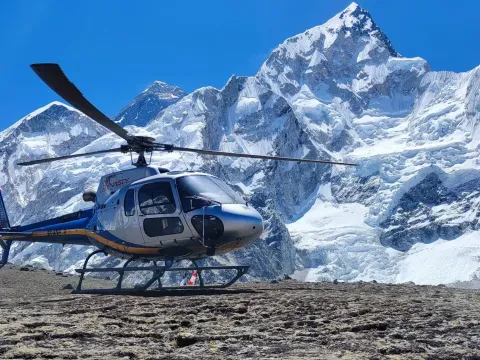
8,848 meter is the official elevation of the world’s highest Peak Mount Everest recognized by China and Nepal, established in 1955 by the Indian survey and it was confirmed in 1975 by the Chinese survey. In 2005 china re-measured the rock height of the mountain with the result of 8844.43 M. Even though there is a controversy on mountain height
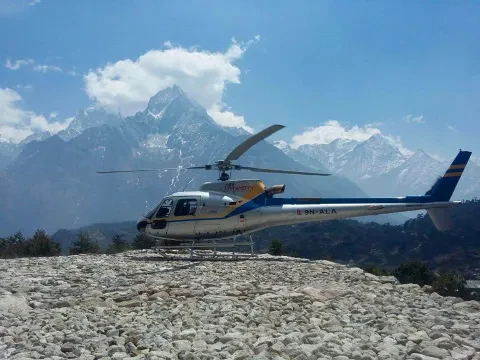
Lukla to Kathmandu Helicopter Ticket is about a 1-hour flight. 5 seater Helicopter carries 5 persons, not including the pilot. It is the alternative way to skip the difficulties of Lukla’s regular flight. Fly with a Helicopter is much benefit to make your trip on schedule away from frequent cancellation of Lukla regular flights.
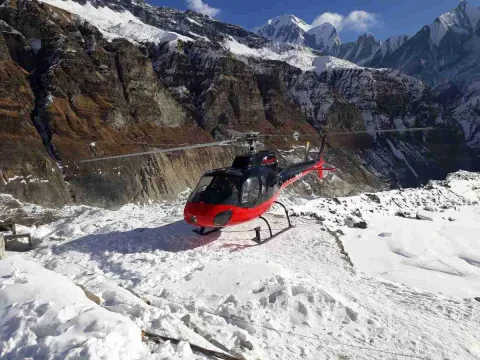
Book the Gorakshep to Kathmandu helicopter ticket at a low price, the best services provided by the air dynasty. We provided helicopter services is a great pick up and drop off all facility. The science helicopter ride provided incredible views of the Himalayas. Gorakshep to Kathmandu by helicopter is also the best idea if you want to