
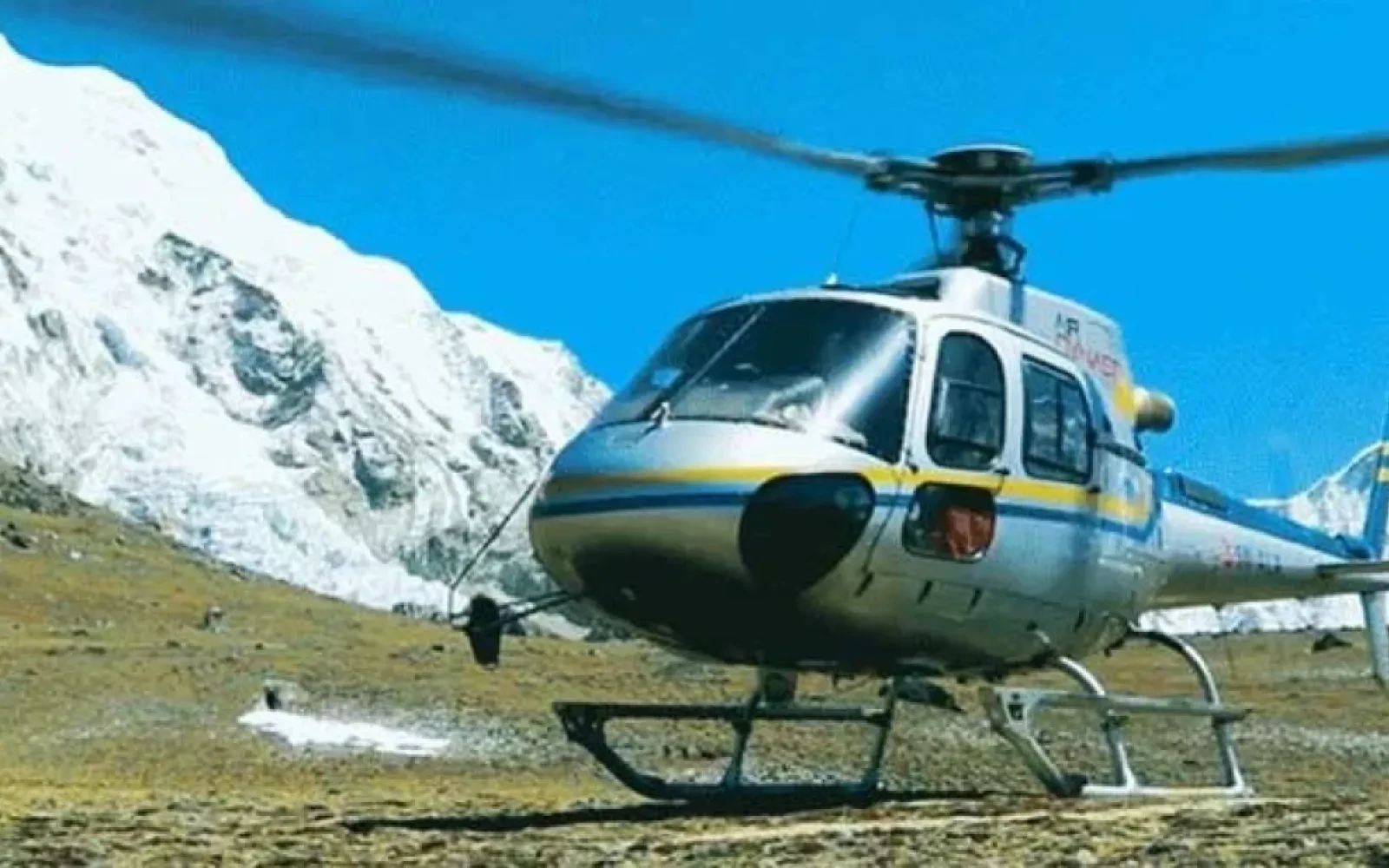
High-altitude rescue in the Everest region requires speed, precision, and specialized aviation expertise. Air Dynasty Heli supports emergency missions involving climbers, trekkers, and expedition teams who may require urgent assistance around Kala Patthar, Gorakshep, and Everest Base Camp. Each mission begins with careful assessment of the emergency, weather, altitude, terrain, and the safest available landing or extraction point.
Because rescue locations are exposed to rapidly changing mountain conditions, every operation must be carefully coordinated between the helicopter crew, ground teams, medical personnel, and relevant authorities. Air Dynasty Heli focuses on reaching affected individuals safely, providing immediate assistance where possible, and transporting them toward appropriate medical or safe locations.
The Everest region presents some of the world's most demanding conditions for emergency rescue. Thin air, extreme elevation, unpredictable weather, rugged terrain, and limited access can make a seemingly short journey a complex rescue mission. When an emergency occurs, Air Dynasty Heli evaluates the situation and develops an operational plan based on the climber's condition and the surrounding mountain environment.
The rescue journey may involve several stages, from locating and reaching the individual to stabilizing the patient and completing the evacuation. Communication is maintained throughout the mission so that ground teams and medical personnel can coordinate effectively and prepare for the patient's arrival.
The route between Kala Patthar and Gorakshep is situated at an extreme altitude, where physical exertion can quickly become difficult and medical conditions can deteriorate rapidly. For rescue teams, the terrain and elevation create additional challenges when reaching an injured, exhausted, or altitude-affected individual.
Air Dynasty Heli approaches such missions with careful consideration of the location, weather, aircraft performance, and available landing or extraction options. Depending on the circumstances, the rescue may require a suitable landing area, a carefully managed approach, or coordination with people on the ground to move the patient to an accessible location.
Safe movement toward Gorakshep or another suitable location. Oxygen levels affect both people and aircraft performance, while strong winds, low temperatures, cloud cover, and rapidly changing weather can affect whether conditions permit an approach, landing, hover operation, or evacuation. The condition of the patient is
Rescue operations at extreme altitude are significantly different from conventional helicopter emergencies. Reduced oxygen levels affect both people and aircraft performance, while strong winds, low temperatures, cloud cover, and rapidly changing weather can restrict operational possibilities.
For Air Dynasty Heli, safety remains central to every stage of the mission. Pilots and rescue personnel must continuously evaluate whether conditions permit an approach, landing, hover operation, or evacuation. The condition of the patient is also carefully considered so that the rescue strategy can be adapted to the circumstances.
Thin air and reduced aircraft performance at Everest and surrounding peaks. Its extreme elevation means that visitors can experience serious altitude-related difficulties, particularly
Kala Patthar is a prominent high-altitude viewpoint in the Everest region and is frequently visited by trekkers seeking panoramic views of Mount Everest and surrounding peaks. Its extreme elevation means that visitors can experience serious altitude-related difficulties, particularly when symptoms develop rapidly or when a person's physical condition deteriorates.
During an emergency at Kala Patthar, Air Dynasty Heli's rescue planning must account for the altitude, terrain, visibility, weather, and aircraft operating limitations. The objective is to reach the affected person as safely as possible and determine the most appropriate evacuation route according to the individual's condition.
Gorakshep serves as an important settlement and staging point for trekkers and climbers traveling toward Everest Base Camp. Its location makes it particularly significant during high-altitude emergencies, as individuals may pass through the area while experiencing fatigue, altitude sickness, dehydration, injuries, or other medical problems.
Air Dynasty Heli may coordinate with personnel in and around Gorakshep when planning an evacuation from the surrounding region. Depending on the patient's condition and operational circumstances, Gorakshep can become an important point for communication, patient coordination, and transfer arrangements before continuing toward appropriate medical care.
Everest Base Camp is the destination for trekkers and mountaineering teams undertaking the Everest route, but reaching or evacuating from this area can be challenging because of its extreme elevation and remote mountain environment. Emergencies may involve altitude illness, injuries, exhaustion, weather-related problems, or other conditions requiring urgent assistance.
When an emergency occurs near Everest Base Camp, Air Dynasty Heli's operation requires detailed coordination between the flight crew, ground personnel, medical responders, and relevant authorities. The team assesses the safest available approach and evacuation option while considering weather, terrain, aircraft limitations, and the patient's medical condition.
Emergencies in the Khumbu region can develop quickly because of extreme altitude, remote locations, changing weather, and limited road access. When trekkers or climbers require urgent assistance around Kala Patthar, Gorakshep, or Everest Base Camp, Air Dynasty Heli coordinates the rescue response with appropriate ground teams and local authorities. The operation begins with assessing the patient's condition, location, weather, and safest available temperatures; reduced visibility and rapidly changing mountain conditions can make access difficult. Air Dynasty Heli carefully evaluates prevailing evacuation option.
Air Dynasty Heli's rescue approach emphasizes rapid coordination without compromising operational safety. From the initial emergency call through helicopter dispatch and patient transfer, communication between the flight crew, rescue personnel, and medical teams remains an essential part of the mission.
Successful high-altitude rescue depends on close cooperation between pilots, paramedics, rescue specialists, ground personnel, expedition teams, and local authorities. Every member has a specific responsibility, and effective communication helps ensure that decisions are made quickly while maintaining safety throughout the operation.
At Air Dynasty Heli, teamwork is particularly important when operating in demanding mountain environments. Ground teams can provide valuable information about the patient's exact location and condition, while the helicopter crew evaluates flight and extraction possibilities. Medical personnel can then prepare to stabilize and monitor the rescued individual during evacuation.
Weather is one of the most significant factors affecting helicopter rescue operations in the Everest region. Strong winds, cloud cover, low temperatures, reduced visibility, and rapidly changing mountain conditions can make access difficult. Air Dynasty Heli carefully evaluates prevailing conditions before and during a rescue mission to determine the safest operational approach.
The terrain presents another major challenge. Rocky slopes, narrow valleys, glaciers, steep trails, and limited landing areas require careful flight planning and precise coordination. When a conventional landing is not practical, the rescue strategy may need to be adapted according to the location, aircraft capabilities, and prevailing conditions.
Reaching Everest Base Camp during an emergency requires careful planning because of its remote location and extreme elevation. A rescue mission may involve a climber suffering from altitude-related illness, injury, exhaustion, dehydration, or another medical emergency. Air Dynasty Heli evaluates the circumstances and coordinates with personnel at the site to facilitate the safest possible, appropriate, and operationally possible rescue. Medical personnel provide immediate assistance before the patient is transported.
Once the rescue team reaches the affected individual, the priority is to assess the person's condition and prepare them for evacuation. Where appropriate and operationally possible, medical personnel provide immediate assistance before the patient is transported toward a safer location or suitable medical facility.
Every high-altitude rescue provides valuable experience for improving future emergency operations. The challenges of the Everest region demonstrate the importance of preparation, accurate communication, weather awareness, medical readiness, and disciplined decision-making. Air Dynasty Heli can use operational experience to continually strengthen rescue planning and safety procedures.
High-altitude emergencies also highlight the importance of preparation among trekkers and climbers. Proper acclimatization, awareness of altitude-related symptoms, appropriate equipment, communication arrangements, and early reporting of medical problems can all contribute to safer journeys in the Khumbu. Altitude rescue in the Everest region represents a demanding combination of aviation expertise, medical response, teamwork, and courage. From Kala Patthar and Gorakshep to Everest Base Camp, every rescue requires careful consideration of the environment and the condition of the person needing assistance. Air Dynasty Heli plays an important role in supporting emergency evacuation where helicopter access is required.
High-altitude rescue in the Everest region represents a demanding combination of aviation expertise, medical response, teamwork, and courage. From Kala Patthar and Gorakshep to Everest Base Camp, every rescue requires careful consideration of the environment and the condition of the person needing assistance. Air Dynasty Heli plays an important role in supporting emergency evacuation where helicopter access is operationally possible.
Beyond the dramatic landscapes of Everest, these missions reflect the importance of preparedness and responsible rescue coordination. With experienced personnel, careful planning, and a strong commitment to safety, Air Dynasty Heli continues to approach high-altitude rescue missions with professionalism and determination.
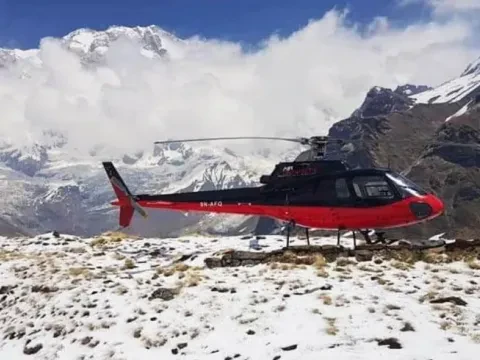
The Annapurna trekking region in Nepal is one of the most visited Himalayan destinations in the world, attracting thousands of trekkers every year. While the trails offer breathtaking views and cultural richness, they also present serious risks due to high altitude, remote terrain, and rapidly changing weather conditions. Real rescue operations
Emergency rescue operations at Makalu Base Camp are highly coordinated missions designed to respond to life-threatening situations in one of the world’s most remote high-altitude regions. Companies like Air Dynasty Heli play a critical role in providing rapid helicopter evacuation, often triggered by distress calls from climbers, trekking