
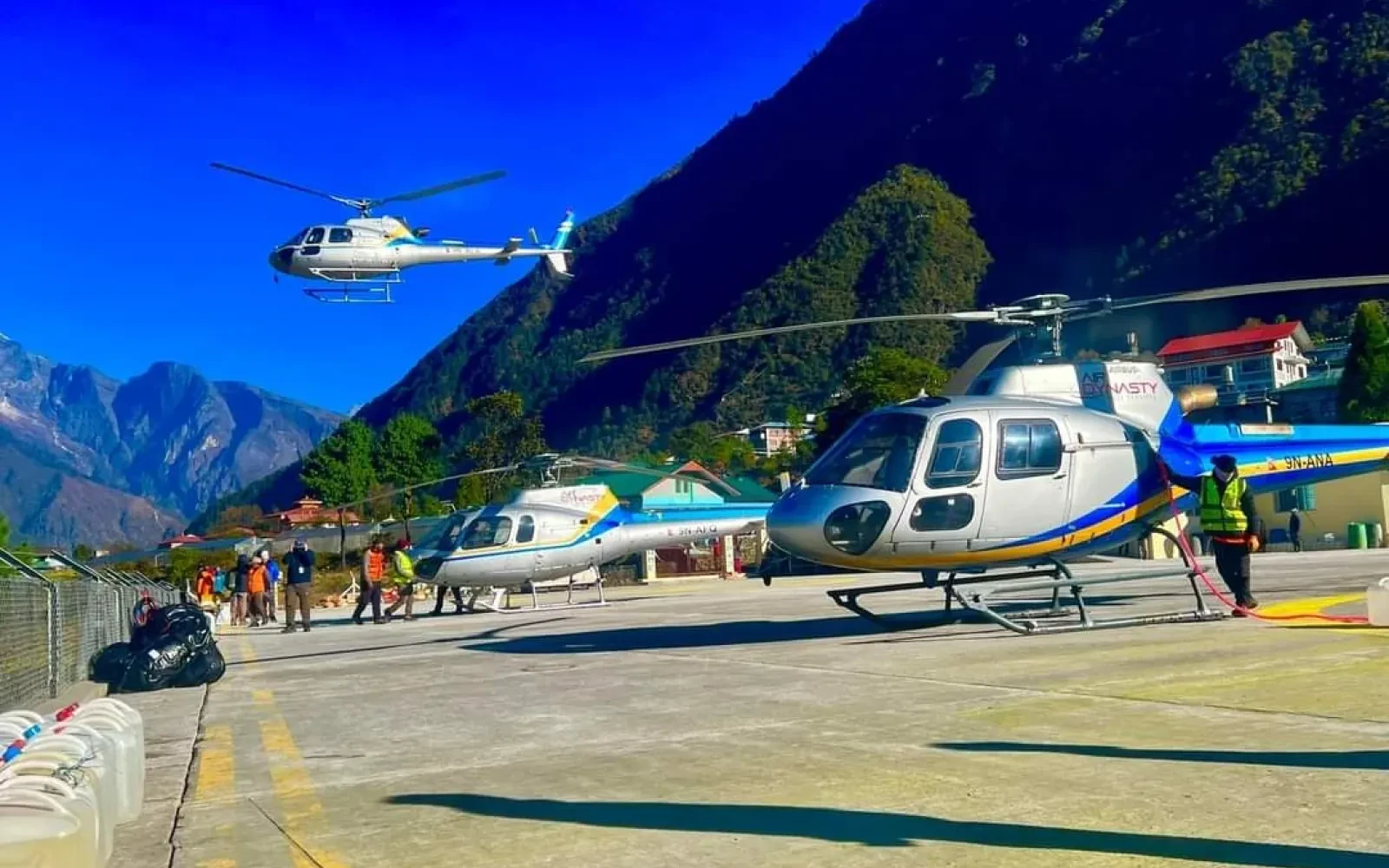
The Chhukung to Lukla helicopter transfer operated by Air Dynasty Heli is a short but highly scenic and logistically important flight in the Everest region. It connects the high-altitude settlement of Chhukung with Lukla, serving trekkers and climbers returning from Island Peak or Everest Base Camp routes. The journey is typically completed in 12–15 minutes, depending on weather and air traffic conditions.
This helicopter service is primarily used as a fast evacuation or return option for trekkers who want to avoid long multi-day descents. It also offers an unmatched aerial perspective of the Khumbu Himalayas, including glaciers, valleys, and iconic trekking villages along the way.
Key points:
The route is crucial because it connects one of the highest trekking points in the Everest region with the main gateway airport at Lukla. For many climbers descending from peaks like Island Peak, it eliminates days of strenuous downhill trekking.
It also plays a vital role in emergency evacuations and time-sensitive travel logistics. In a region where weather can change rapidly, helicopter transfers provide flexibility and safety for both trekkers and operators.
Key points:
The Khumbu region, home to settlements like Dingboche, Pheriche, Tengboche, and Namche Bazaar, is known for its extreme altitude and rugged terrain. Trekking routes are physically demanding and can take multiple days even for experienced hikers.
Weather unpredictability, thin air, and long descent trails make ground travel challenging. Fatigue, altitude sickness, and trail conditions often slow down return journeys significantly.
Key points:
This helicopter transfer is a scheduled or chartered flight that lifts passengers directly from Chhukung and lands at Lukla, bypassing traditional trekking routes entirely. It is operated by Air Dynasty Heli using high-altitude-capable helicopters.
The flight route typically passes over glaciers and valleys, offering views of major Himalayan landmarks and trekking corridors. It is carefully managed with strict weight limits and weather assessments due to the high-altitude environment.
Key points:
Choosing a helicopter significantly reduces travel time and physical strain, especially after long trekking or climbing expeditions. Instead of spending several days descending steep trails, passengers reach Lukla in minutes.
It is also a safer alternative for those dealing with fatigue, altitude sickness, or tight international travel schedules. The helicopter ensures a controlled, fast, and professionally managed descent from high altitude.
Key points:
The journey begins in the alpine terrain of Chhukung, where glaciers and rocky ridges dominate the landscape. As the helicopter ascends, passengers are immediately exposed to sweeping views of the Imja Valley and surrounding Himalayan peaks.
The flight continues over major landmarks such as Dingboche, Tengboche, and Namche Bazaar before descending toward Lukla and landing at Tenzing–Hillary Airport, one of the world’s most famous mountain airports.
Key points:
The Chhukung to Lukla helicopter transfer operated by Air Dynasty Heli covers a relatively short aerial distance, but the flight takes place in one of the world’s most extreme high-altitude environments. The straight-line distance between Chhukung and Lukla is only a few dozen kilometers, yet the terrain requires careful navigation over glaciers, ridges, and deep valleys.
The flight duration is typically 12–15 minutes, depending on wind conditions, visibility, and air traffic at Lukla’s airport. Chhukung sits at a very high elevation, while Lukla is comparatively lower, so the helicopter performs a controlled descent through the Khumbu valley system while maintaining safe clearance from surrounding peaks.
Key points:
Helicopter operations in the Everest region are highly seasonal. The most reliable months for flights are typically during spring (March–May) and autumn (September–November), when weather conditions are more stable and visibility is clearer across the Himalayas.
During these periods, Air Dynasty Heli can operate more consistently between Chhukung and Lukla, offering safer and smoother flights with fewer delays.
Key points:
Weather in the Khumbu region changes rapidly, often within minutes. Strong winds, cloud cover, and sudden snow can all impact helicopter operations between Chhukung and Lukla. Because of this, flights are always subject to final clearance before takeoff.
Air Dynasty Heli follows strict aviation safety protocols, and cancellations are common when visibility or wind conditions fall below safe limits. While this can cause delays, it is essential for passenger safety in high-altitude mountain flying.
Key points:
The cost of a helicopter transfer from Chhukung to Lukla depends on several factors, including group size, charter type, and seasonal demand. Flights operated by Air Dynasty Heli are usually shared among passengers to reduce individual cost, though private charters are also available.
Because of the high-altitude operations and limited aircraft capacity, pricing is generally higher than standard domestic flights. Costs also fluctuate based on fuel availability, weather risk, and logistical positioning of helicopters in the Everest region.
Key points:
Booking a helicopter transfer with Air Dynasty Heli typically involves advance reservation through trekking agencies, tour operators, or direct coordination in Kathmandu or Everest region support centers. Seats are limited, so early booking is strongly recommended during peak trekking seasons.
Passengers usually confirm travel dates, provide weight information for load balancing, and wait for final weather confirmation before departure. The operator ensures coordination between ground teams in Chhukung and landing arrangements at Lukla.
Key points:
Safety is the highest priority for helicopter operations in the Everest region. Air Dynasty Heli employs highly trained pilots experienced in high-altitude mountain flying, where thin air, sudden wind shifts, and narrow valleys present constant challenges.
Flights between Chhukung and Lukla follow strict aviation regulations, with continuous weather monitoring and altitude performance checks. Helicopters are specially maintained for Himalayan conditions to ensure maximum safety.
Key points:
Helicopter transfers operated by Air Dynasty Heli between Chhukung and Lukla have strict luggage restrictions due to weight sensitivity at high altitude. Typically, only a small duffel bag or daypack is allowed per passenger, with weight limits carefully managed for safety and balance.
Packing smart is essential because space is extremely limited, and every kilogram matters in Himalayan flying conditions. Essential items should be prioritized, while non-essentials can be left behind or sent via ground logistics when possible.
Key points:
Takeoff from Chhukung begins in a high-altitude, open valley where the helicopter quickly gains lift to clear surrounding ridges. The experience is smooth but powerful, with immediate views of glaciers and steep Himalayan terrain.
Landing at Tenzing–Hillary Airport is one of the most distinctive aviation experiences in the world. The short runway, sloped design, and mountain surroundings require precise piloting skills. Air Dynasty Heli pilots are trained specifically for these conditions.
Key points:
The journey begins with passenger coordination in Chhukung, where weather and weight checks are completed before boarding. Once confirmed, passengers are escorted to the helipad for final safety briefings.
After takeoff, the helicopter follows a scenic but controlled route through the Khumbu Valley, passing key settlements before descending into Lukla. Upon landing, passengers disembark and continue onward travel or airport connections.
Key points:
When flights are grounded due to weather, alternatives include trekking back through the Khumbu trail system or waiting for improved conditions. In some cases, helicopter operations by Air Dynasty Heli may resume later in the day if weather clears.
Trekking routes from Chhukung pass through villages like Dingboche and Namche Bazaar before reaching Lukla, though this requires several days of descent.
Key points:
Many travelers underestimate weather delays and overpack for helicopter flights. Since operations by Air Dynasty Heli are weight-sensitive, excess luggage can cause delays or repacking issues at Chhukung.
Another common mistake is not planning buffer days in Lukla, which can lead to missed international flights due to unpredictable Himalayan weather.
Key points:
The helicopter transfer between Chhukung and Lukla is frequently used by trekkers returning from high-altitude expeditions. Most questions focus on safety, cost, timing, and weather reliability.
Air Dynasty Heli ensures that passengers receive updated flight information before departure, including weather checks and operational guidance.
Key points:
For most trekkers and climbers, the Chhukung to Lukla helicopter transfer is absolutely worth it, especially after completing demanding routes like Island Peak or Everest Base Camp. It saves multiple days of trekking while offering a once-in-a-lifetime aerial view of the Himalayas.
Operated by Air Dynasty Heli, the service combines safety, speed, and convenience, making it one of the most efficient travel options in the Everest region.
Key points:
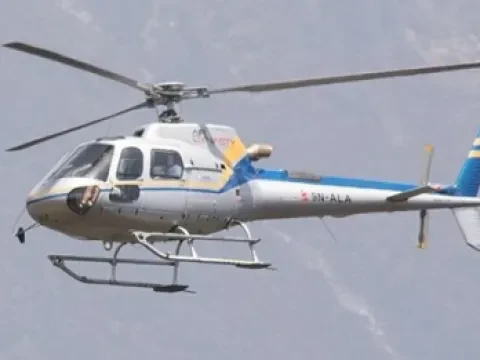
The Gokyo to Lukla helicopter journey with Air Dynasty Heli offers travelers an extraordinary opportunity to witness the grandeur of the Himalayas from a unique aerial perspective. This short yet breathtaking flight transforms the long, arduous trek back to Lukla into an unforgettable adventure, providing sweeping views of snow-capped
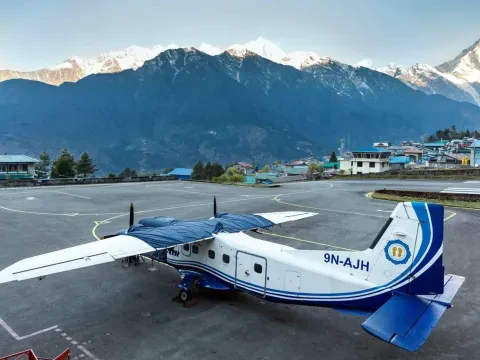
Reaching Lukla, the small mountain airstrip that serves as the main entry point to the Everest region, is one of the most important decisions for trekkers heading to Everest Base Camp. There are two primary ways to get there by air: a direct helicopter flight from Kathmandu or a fixed-wing aircraft flight from Ramechhap (Manthali Airport)
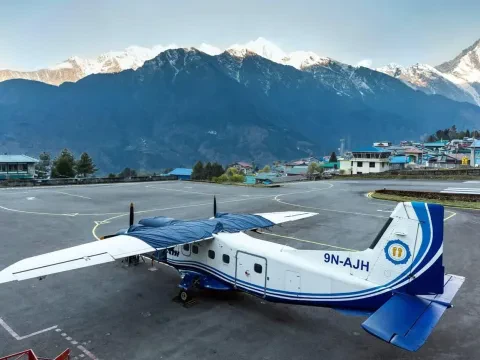
Yes, a helicopter flight between Syangboche Airport and Tenzing-Hillary Airport (Lukla) is not only possible but also commonly used in the Everest region. Due to the extreme terrain, unpredictable weather, and limited fixed-wing connectivity, helicopters operated by companies like Air Dynasty Heli are often the most reliable and flexible transport