
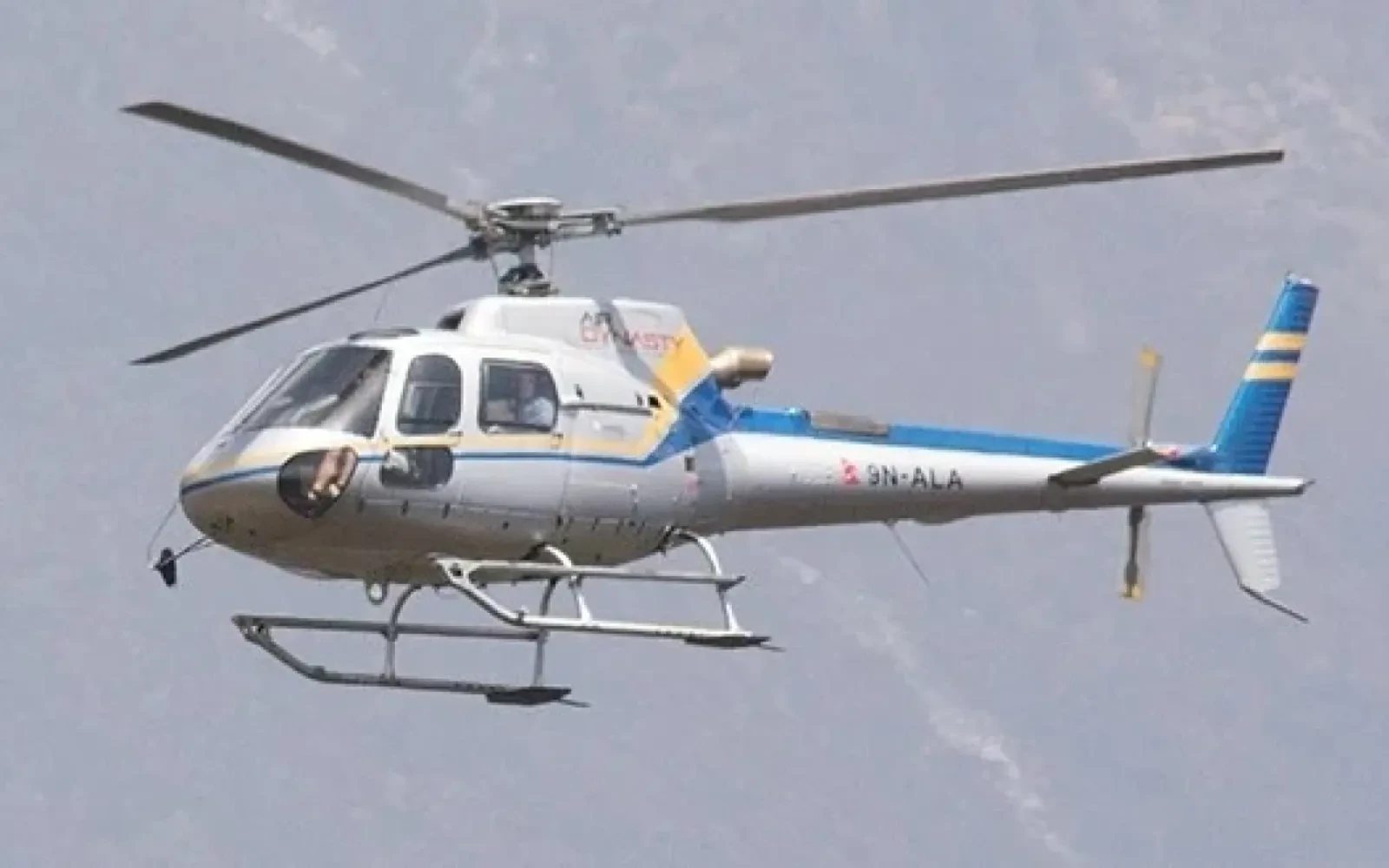
The Gokyo to Lukla helicopter journey with Air Dynasty Heli offers travelers an extraordinary opportunity to witness the grandeur of the Himalayas from a unique aerial perspective. This short yet breathtaking flight transforms the long, arduous trek back to Lukla into an unforgettable adventure, providing sweeping views of snow-capped peaks, turquoise glacial lakes, and traditional Sherpa villages that are otherwise accessible only after days of trekking. Ideal for both trekkers seeking convenience and photographers eager to capture the Himalayas’ dramatic landscapes, the experience combines speed, comfort, and unparalleled scenery.
Highlights of the Experience:
From the moment the helicopter lifts off from Gokyo Helipad, travelers are immersed in the majesty of the Himalayas. The turquoise waters of the Gokyo Lakes shimmer below, framed by rugged, snow-clad peaks. The aerial vantage point allows for unobstructed views of some of the world’s highest mountains, including Mount Everest, Lhotse, Cho Oyu, and Makalu. The flight also reveals hidden details often missed on trekking paths—glacial streams weaving through deep valleys, waterfalls cascading from sheer cliffs, and the patchwork of terraced fields in remote villages.
The sensation of flying over this pristine wilderness is both exhilarating and serene. The crisp mountain air, the sheer scale of the surrounding peaks, and the fleeting perspective of distant ridges and valleys create a photographer’s paradise. Unlike trekking, which can limit visibility to the nearby terrain, the helicopter ensures every traveler enjoys sweeping vistas from multiple angles, making it a truly unique way to experience the Everest region.
Choosing a helicopter flight over trekking offers several advantages. While trekking from Gokyo to Lukla requires multiple days of strenuous hiking, a helicopter reduces travel time to just 30–40 minutes. This is especially valuable for travelers with limited schedules or those who prefer a less physically demanding option. Safety is another important factor: high-altitude trekking carries risks such as altitude sickness and unpredictable weather, whereas a well-operated helicopter flight with Air Dynasty Heli minimizes exposure to these hazards while still allowing passengers to enjoy the same iconic views.
Additionally, the aerial journey provides unparalleled photographic opportunities. From above, travelers can capture the layout of the Gokyo Lakes, the scale of the surrounding peaks, and the intricate network of trails and villages below—scenes that are difficult to photograph from the ground. For those seeking a luxurious, time-efficient, and visually stunning alternative to trekking, the helicopter flight is unmatched.
Advantages of Flying vs. Trekking:
Booking a helicopter flight from Gokyo to Lukla with Air Dynasty Heli is straightforward and can be arranged through trekking agencies, travel operators, or directly with the company. Early reservations are strongly recommended, especially during peak trekking seasons (spring: March–May and autumn: September–November), as helicopters have limited seats and are in high demand. Passengers are usually required to provide trekking permits and identification in advance, ensuring smooth airport and security procedures. Many operators also offer optional transfers to Kathmandu from Lukla, making it convenient for travelers who want to continue their journey without returning on foot.
Preparation for the flight involves both practical packing and mental readiness for high-altitude aerial travel. Light clothing in layers is advisable, as temperatures can vary between sunny valleys and windy peaks. Sunglasses, sunscreen, and a hat help protect against the intense Himalayan sun. For photographers, extra camera batteries and memory cards are essential, as there will be limited opportunities to recharge or transfer data mid-flight. Passengers should also expect gentle turbulence, so a small backpack and secure seating are recommended.
Weather and seasonal considerations are critical. Helicopter flights are highly dependent on clear skies and visibility. Early morning departures often offer the most stable conditions, reducing cloud cover over the mountains and maximizing scenic views. Monsoon season (June–August) can bring sudden storms and reduced flight options, while winter offers crisp views but may involve cooler temperatures. Travelers should remain flexible, as flights may occasionally be delayed or rescheduled due to weather safety protocols.
Key Points for Booking and Preparation:
The journey begins with a thrilling takeoff from Gokyo Helipad, a small landing area perched near the stunning Gokyo Lakes. As the helicopter ascends, the first breathtaking views unfold: the turquoise waters of the Gokyo Lakes, framed by dramatic peaks, glint in the morning sunlight. Passengers can watch glacial rivers meander through valleys and observe traditional Sherpa villages clinging to terraced hillsides. The helicopter’s altitude allows for unobstructed views that trekking rarely provides, offering a sense of the Himalayas’ immense scale.
As the flight continues, the Ngozumpa Glacier, the largest glacier in Nepal, comes into view. Its icy expanse stretches across the valley, dotted with moraines and crevasses, creating a striking contrast against the rocky peaks. Beyond the glacier, the majestic Himalayan giants—Mount Everest, Lhotse, Cho Oyu, and Makalu—rise in their full glory. Snow-clad ridges, sharp spurs, and deep valleys form an awe-inspiring panorama. The pilot often circles key viewpoints for photography, giving passengers multiple angles for capturing this dramatic landscape.
As the helicopter approaches Lukla, the terrain becomes steeper and more rugged, with the iconic Tenzing-Hillary Airport coming into view. The final landing is smooth yet exhilarating, as the aircraft touches down on the short mountainside runway, famous for its steep drop at one end. This moment combines relief, excitement, and a deep appreciation of the journey just experienced. Passengers can then either continue trekking toward Namche Bazaar or transfer onward to Kathmandu.
Flight Highlights:
Capturing the majesty of the Himalayas from a helicopter requires a combination of seat selection, camera settings, and timing. For the best results, passengers should choose seats adjacent to the windows, ideally on the right-hand side when departing Gokyo, as this offers the clearest views of Everest and the Gokyo Lakes. Using a DSLR, mirrorless camera, or even a high-quality smartphone with a wide-angle lens ensures that both the towering peaks and sprawling valleys are captured.
Camera settings are crucial for sharp, vibrant images. A fast shutter speed (1/500s or faster) helps counteract minor helicopter movements and turbulence. Shooting in aperture priority mode (f/8–f/11) ensures a deep depth of field, keeping both near and distant features in focus. Polarizing filters reduce glare from snow and water surfaces, enhancing contrast and color saturation. Passengers should also prepare for varying light conditions: the bright sun at high altitude can create strong shadows, so adjusting exposure compensation may be necessary.
Composition tips include using natural lines, such as ridges, rivers, and glacier edges, to guide the viewer’s eye through the photograph. Capturing Sherpa villages or trekkers below adds scale and context to the immense landscapes. Additionally, taking multiple shots in bursts allows travelers to select the clearest images free of rotor blur. Finally, patience and observation pay off—the Himalayas reveal unexpected patterns of light and shadow as the helicopter moves along the route.
Aerial Photography Essentials:
Flying over the Himalayas with Air Dynasty Heli is not just a journey—it’s an emotional experience. As the helicopter ascends above Gokyo Lakes, the world below seems to shrink, and the immensity of the mountains becomes overwhelming. The turquoise lakes, glacial rivers, and jagged ridges evoke a sense of serenity and awe that is difficult to describe in words. Many travelers report a mix of exhilaration and humility, as the scale of the peaks—Everest, Lhotse, Cho Oyu, and Makalu—reminds them of nature’s grandeur and the limits of human endeavor.
Passengers often share personal moments of reflection during the flight. Some are awed into silence, staring at the landscape with wide-eyed wonder; others feel a rush of adrenaline as the helicopter maneuvers around peaks or hovers for photo opportunities. The contrast between the serene glacial lakes below and the dramatic cliffs above creates a sense of balance—an appreciation for both the power and beauty of the Himalayas. For trekkers who have spent days navigating rugged terrain, the helicopter offers a new perspective, allowing them to connect with the mountains in a completely different way.
Emotional Highlights of the Flight:
While trekking from Gokyo to Lukla is an unforgettable adventure in its own right, a helicopter flight offers a complementary perspective that enhances the overall experience. Trekking allows travelers to immerse themselves in the environment, experience Sherpa culture, and witness the gradual unfolding of landscapes over days. It is physically demanding and requires careful acclimatization to avoid altitude sickness. On the other hand, a helicopter ride condenses days of trekking into just 30–40 minutes, offering panoramic views that are impossible to fully appreciate on foot.
Each option has its advantages. Trekking provides a sense of achievement, deeper engagement with local villages, and firsthand observation of flora and fauna. Flying, however, prioritizes speed, safety, and breathtaking aerial photography opportunities. Many adventurers choose to combine both: trekking to Gokyo and exploring the lakes, then taking a helicopter to Lukla to save time and enjoy a dramatic aerial farewell. This approach allows travelers to enjoy both immersive ground experiences and the exhilaration of soaring above some of the world’s highest peaks.
Comparison Highlights:
Safety is a top priority for Air Dynasty Heli, and first-time helicopter travelers should be aware of key considerations. Flying at high altitudes involves some physiological adjustments, as oxygen levels are lower. Passengers should remain hydrated, move slowly when boarding or exiting the helicopter, and follow crew instructions at all times. Motion sickness can occur during turns or in turbulent conditions, so travelers prone to nausea may consider light snacks or anti-motion sickness medication before takeoff.
The helicopters are regularly maintained, and pilots are highly experienced in navigating the Himalayas’ challenging terrain and unpredictable weather. Pre-flight briefings cover seatbelt usage, emergency procedures, and safe handling of equipment. Weather can influence flight schedules, so flexibility is important—early morning flights are often preferred for calmer conditions and clearer visibility. Clothing in layers helps maintain comfort, while sunglasses and sun protection safeguard against intense high-altitude sunlight. By following these precautions, travelers can enjoy a thrilling yet safe Himalayan experience.
Safety Tips for First-Time Flyers:
The helicopter flight from Gokyo to Lukla with Air Dynasty Heli is more than transportation—it is a journey that leaves lasting memories. From the moment of takeoff to the breathtaking overflight of glaciers, lakes, and towering Himalayan peaks, every minute evokes awe, excitement, and reflection. Travelers often describe a renewed sense of wonder, as the flight provides perspectives impossible to achieve on foot. It’s a chance to see some of the world’s highest mountains in a single, continuous panorama, forging memories that last a lifetime.
For adventurers, photographers, or those seeking a safe and efficient way to explore the Everest region, this flight offers an unparalleled combination of convenience, scenery, and emotional impact. By integrating helicopter travel with trekking, travelers can enjoy both immersive cultural experiences and sweeping aerial views, maximizing the magic of the Himalayas. Ultimately, the Gokyo to Lukla helicopter experience is a reminder that the world’s most iconic landscapes are best appreciated from multiple perspectives—ground and sky alike.
Key Takeaways:
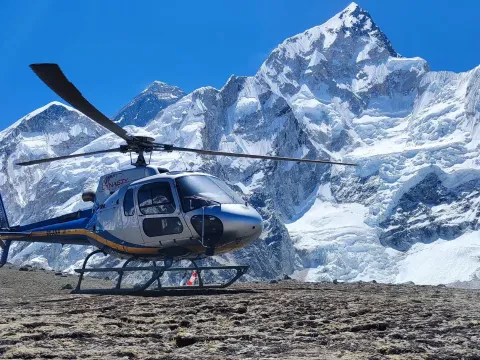
Air dynasty provided Gorakshep to Lukla helicopter flight in good weather condition, during the busy trekking season; we have almost daily pick up and drop service to Gorakshep from Lukla. Everest Base Camp trek is a dream holiday package to see Mount Everest close and experience the real environment of the world’s highest mountain area.
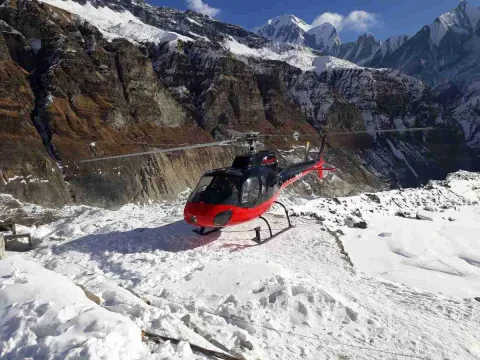
Book the Gorakshep to Kathmandu helicopter ticket at a low price, the best services provided by the air dynasty. We provided helicopter services is a great pick up and drop off all facility. The science helicopter ride provided incredible views of the Himalayas. Gorakshep to Kathmandu by helicopter is also the best idea if you want to
The Everest Base Camp with Everest View Hotel Helicopter Tour is a premium aerial adventure designed for travelers who want to experience the magnificence of the Himalayas in a single unforgettable day. Operated by Air Dynasty Heli, this tour offers a safe, comfortable, and time-efficient way to reach the heart of the Everest region