
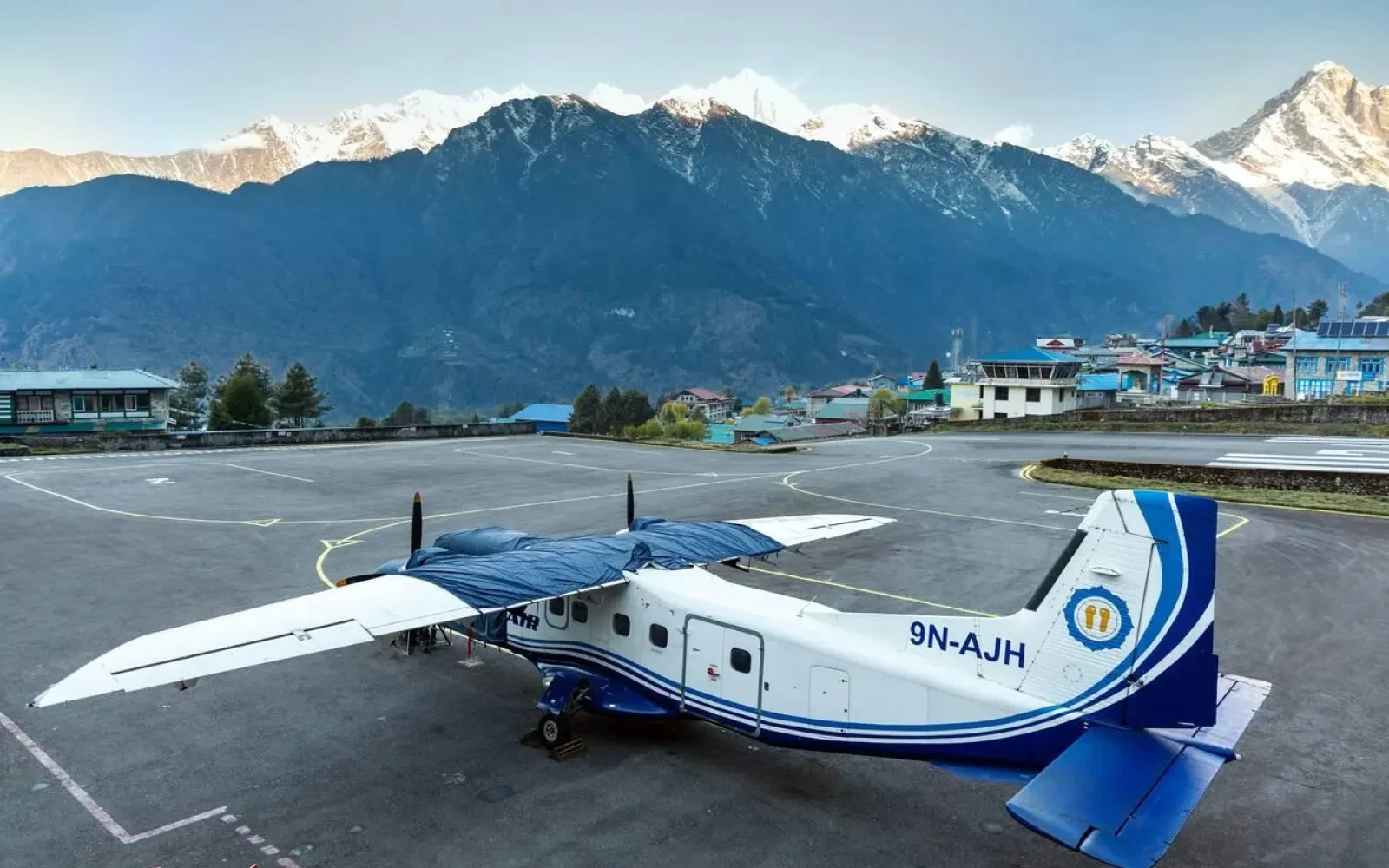
Reaching Lukla, the small mountain airstrip that serves as the main entry point to the Everest region, is one of the most important decisions for trekkers heading to Everest Base Camp. There are two primary ways to get there by air: a direct helicopter flight from Kathmandu or a fixed-wing aircraft flight from Ramechhap (Manthali Airport), followed by a road transfer from Kathmandu. Each option has different costs, convenience levels, and reliability depending on the weather and season.
A helicopter flight from Kathmandu is the most convenient and time-saving option, especially during peak trekking seasons when regular flights are delayed or diverted. Companies such as Air Dynasty Heli operate private and shared helicopter services that fly directly from Kathmandu to Lukla, bypassing the need for road travel. On the other hand, flights from Ramechhap are more common and economical, but require a 4–6 hour road journey from Kathmandu before taking a short 20–25 minute flight to Lukla.
Key points:
Lukla is famously known as the “Gateway to Everest” because nearly all trekking and expedition routes to the Everest region begin from this small mountain town. Officially called Tenzing-Hillary Airport, Lukla Airport sits at an altitude of about 2,860 meters and connects travelers directly to the Khumbu region, home of Mount Everest (Sagarmatha).
For trekkers, Lukla is not just a transit point—it is the starting line of a life-changing journey. From here, trails lead to iconic destinations like Namche Bazaar, Tengboche Monastery, and Everest Base Camp. Without Lukla access, reaching Everest on foot would take significantly longer and involve more complex overland routes.
Travel options to Lukla vary depending on budget, season, and weather conditions. The two main choices are:
Key points:
Lukla is located in northeastern Nepal within the Solukhumbu district, surrounded by steep Himalayan terrain. Its airport is perched on a mountainside, making it one of the most dramatic and weather-sensitive landing strips in the world. Because of this geography, direct access is highly dependent on clear visibility, wind conditions, and cloud cover.
Originally, most flights to Lukla operated directly from Kathmandu. However, due to increasing air traffic congestion and safety regulations, many fixed-wing flights are now diverted to Ramechhap (Manthali Airport) during peak trekking seasons (especially spring and autumn). This airport is located east of Kathmandu and serves as a secondary hub for Lukla-bound flights.
Helicopter services, such as those provided by Air Dynasty Heli, still operate directly from Kathmandu. These flights are more flexible and can sometimes operate when fixed-wing aircraft are grounded, though they are also subject to Himalayan weather conditions.
Key points:
The helicopter route from Kathmandu to Lukla is the most direct and premium way to reach the Everest region. Operators like Air Dynasty Heli provide chartered and shared helicopter services that fly straight from Kathmandu Valley to Lukla’s Tenzing-Hillary Airport. This route avoids the long road journey to Ramechhap and is especially useful when fixed-wing flights are delayed or canceled due to weather or air traffic congestion.
The flight itself is a breathtaking Himalayan experience. Helicopters typically fly at lower altitudes than fixed-wing aircraft, giving passengers close-up views of mountain ranges, deep valleys, and rural Himalayan landscapes. The journey is short but unforgettable, often used by trekkers who prefer comfort, time efficiency, or flexible travel schedules.
How the helicopter route works
The process is simple and direct. Travelers book a seat or private charter through companies like Air Dynasty Heli, arrive at Kathmandu airport’s heli terminal, and board a helicopter that flies directly to Lukla, weather permitting.
Duration and experience
The helicopter flight is significantly faster than other options, making it ideal for tight trekking schedules or emergency transfers.
Cost overview
This is the most expensive travel option to Lukla, but it offers unmatched convenience and flexibility.
Advantages of flying by helicopter
Helicopter travel is chosen for its convenience, speed, and reliability during peak trekking seasons.
Limitations and weather considerations
Despite its benefits, helicopter travel is still heavily dependent on Himalayan weather conditions.
The Ramechhap (Manthali Airport) route is the most commonly used method to reach Lukla during peak trekking seasons. Due to air traffic congestion at Kathmandu airport, many fixed-wing flights are redirected to Ramechhap, especially in spring and autumn. From there, small aircraft like Twin Otters operate short flights directly to Lukla.
This option is widely used by trekkers because it is more affordable and offers frequent flight schedules. However, it requires an additional road journey from Kathmandu, which adds time and travel complexity. Despite this, it remains the standard route for most trekking groups.
Why do flights operate from Ramechhap (instead of Kathmandu)
The shift to Ramechhap is mainly due to operational and safety reasons. Kathmandu airport becomes crowded during peak trekking seasons, making Lukla flights more reliable from a less congested airport.
How to reach Ramechhap from Kathmandu
Travelers must first take a road journey from Kathmandu to Ramechhap before boarding their flight to Lukla. This trip usually starts very early in the morning or late at night to match flight schedules.
Flight duration and schedule
Once at Ramechhap Airport, travelers take a short fixed-wing flight to Lukla. These flights are frequent during trekking seasons but are highly dependent on the weather.
Advantages of this option
Despite being less convenient than helicopters, the Ramechhap route is widely preferred for its affordability and availability.
Challenges and delays
The main drawback of this route is the additional travel time and unpredictability caused by weather and road conditions.
Choosing between a helicopter from Kathmandu and a fixed-wing flight from Ramechhap to Lukla mainly depends on budget, time, and travel flexibility. Both options ultimately connect trekkers to Lukla, but the experience, cost structure, and reliability vary significantly. Operators like Air Dynasty Heli provide direct helicopter access, while regular airlines operate small aircraft from Ramechhap during peak seasons.
Helicopters offer a premium, direct, and highly flexible experience, while flights from Ramechhap are more economical and widely used by trekking groups. Understanding the key differences helps travelers decide which route fits their Everest journey better.
Cost comparison
Cost is one of the biggest differences between the two options. Helicopter travel is significantly more expensive, while fixed-wing flights are budget-friendly.
Time efficiency
Time savings are a major advantage of helicopter flights. They eliminate the need for road travel and reduce overall journey time drastically.
Comfort and flexibility
Comfort levels differ greatly between the two options. Helicopters provide a more private and flexible experience, while flights from Ramechhap are group-based and scheduled.
Weather reliability
Both options depend on Himalayan weather, but helicopters can sometimes operate more flexibly when conditions are partially stable.
Selecting the right route to Lukla depends on your trekking style, budget, and available time. There is no single “best” option for everyone—each has its own advantages. For example, Air Dynasty Heli helicopter services are ideal for those prioritizing speed and comfort, while Ramechhap flights suit trekkers focused on affordability and group travel.
Understanding your priorities will help you choose the most practical and stress-free way to begin your Everest adventure.
Best choice for trekkers with limited time
If your trekking schedule is tight, the helicopter from Kathmandu is the most efficient option. It saves an entire half-day of travel and reduces the risk of missing connecting flights or trekking plans.
Best choice for budget travelers
For travelers aiming to minimize costs, the Ramechhap flight route is the most practical choice. It is widely used by trekkers and offers more affordable pricing, even with the added road journey.
Best choice during peak trekking seasons
During spring and autumn, flight congestion and weather delays are common. In such cases, helicopters often provide more flexibility, while Ramechhap flights remain the standard but can be heavily affected by delays.
Travel to Lukla is highly influenced by Himalayan weather patterns, which can change quickly and affect both helicopter and fixed-wing flights. The most stable travel windows are typically during spring (March–May) and autumn (September–November), when skies are clearer, and wind conditions are relatively predictable. During these months, both helicopter services like Air Dynasty Heli and Ramechhap flights operate more regularly, although delays can still occur.
In contrast, monsoon (June–August) brings heavy rain and cloud cover, while winter (December–February) brings cold temperatures and occasional snow, both of which can disrupt schedules. Even in peak seasons, sudden fog or strong winds around Lukla Airport can lead to delays or cancellations for hours or even days.
Best months to travel
The choice of season plays a major role in flight reliability and trekking experience.
Flight cancellations and delays
Both routes are vulnerable to weather disruptions, especially at Lukla, which is known for unpredictable conditions.
Helicopter flexibility in bad weather
Helicopters operated by companies like Air Dynasty Heli offer more flexibility compared to fixed-wing flights, but they are still not immune to weather limitations.
Planning is essential when traveling to Lukla, as both helicopter and flight options are highly weather-dependent. Whether you choose a helicopter from Kathmandu or a flight from Ramechhap, preparation helps reduce stress and avoid missed trekking schedules. Booking early through trusted operators like Air Dynasty Heli or reputable trekking agencies ensures better seat availability and pricing.
Since delays are common, experienced trekkers always include buffer days in their itinerary. Proper packing and documentation also play a key role in ensuring a smooth journey into the Everest region.
Booking advice
Early booking increases your chances of securing preferred flights or helicopter seats, especially during peak seasons.
Book 2–4 weeks in advance (minimum)
Buffer days planning
Adding extra days to your itinerary is crucial for handling weather delays or cancellations.
Packing essentials for flight/heli travel
Since both routes involve short but high-altitude flights, light and practical packing is important.
Reaching Lukla is the first major step in any Everest trekking adventure, and choosing between a helicopter from Kathmandu or a flight from Ramechhap depends on your priorities. Helicopter services like Air Dynasty Heli offer speed, comfort, and flexibility, while Ramechhap flights remain the most economical and widely used option for trekkers.
Both routes ultimately lead to the same destination, but the experience can be very different in terms of cost, time, and convenience. A well-planned decision ensures a smoother and more enjoyable start to your Everest journey.
Final recommendation summary
Importance of planning ahead
Preparation significantly reduces travel stress and improves the success rates of reaching Lukla on time.
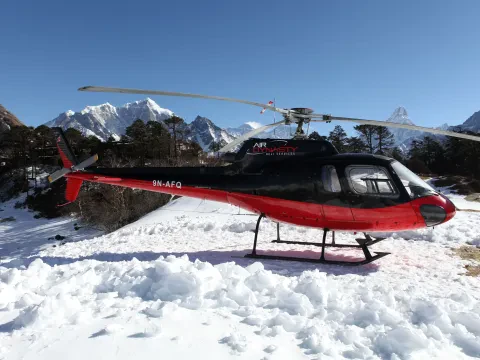
Here is the list of Helicopter flights operated directly from Kathmandu to popular spots of the Everest region. In both charter and sharing basis, you can travel to these spots directly from Kathmandu. To check your dates of availability please kindly email us at assistance@airdynastyheli.com
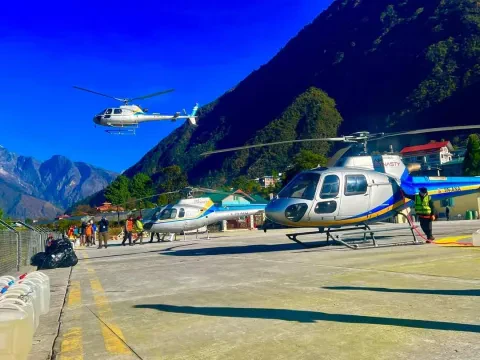
Air dynasty offer Kathmandu Lukla helicopter ticket on a private or sharing basis. The flight is an alternative way to fly from Kathmandu to Lukla airport for your trekking. Lukla is the gateway to the Everest region. The starting point of the most famous trekking in Gokyo Lake, kalapather trek, and Everest base camp.
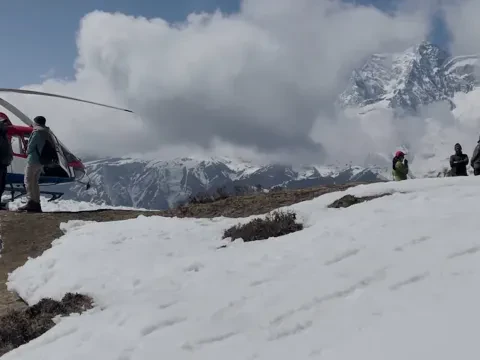
Every year, thousands of adventurers set off for the Himalayas with dreams of reaching Everest Base Camp, standing atop Kala Patthar, or exploring the remote valleys of the Annapurna region.But here's what most travel blogs won't tell you: approximately 10-15% of trekkers in the Everest region require some form of emergency assistance