
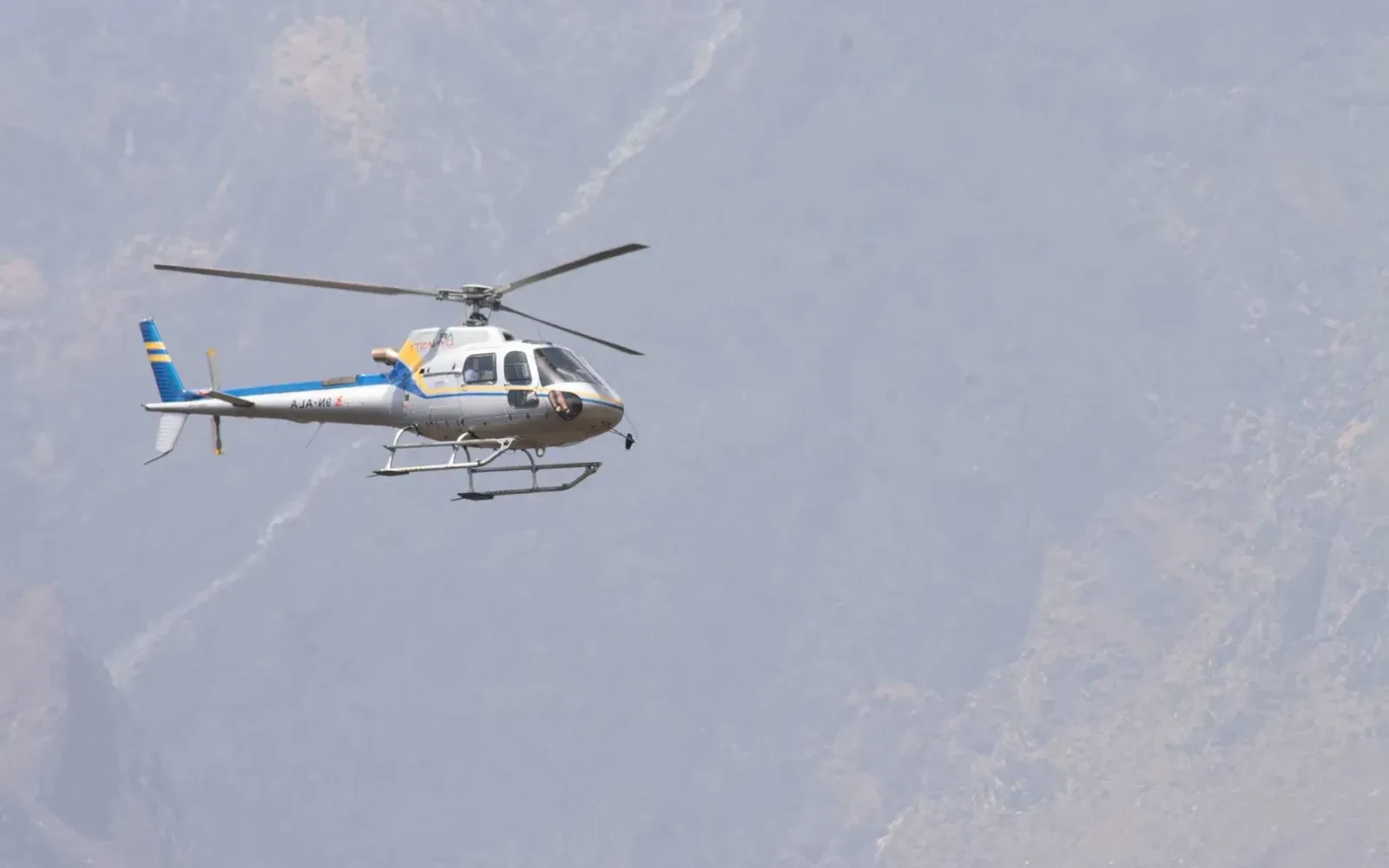
The Tengboche to Kathmandu helicopter route offers one of the most efficient and visually stunning ways to transition from the high Himalayas to Nepal’s capital. Operated by Air Dynasty Heli, this journey replaces several days of trekking with a single scenic flight, allowing travelers to experience the Everest region from an entirely different perspective. Starting near the sacred high-altitude settlement of Tengboche, the route descends gradually over dramatic alpine terrain, glacier-fed rivers, and deep Himalayan valleys before reaching the urban landscape of Kathmandu.
This aerial corridor is especially valued for its accessibility and comfort, making it ideal for trekkers completing the Everest Base Camp circuit or travelers seeking a luxury exit from the mountains. The flight is carefully planned around weather windows to ensure safety and visibility, as conditions in the Himalayas can change rapidly.
Key highlights:
A helicopter flight from Tengboche is more than transportation—it is a curated aerial experience over one of the world's most iconic mountain landscapes. With Air Dynasty Heli, passengers are introduced to high-altitude aviation through professional briefings and carefully managed operations tailored to Himalayan conditions.
As the helicopter lifts off near the Everest region, passengers are immediately surrounded by sweeping views of snow-covered ridges and remote monasteries. The journey provides a rare perspective of the Himalayas, where famous peaks like Ama Dablam and sections of the Everest massif dominate the skyline.
Key highlights:
Choosing a helicopter flight instead of trekking down offers significant advantages, particularly for travelers who want comfort, speed, and panoramic visibility. With Air Dynasty Heli, the journey becomes not just practical but also immersive, offering uninterrupted aerial views of the Himalayas without physical strain.
This option is especially useful after completing demanding treks in the Everest region, where fatigue and weather conditions can make traditional descents challenging. The helicopter route ensures a smooth, direct connection to Kathmandu while still preserving the adventure of Himalayan exploration.
Key benefits:
The flight path begins in the Tengboche area, a high-altitude cultural and spiritual hub in the Everest region. From here, the helicopter ascends and then gradually follows natural valley corridors, offering continuous views of glaciers, rivers, and rugged mountain terrain. Air Dynasty Heli ensures the route is adjusted based on visibility and wind conditions for optimal safety and sightseeing.
As the aircraft moves westward toward Kathmandu, the terrain shifts dramatically—from icy Himalayan peaks to rolling green hills and terraced farmland. This transition is one of the most striking aspects of the journey, highlighting Nepal’s incredible geographical diversity within a single flight.
Key route features:
Tengboche is one of the most important cultural and spiritual landmarks in the Everest region, best known for the iconic Tengboche Monastery. Surrounded by towering peaks and alpine forests, it serves as a resting and acclimatization point for trekkers heading toward Everest Base Camp. The atmosphere is defined by prayer flags, mountain silence, and panoramic Himalayan views.
For helicopter travelers with Air Dynasty Heli, Tengboche is more than just a departure point—it is the final glimpse of the deep Himalayan interior before returning to the lowlands. The area’s spiritual significance and natural beauty make the takeoff experience especially memorable.
Key highlights:
The helicopter journey from Tengboche to Kathmandu with Air Dynasty Heli is designed as a continuously scenic route, offering a layered visual experience of the Everest region. As the aircraft lifts off from the high-altitude terrain, passengers are immediately exposed to dramatic contrasts—snow-covered peaks on one side and deep river-cut valleys on the other. The flight path is not just a transfer but a moving panorama of the Himalayas.
One of the most remarkable aspects of this route is how quickly the landscape transforms. Within minutes, travelers move from isolated alpine environments to vast glacier systems and eventually to greener mid-hill regions. The changing scenery makes every moment of the flight visually distinct and memorable.
Key highlights:
Flying over the Khumbu Valley is often considered the most visually striking part of the journey. From above, trekkers’ routes, suspension bridges, and remote Sherpa settlements become visible, offering a rare understanding of the scale and remoteness of the region. With Air Dynasty Heli, this segment of the flight is carefully navigated to maximize visibility and comfort.
The valley itself stretches beneath towering Himalayan walls, carved over millennia by glaciers and rivers. From the helicopter, the terrain appears both rugged and delicate, with prayer-flag-lined ridges and winding trails connecting isolated villages that are otherwise days apart on foot.
Key highlights:
One of the most unforgettable parts of the helicopter flight is the close-up view of world-famous Himalayan peaks. With Air Dynasty Heli, passengers experience these mountains from angles that are impossible to see during trekking, often at eye level from the air when weather conditions are clear.
These peaks define the Everest region skyline and form a dramatic natural amphitheater around the flight path. Each mountain has its own distinct shape and character, making the aerial sequence feel like a moving gallery of the world’s highest summits.
Key highlights:
Notable Peaks Visible:
Weather plays a critical role in helicopter operations in the Everest region. Flights operated by Air Dynasty Heli are strictly dependent on clear visibility, stable wind patterns, and safe cloud ceilings. Conditions in the Himalayas can change rapidly, especially at high altitudes where wind currents and temperature shifts are common.
Because of these variables, flights are typically scheduled during early morning hours when skies are clearest. Pilots are highly trained in mountain aviation, ensuring that safety always takes priority over timing. Even small weather changes can affect routing or delay departures.
Key considerations:
The best time to experience the Tengboche to Kathmandu helicopter flight is during Nepal’s clear-weather seasons, when visibility over the Himalayas is at its peak. Air Dynasty Heli generally operates most consistently during these stable periods, ensuring safer and more visually rewarding flights.
During these months, the skies are typically clear, winds are calmer, and mountain views are unobstructed. This significantly enhances the experience, allowing passengers to fully appreciate the scale and beauty of the Everest region during the aerial journey.
Best seasons:
Key highlights:
A helicopter journey from Tengboche to Kathmandu with Air Dynasty Heli is designed to offer a balance of adventure and comfort, allowing passengers to experience the Himalayas without physical strain. The cabin is typically compact but well-structured for visibility, with large windows that provide uninterrupted panoramic views of the Everest region. From the moment of takeoff, the experience shifts from rugged mountain terrain to a smooth, controlled aerial glide above glaciers and valleys.
Inside the helicopter, passengers are briefed on seating arrangements, weight balance, and safety procedures before departure. The ride is generally smooth, though occasional turbulence may occur due to mountain wind patterns. Despite the high altitude environment, modern aircraft used by Air Dynasty Heli are built for stability and performance in extreme Himalayan conditions.
Key highlights:
Safety is the highest priority for all operations conducted by Air Dynasty Heli, especially in the unpredictable environment of the Himalayas. Each flight is carefully planned based on real-time weather updates, wind speed, and visibility conditions. Pilots are highly experienced in mountain aviation, ensuring safe navigation through narrow valleys and high-altitude corridors.
Altitude considerations are also critical, as the helicopter operates in regions where oxygen levels are significantly lower. While passengers remain inside a pressurized or well-managed cabin environment, pilots monitor altitude changes carefully to ensure smooth transitions between high and low elevation zones.
Key safety measures:
The helicopter flight from Tengboche to Kathmandu offers some of the most photogenic landscapes in the world, making it a dream experience for photography enthusiasts. With Air Dynasty Heli, passengers are encouraged to make full use of window views, especially during clear weather when peaks like Everest and Ama Dablam are visible in sharp detail.
To capture the best shots, timing, lighting, and positioning are essential. Early morning flights often provide the soft golden light that enhances snow-covered peaks. Keeping the camera steady against the window frame and avoiding reflections can significantly improve image quality.
Key photography tips:
Helicopter tours in the Everest region, including the Tengboche to Kathmandu route operated by Air Dynasty Heli, are premium experiences due to the complexity of high-altitude aviation. Pricing typically reflects factors such as flight duration, route flexibility, group sharing options, and seasonal demand. Private charters are generally more expensive but offer greater flexibility and exclusivity.
Booking is usually done in advance, especially during peak trekking seasons when demand is high. Flights may be shared among passengers to reduce individual costs, or booked as private tours for personalized experiences. Weather conditions can also affect scheduling, so flexibility is often required.
Key booking details:
Helicopter tourism in the Everest region must balance accessibility with environmental responsibility. Operators like Air Dynasty Heli follow regulated flight paths and altitude restrictions to minimize disturbance to wildlife and fragile alpine ecosystems. The goal is to provide access to remote regions while reducing the environmental footprint as much as possible.
Sustainable aviation practices are increasingly emphasized, including efficient flight planning, reduced unnecessary hovering, and adherence to conservation guidelines. Visitors are also encouraged to respect the natural environment and cultural heritage of the Everest region during their journey.
Key environmental considerations:
The Tengboche to Kathmandu helicopter journey with Air Dynasty Heli represents one of the most extraordinary ways to experience the Everest region. It combines luxury, efficiency, and breathtaking natural beauty into a single unforgettable flight. From the spiritual heights of Tengboche to the bustling Kathmandu Valley, the journey showcases Nepal’s dramatic geographical diversity in under an hour.
For many travelers, this flight becomes a highlight of their entire Himalayan adventure. It offers not only convenience after trekking but also a unique aerial perspective of the world’s tallest mountains, making it a true bucket-list experience.
Final highlights:
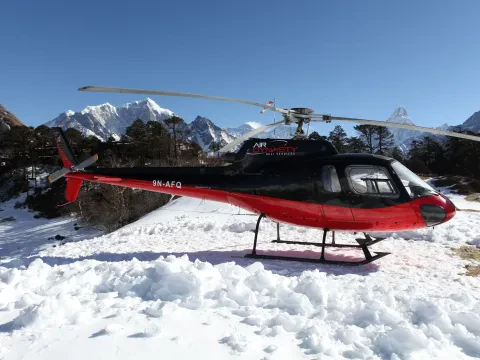
Enjoying breakfast at high altitudes, with the world’s tallest peaks as your backdrop, is an experience few can claim. The helicopter tour offered by Air Dynasty Heli elevates this adventure, transporting guests from the bustling streets of Kathmandu to the serene heights of the Everest region in just a few hours. This journey combines the thrill
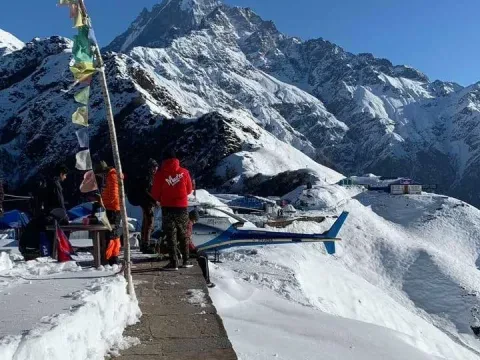
Everest Base Camp Helicopter Landing Trips offer one of the fastest and most scenic ways to experience the Himalayas without the days of trekking traditionally required. These tours are designed for travelers who want close-up views of the world’s highest peaks, including Mount Everest, while enjoying a luxury aerial experience with strategic
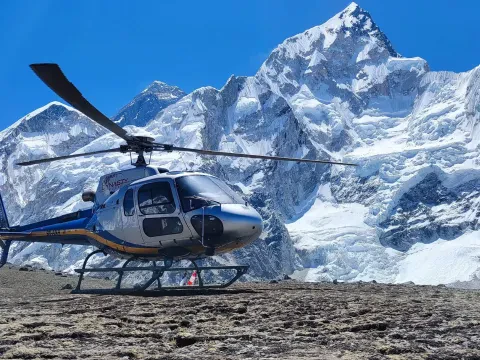
The Everest Helicopter Tour in Nepal is one of the most luxurious and breathtaking ways to experience the grandeur of the Himalayas within a single day. Organized by Air Dynasty Heli, this scenic aerial adventure takes travelers deep into the Everest region without the physical demands of trekking. From Kathmandu to Lukla, Kala Patthar,