
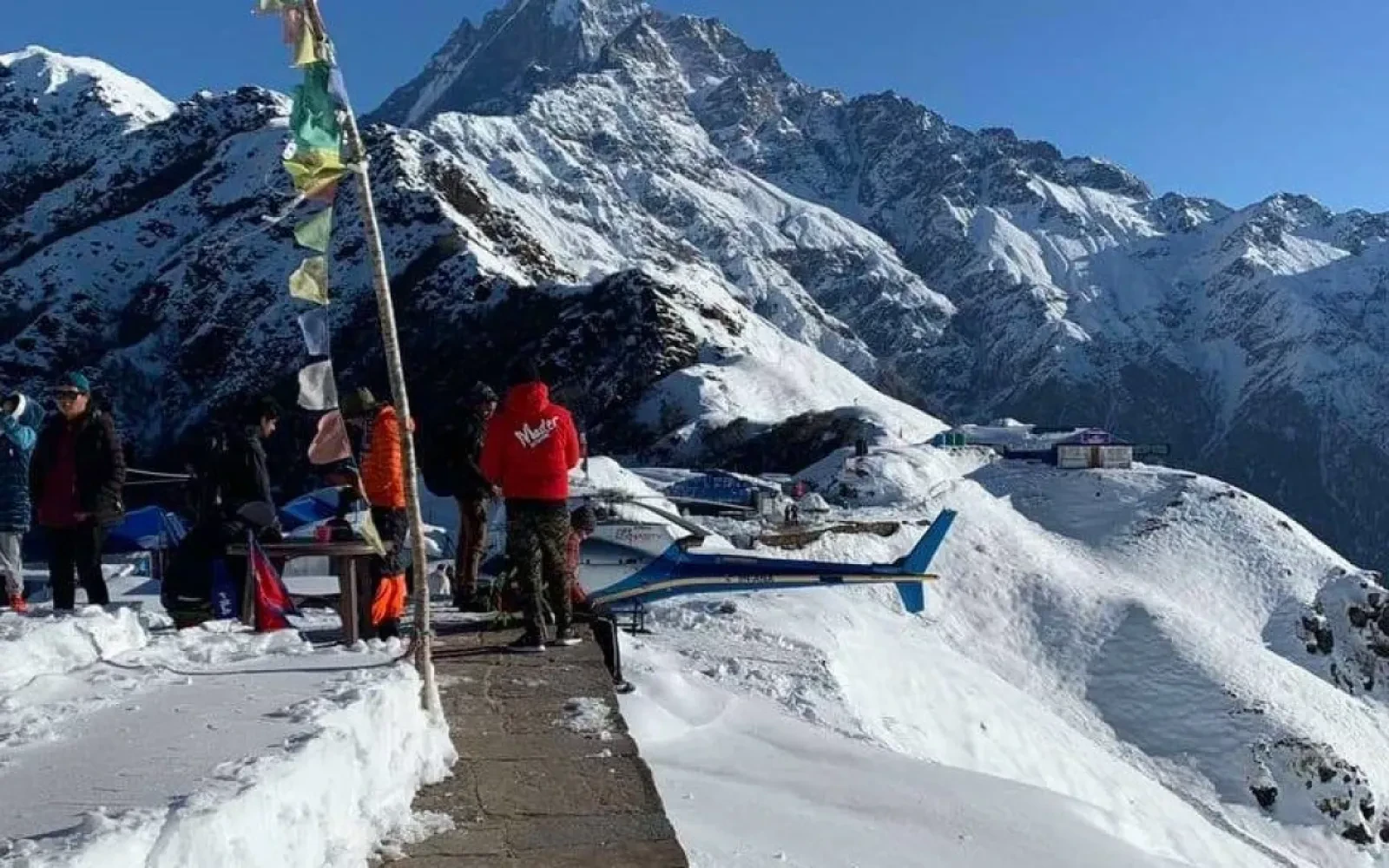
Everest Base Camp Helicopter Landing Trips offer one of the fastest and most scenic ways to experience the Himalayas without the days of trekking traditionally required. These tours are designed for travelers who want close-up views of the world’s highest peaks, including Mount Everest, while enjoying a luxury aerial experience with strategic landings at key viewpoints.
Operated by companies like Air Dynasty Heli, these flights typically depart early in the morning from Tribhuvan International Airport. The journey includes multiple stops such as Lukla, Kala Patthar, and Syangboche before returning to Kathmandu, offering a complete Everest experience in a single day.
Key highlights:
In recent years, Everest Base Camp helicopter tours have become one of Nepal’s most in-demand luxury travel experiences. Instead of spending 12–14 days trekking through the rugged trails of the Khumbu region, travelers can now reach the same iconic viewpoints in just a few hours while still enjoying the full Himalayan spectacle.
This shift is driven by time constraints, physical accessibility, and the growing demand for premium adventure tourism. Helicopter operators like Air Dynasty Heli have refined these journeys to balance safety, comfort, and unforgettable scenery, making Everest accessible to a much wider range of travelers.
Why these tours are rising in popularity:
The experience is not just about convenience—it is about seeing the Himalayas from a perspective that even trekkers rarely get: above the clouds, gliding over glaciers and peaks in a single continuous panorama.
An Everest Base Camp Helicopter Landing Trip is a guided aerial journey that takes travelers deep into the Himalayas, with controlled landings at high-altitude locations for sightseeing, photography, and short exploration. While the term often includes “Everest Base Camp,” most landings actually occur at nearby viewpoints like Kala Patthar due to safety and terrain conditions.
During the flight, helicopters typically make several stops: Lukla for refueling, Kala Patthar for Everest views, and Syangboche for breakfast at the famous Everest View Hotel. Each stop is carefully timed to manage altitude exposure while maximizing sightseeing opportunities.
How the trip works:
Important things to understand:
These trips are carefully designed to balance adventure with safety, ensuring travelers can experience the highest mountains on Earth without prolonged exposure to extreme altitude.
The Everest helicopter journey takes place in the legendary Khumbu region of Nepal, a dramatic landscape of towering peaks, deep valleys, glaciers, and traditional Sherpa villages. This region is home to the world’s highest mountain, Mount Everest, and is considered one of the most breathtaking environments on Earth.
Starting from Kathmandu, helicopters fly eastward toward Lukla and gradually enter the high-altitude terrain of the Himalayas. The landscape transforms from green hills and terraced farmland into icy ridges, glacier fields, and snow-covered summits as you approach Everest Base Camp and surrounding viewpoints.
Major locations covered in the flight:
Landscape features you’ll witness:
This region is not just visually stunning—it is culturally rich and spiritually significant. The combination of natural grandeur and Sherpa heritage makes the helicopter journey both a scenic flight and a cultural experience, all within a single morning adventure operated by Air Dynasty Heli.
The Everest Base Camp Helicopter journey begins in the bustling capital city of Nepal, where travelers depart early morning from Tribhuvan International Airport. From here, the helicopter gradually transitions from urban surroundings into the rolling green hills of the mid-hills region, following river valleys and terraced farmland before entering the high Himalayas. This gradual ascent is essential for both safety and acclimatization of the aircraft's performance at increasing altitude.
As the flight continues, the terrain becomes more dramatic and rugged, eventually revealing the snow-capped giants of the Khumbu region. Operated by experienced teams such as Air Dynasty Heli, the route is carefully planned based on weather, wind conditions, and visibility to ensure passengers get maximum mountain views while maintaining safety standards throughout the journey.
Route highlights:
One of the most exciting aspects of the Everest helicopter tour is the carefully selected landing points that allow passengers to step into the heart of the Himalayas. These stops are not random; they are chosen based on altitude safety limits, terrain suitability, and weather conditions. Each landing provides a unique perspective of the Everest region and its dramatic landscapes.
The most iconic stops include Kala Patthar, which offers the closest panoramic view of Mount Everest, and Syangboche, where travelers often enjoy breakfast at the famous Everest View Hotel. Lukla serves as an operational stop for refueling, while some flights may offer aerial views of Everest Base Camp itself, depending on conditions.
Main landing points:
These stops are short in duration, usually 10–20 minutes, due to high altitude safety rules. Operators like Air Dynasty Heli strictly monitor oxygen levels and weather conditions to ensure passenger safety during each landing.
The aerial views during the Everest helicopter tour are among the most dramatic landscapes on Earth. As the helicopter climbs beyond the mid-hills, passengers witness an extraordinary transformation—from lush green valleys to frozen glaciers and towering Himalayan peaks. The highlight is, of course, the first sight of Mount Everest rising above the surrounding ridgelines.
Flying with Air Dynasty Heli, travelers experience a constantly changing panorama: winding rivers carving deep valleys, isolated Sherpa villages perched on mountain slopes, and massive ice formations stretching across the Khumbu region. The proximity to these natural features makes the flight feel immersive and surreal.
What you’ll typically see:
The visual experience is enhanced by changing light conditions in the early morning, when the mountains are often clearer and less affected by wind turbulence or cloud cover.
Timing plays a crucial role in the success of an Everest helicopter tour. The best seasons are typically spring and autumn, when weather conditions are more stable, skies are clearer, and mountain visibility is at its peak. Flights are usually scheduled early in the morning to avoid afternoon winds and cloud buildup.
Operators such as Air Dynasty Heli closely monitor seasonal patterns to ensure safe operations. While flights are available year-round, visibility and landing success rates vary significantly depending on the season.
Best seasons for helicopter tours:
Key timing tips:
Choosing the right season ensures you get the clearest possible views of Everest and the surrounding Himalayan range, maximizing the experience of this once-in-a-lifetime journey with Air Dynasty Heli.
The cost of an Everest Base Camp Helicopter Landing Trip varies depending on whether you choose a group sharing seat or a private charter. Group-sharing flights are the most popular option, where passengers share the helicopter with others to reduce the overall price. Private charters, on the other hand, offer full flexibility, exclusive use of the aircraft, and a more personalized experience—ideal for families or luxury travelers.
Operators like Air Dynasty Heli typically price these tours based on fuel cost, landing permissions, weather dependency, and aircraft availability. Because flights operate in high-altitude, low-density environments, operational costs are naturally higher than standard sightseeing tours.
Cost breakdown overview:
Key pricing factors:
Safety is the highest priority on Everest helicopter tours, especially due to the extreme altitude of landing zones like Kala Patthar. Helicopters operated by companies such as Air Dynasty Heli are equipped with oxygen systems, experienced Himalayan pilots, and strict weight and altitude regulations to ensure safe operations in challenging conditions.
Altitude sickness is a real concern, even for short stays at high elevations. Although passengers only remain on the ground for a limited time, oxygen levels at over 5,000 meters are significantly lower than at sea level, so caution and monitoring are essential throughout the experience.
Safety measures include:
Health considerations:
Landing experiences during the Everest helicopter tour are short but incredibly intense and memorable. At high-altitude points such as Kala Patthar or Syangboche, passengers typically spend only 10 to 20 minutes on the ground due to altitude safety restrictions and oxygen limitations.
With guidance from Air Dynasty Heli, passengers are quickly briefed upon landing and allowed to explore designated safe areas for photography and sightseeing. The focus is on capturing the moment rather than prolonged exploration.
What happens during landing:
Facilities available:
Even though the Everest helicopter tour is short compared to trekking, the extreme altitude and cold temperatures mean proper clothing and preparation are still essential. Temperatures at landing sites like Kala Patthar can be freezing even in peak travel seasons.
Travelers flying with Air Dynasty Heli are advised to dress in layers and carry essential cold-weather gear to ensure comfort during brief landings and photo stops.
Essential clothing and gear:
Important items to carry:
Optional but useful:
Proper preparation ensures that even a short landing experience in the Everest region becomes comfortable, safe, and fully enjoyable, allowing travelers to focus on the breathtaking scenery delivered by Air Dynasty Heli.
First-time travelers on an Everest Base Camp Helicopter Landing Trip often underestimate how quickly conditions change in the Himalayas. Even though the journey is short, it involves high altitude, cold temperatures, and strict timing. Preparing mentally and physically for a fast-paced but visually intense experience is key to fully enjoying the flight operated by Air Dynasty Heli.
Another important aspect is flexibility. Weather conditions in the Everest region can change within minutes, which may lead to delays, rerouting, or rescheduling. First-time visitors who understand this unpredictability tend to have a smoother and more enjoyable experience.
Practical tips for first-time travelers:
Helpful reminders:
There are several misconceptions about Everest helicopter tours, especially among first-time travelers. One common myth is that helicopter tours are “dangerous” due to high altitude flying. In reality, operators like Air Dynasty Heli follow strict international aviation safety standards and use experienced pilots trained specifically for Himalayan conditions.
Another widespread misunderstanding is that these tours are simply a “shortcut” version of trekking. While they do provide access to the Everest region faster, they offer a completely different perspective—focusing on aerial views, glacier systems, and panoramic landscapes that trekkers cannot see in a single journey.
Common myths explained:
Key realities:
From a traveler’s point of view, the Everest Base Camp Helicopter Landing Trip is often considered one of the most rewarding travel experiences in the world. While it is not a budget activity, the emotional and visual impact of seeing Mount Everest up close within a few hours makes it highly valuable for many visitors.
With operators such as Air Dynasty Heli, travelers get a rare opportunity to witness the Himalayas in a way that combines comfort, speed, and breathtaking scenery. For those unable to complete a multi-day trek, this becomes the closest possible way to experience Everest.
Why travelers say it is worth it:
Balanced considerations:
Despite these trade-offs, most travelers describe the emotional moment of seeing Mount Everest from Kala Patthar as unforgettable and deeply moving.
The Everest Base Camp Helicopter Landing Trip represents one of the most efficient and visually powerful ways to experience the Himalayas. In just a few hours, travelers move from the busy city of Kathmandu to the roof of the world, witnessing glaciers, peaks, and valleys that define Nepal’s natural beauty.
For many, flying with Air Dynasty Heli is not just a tour—it is a life milestone. The combination of high-altitude landings, panoramic flights, and close-up views of Mount Everest creates a journey that is both thrilling and emotionally unforgettable.
Final highlights:
Why it stands out globally:
In the end, this journey is not just about reaching Everest—it is about seeing the Himalayas from a perspective few people on Earth ever experience, making it one of Nepal’s most iconic and unforgettable adventures.
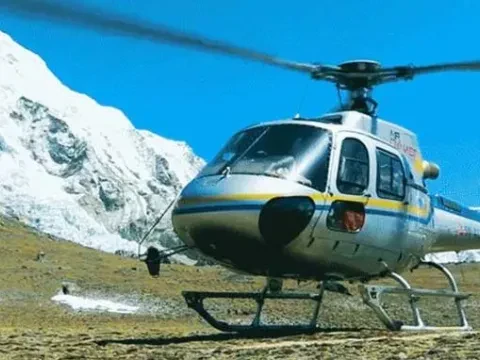
Yes, it is absolutely possible to take a helicopter ride in Nepal in May 2026. In fact, May is considered one of the peak adventure travel months in Nepal, especially for mountain flights and heli tours to Everest, Annapurna, Langtang, and other Himalayan regions. Helicopter services like Air Dynasty Heli operate regular flights during this month
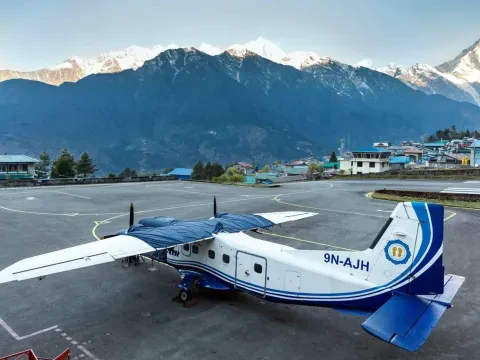
Reaching Lukla, the small mountain airstrip that serves as the main entry point to the Everest region, is one of the most important decisions for trekkers heading to Everest Base Camp. There are two primary ways to get there by air: a direct helicopter flight from Kathmandu or a fixed-wing aircraft flight from Ramechhap (Manthali Airport)
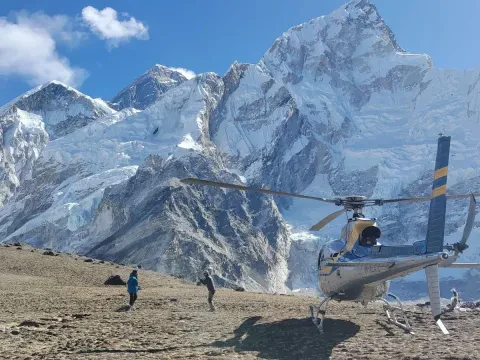
Luxury adventure in Nepal has evolved beyond trekking and traditional tours into highly personalized aerial experiences. Private helicopter flights offer an exclusive way to explore the Himalayas, combining comfort, speed, and breathtaking scenery. With companies like Air Dynasty Heli, travelers can access remote valleys, towering peaks, and