
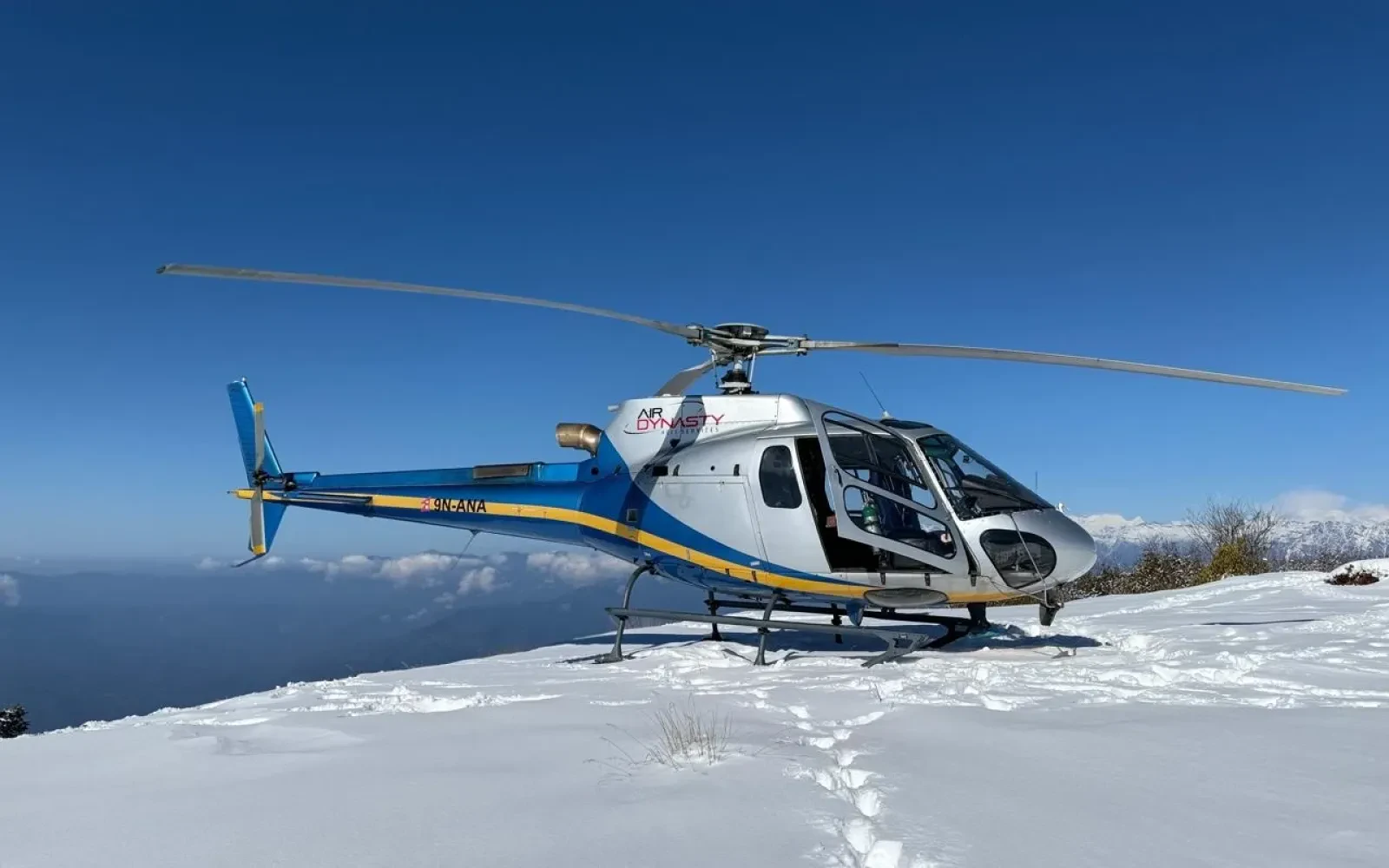
This helicopter journey offers an unparalleled way to experience one of the most sacred alpine lakes in the Himalayas. Gosaikunda, known for its pristine turquoise waters and stunning mountainous backdrop, is accessible via a scenic aerial route that provides sweeping panoramas of Nepal’s central Himalayas. Traveling by helicopter allows you to bypass long treks, offering both convenience and the thrill of flight above dramatic landscapes.
An Aerial Introduction to Gosaikunda
Flying over the Kathmandu Valley and the surrounding hills, the helicopter journey provides a bird’s-eye view of rural life in central Nepal. From terraced farmlands and dense forests to scattered villages, every glimpse from above is a reminder of the harmony between human settlement and natural beauty. As you ascend, the grandeur of the Himalayas becomes increasingly apparent, culminating in the serene sight of Gosaikunda Lake nestled among snow-capped peaks.
Why Gosaikunda Deserves a Helicopter Journey
Gosaikunda is revered not only for its natural beauty but also for its spiritual significance. The helicopter route ensures travelers experience the lake in comfort while soaking in the sweeping vistas of the nearby Langtang and Ganesh Himal regions. The aerial perspective allows for photography of landscapes that are otherwise difficult to access, combining adventure, culture, and reflection in one unforgettable half-day journey.
Key Points:
The Sacred Lake: Legends and Lore of Gosaikunda
Gosaikunda Lake has been a place of pilgrimage for centuries, shrouded in legends and mystical stories. According to tradition, the lake was created by Lord Shiva, who struck the ground with his trident to obtain water during a period of severe austerity. Its turquoise waters are believed to have healing powers, and many pilgrims make the journey to bathe in the sacred lake, particularly during the full moon festivals of August and September.
Gosaikunda in Hindu and Buddhist Traditions
The lake holds dual importance in both Hinduism and Buddhism. Hindus regard it as a sacred place for purification, while Buddhists associate it with meditation and spiritual retreat. Pilgrims often circle the lake while chanting prayers, creating a serene spiritual atmosphere. The combination of natural tranquility and religious reverence makes Gosaikunda a unique destination that bridges nature and faith.
Pilgrimage Pathways: History of Devotion and Festivals
Historically, reaching Gosaikunda required days of trekking along steep mountain trails. The lake has long been central to religious festivals, particularly the Janai Purnima festival, when thousands of devotees gather to honor the sacred waters. Today, the helicopter journey provides a faster alternative while still preserving the sense of pilgrimage, allowing travelers to witness and engage with these traditions even on a short visit.
Key Points:
When to Go: Seasonal Insights for Aerial Views
Choosing the right season is crucial for maximizing the visual impact of your helicopter journey. The most popular time to fly is during autumn (September to November) and spring (March to May), when the skies are generally clear, and the weather is stable. These months offer crisp air, vivid landscapes, and unobstructed views of snow-capped peaks and turquoise lakes. Winter can also provide clear skies, but temperatures are colder, and higher altitudes may have more snow. Monsoon season (June to August) is less ideal due to frequent clouds and rain, which can obscure views and create flight delays.
Planning your trip around these optimal periods ensures not only spectacular scenery but also smoother flight conditions. Early morning flights often offer the clearest visibility and the soft golden light ideal for photography, while afternoon flights may present dramatic cloud formations over the mountains. Timing your helicopter journey carefully enhances both safety and the overall visual experience.
Key Points:
Choosing the Right Helicopter Tour: Safety and Comfort Tips
Selecting a reputable helicopter tour provider ensures a safe and comfortable experience. Look for companies with experienced pilots, well-maintained aircraft, and clear safety procedures. Pre-flight briefings, seat belts, and helmets are standard safety measures. Comfort is also important: helicopters with large windows or panoramic views allow everyone onboard to fully enjoy the scenery.
It is advisable to check the tour duration, route, and inclusions, such as meals or short landing stops for photos. Passengers should also dress in layers, wear sturdy shoes, and carry minimal luggage to ensure comfort during the flight. These small preparations make the journey more enjoyable and stress-free.
Key Points:
Permits, Regulations, and Local Guidelines
Flying to high-altitude regions often requires certain permits and adherence to local aviation regulations. Most domestic helicopter flights in Nepal are managed through coordinated air traffic controls to ensure safety. Tour operators typically handle all necessary permits and approvals, including landing permissions near high-altitude lakes and valleys.
Passengers should also respect local guidelines, such as staying on marked paths when landing and minimizing environmental impact. Awareness of altitude limitations, wildlife zones, and cultural sensitivities ensures a responsible and ethical travel experience.
Key Points:
Takeoff Tales: From Kathmandu to the Clouds
The adventure starts with a smooth transfer to the airport and an exhilarating takeoff from Kathmandu. As the helicopter lifts off, the city gradually disappears below, replaced by lush green hills, terraced fields, and winding rivers. This initial ascent provides a dramatic perspective of the Kathmandu Valley, revealing the scale of Nepal’s mountainous terrain in a way that is impossible from the ground.
Flying above the forests and villages, passengers experience the thrill of weightlessness combined with stunning aerial vistas. Each moment of ascent builds anticipation as the Himalayan peaks emerge, creating a sense of awe and excitement before reaching the sacred lake.
Key Points:
The Himalayan Panorama: Peaks, Valleys, and Beyond
The route to Gosaikunda provides uninterrupted views of some of the Himalayas’ most iconic peaks, valleys, and ridgelines. Snow-capped summits, deep river gorges, and alpine meadows pass beneath, creating a constantly changing landscape. The Langtang, Ganesh Himal, and surrounding ranges dominate the skyline, offering incredible photo opportunities from multiple angles.
Flying above these landscapes also allows for glimpses of wildlife habitats, including areas where red pandas, musk deer, and other high-altitude species are found. Observing these ecosystems from above provides a rare appreciation of their scale and fragility, adding an ecological dimension to the journey.
Key Points:
Capturing Gosaikunda from Above: Photography Tips
Aerial photography presents unique challenges and opportunities. To capture the lake and surrounding landscapes, passengers should use fast shutter speeds to compensate for helicopter movement and avoid window glare by pressing the camera lens close to the glass. Wide-angle lenses are ideal for encompassing the vast valleys and mountain peaks in a single frame.
Lighting conditions also matter: early morning flights provide softer, warmer light, while midday light can create stark contrasts between snow and shadows. Passengers should plan shots strategically, focusing on the lake, glaciers, peaks, and local villages for a complete visual record of the journey.
Key Points:
A Bird’s-Eye View of the Sacred Lake
From the air, Gosaikunda appears as a sparkling turquoise gem surrounded by rugged mountain terrain. The helicopter allows passengers to appreciate the full scale of the lake, which can be difficult to perceive from ground level. The contrast of calm waters against jagged peaks and alpine meadows creates a serene yet dramatic visual experience.
Landing briefly near the lake provides a chance to step out, breathe the crisp mountain air, and observe its beauty up close. From above, one can also notice the smaller glacial lakes that dot the surrounding ridges, highlighting the interconnected ecosystem of the high Himalayas.
Key Points:
Natural Beauty Up Close: Flora, Fauna, and Waterfalls
The region around Gosaikunda is rich in alpine flora and fauna. From the helicopter, one can spot rhododendron forests, scattered alpine shrubs, and cascading waterfalls that feed into the lake. The area is home to red pandas, Himalayan monals, and other wildlife that thrive in high-altitude conditions. Observing these natural features from above emphasizes the remote, pristine nature of the Himalayan landscape.
A short landing allows passengers to enjoy the crisp air, take photographs, and hear the sounds of nature that are often hidden at lower altitudes. The combination of visual and sensory experiences makes the lake more than just a sight—it becomes a deeply immersive encounter with nature.
Key Points:
Local Life and Villages: Scenes from the Sky
Flying over villages en route to Gosaikunda gives insight into the lifestyle of remote Himalayan communities. Small settlements with stone houses, terraced farms, and winding footpaths are visible from above. Villagers can be seen tending to livestock or farming the steep slopes, illustrating the harmony between humans and the challenging environment.
These aerial glimpses also highlight the contrast between remote high-altitude villages and the sacred lake, reinforcing the sense of isolation and tranquility that makes Gosaikunda so special. Observing local life from above provides context for the region’s cultural and ecological landscape.
Key Points:
Why Flying Changes Your Perspective of Gosaikunda
Experiencing Gosaikunda from the air transforms the way the lake and its surroundings are perceived. From a helicopter, the entire landscape unfolds at once, allowing travelers to see the lake’s full expanse, the surrounding ridges, and nearby glacial lakes in a single frame. The aerial vantage point reveals patterns of rivers, terraces, and forests that are impossible to grasp from ground level, offering a deeper appreciation of Nepal’s topography and natural balance.
Flying also provides a sense of scale that ground-level visits cannot match. Mountains, valleys, and settlements appear interconnected, emphasizing the remoteness and grandeur of the region. This perspective can spark new insights about the ecological and cultural significance of the area, making the journey both visually stunning and intellectually enriching.
Key Points:
Connecting Spiritually and Visually: The Aerial Experience
Beyond its visual impact, flying over Gosaikunda can foster a sense of spiritual connection. The serene turquoise waters, isolated location, and surrounding peaks evoke a feeling of calm and introspection. Observing the sacred lake from above can provide a new dimension to understanding its cultural and religious significance, connecting travelers to the centuries-old traditions of pilgrimage and devotion.
Even brief landings near the lake enhance this experience. Standing in the crisp alpine air, with panoramic views of snow-capped peaks and prayerful landscapes, allows travelers to reflect on the harmony of nature and human reverence. The aerial experience transforms sightseeing into a meditative journey, blending awe, appreciation, and cultural awareness.
Key Points:
Packing Essentials for a Helicopter Adventure
Preparation ensures both comfort and safety during high-altitude helicopter travel. Dressing in layered clothing is essential, as temperatures can vary significantly between the Kathmandu Valley and the alpine regions. Sunglasses, sunscreen, and a hat protect against strong sunlight and reflective snow glare. Sturdy shoes are recommended for brief landings and walking near the lake or small villages.
Travelers should also pack a lightweight backpack with essentials: water, snacks, a camera, binoculars, and any necessary medications. Minimal luggage ensures a smooth boarding process and avoids crowding the cabin, allowing passengers to fully enjoy unobstructed views.
Key Points:
Safety, Weather, and Timing Considerations
Safety is a top priority during high-altitude flights. Passengers should follow pre-flight instructions, keep seat belts fastened, and avoid leaning out of open doors or windows. Weather conditions can affect visibility and flight schedules, so flexibility is important. Early morning departures are generally safer and offer the best light for photography.
Understanding altitude limitations and personal health is also critical. Those with respiratory or cardiovascular conditions should consult a doctor before flying. Maintaining awareness of weather updates, wind conditions, and pilot guidance ensures both safety and a smoother journey.
Key Points:
Making the Most of Your Gosaikunda Journey
Maximizing the experience requires a combination of preparation, observation, and engagement. Passengers should take advantage of every opportunity to photograph, note scenic details, and enjoy the view. Listening to the pilot’s insights and asking questions about the region’s geography, culture, and wildlife enhances understanding.
Short landings provide opportunities to breathe the crisp mountain air, observe local flora and fauna, and connect with the spiritual atmosphere of the sacred lake. Planning for these moments ensures the helicopter journey becomes more than a sightseeing trip—it becomes a memorable, multi-sensory adventure.
Key Points:
A Journey Above the Sacred Lake: Memories That Last
A helicopter journey over Gosaikunda provides memories that endure far beyond the flight itself. The combination of panoramic landscapes, sacred waters, alpine serenity, and cultural context creates a lasting impression. Travelers leave with photographs, insights, and a profound sense of connection to the Himalayas and their sacred spaces.
This experience demonstrates how aerial travel can reveal aspects of a destination that are impossible to capture on foot. The unique perspective allows visitors to appreciate the scale, beauty, and spiritual resonance of the region in a deeply personal way.
Key Points:
Helicopter Travel as a New Way to Explore Nepal
Helicopter journeys represent a modern, efficient, and exciting way to explore Nepal’s high-altitude landscapes. Remote lakes, valleys, and peaks become accessible without long treks, while the aerial perspective enhances both appreciation and understanding of the natural and cultural environment.
By embracing helicopter travel, adventurers can experience sacred sites, observe wildlife, and witness pristine landscapes in comfort and safety. This mode of travel is not only practical but also transformative, revealing Nepal’s grandeur from above and offering experiences that remain vivid for a lifetime.
Key Points:
The Langtang Helicopter Tour offers travelers a rare opportunity to witness the majestic Himalayan landscapes without the need for long, strenuous trekking. This tour is perfect for those who want to experience the beauty of Langtang Valley in a time-efficient and comfortable manner. The helicopter ride provides stunning aerial views
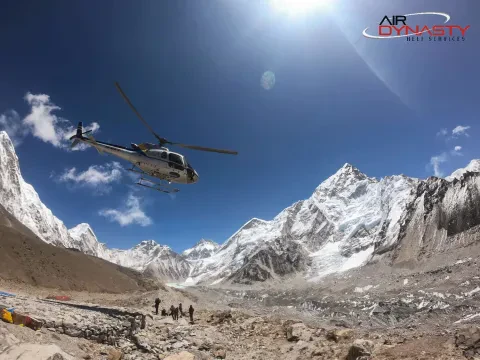
The Himalayan Helicopter Adventure from Gorakshep to Kathmandu 2026 offers an extraordinary way to experience the grandeur of the Himalayas without the intense trekking. This adventure combines breathtaking aerial views, luxury helicopter travel, and close encounters with the world’s highest peaks. Operated by Air Dynasty Heli, this
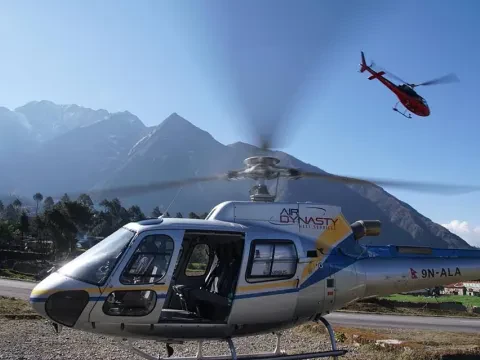
This segment of the journey marks a dramatic transition from the serene, high-altitude environment of the Khumbu region to the vibrant urban energy of Kathmandu. Travelers experience a unique perspective, leaving behind the snow-capped peaks, glacial valleys, and rugged trails, and soaring above the landscape in the comfort