
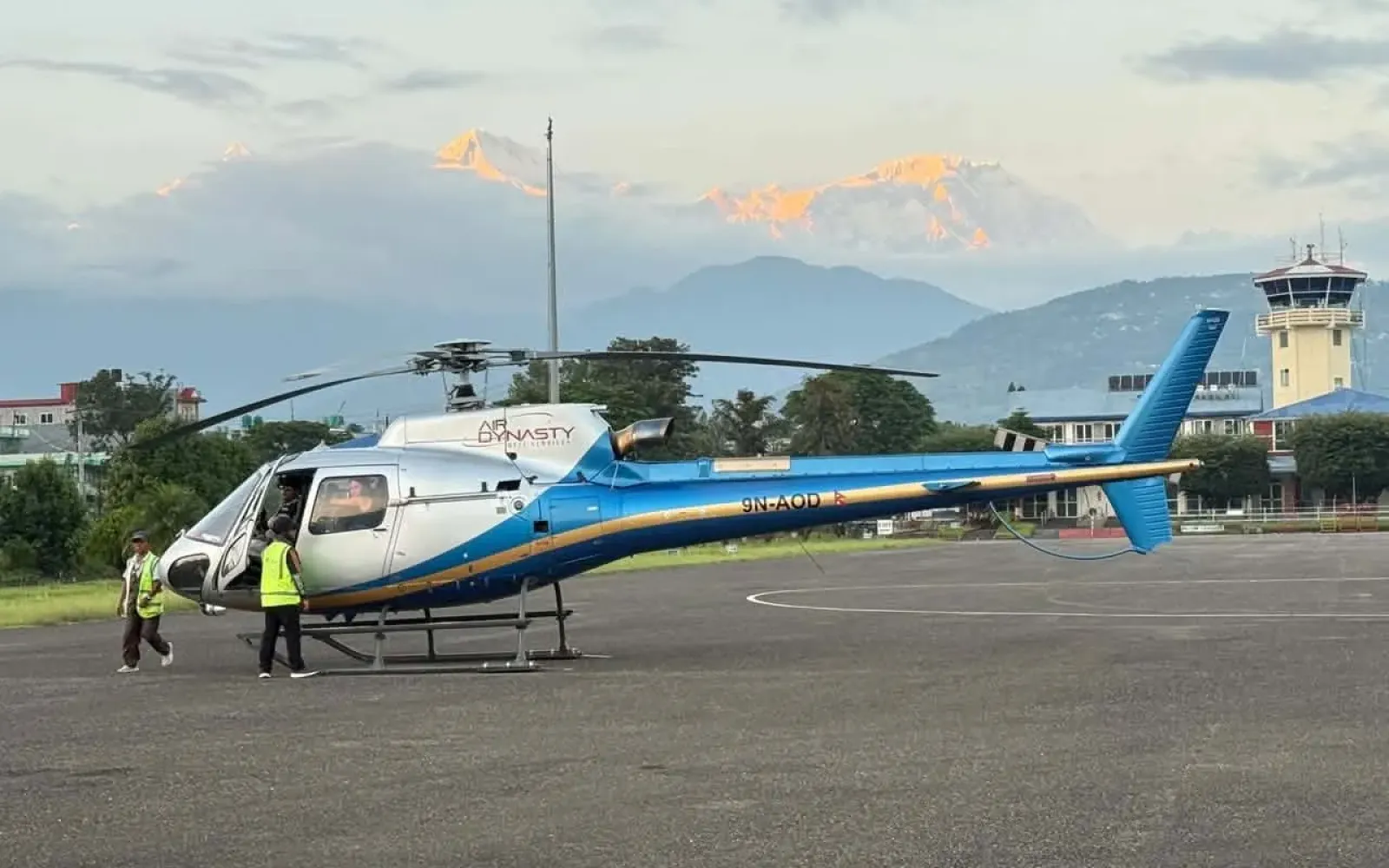
Nepal is one of the world's most spectacular destinations for helicopter tours, offering breathtaking aerial views of the Himalayas, snow-covered mountain peaks, green valleys, ancient temples, and remote landscapes. A helicopter tour allows travelers to experience the country's natural beauty without spending days trekking through challenging mountain trails. From the magnificent Mount Everest region to the Annapurna range and the sacred Muktinath Temple, helicopter sightseeing provides a convenient and memorable way to explore Nepal.
Choosing the best time for a helicopter tour in Nepal is essential for enjoying clear mountain views, favorable weather conditions, and a comfortable flight experience. Spring and autumn are generally considered the most favorable seasons because they often provide better visibility and more stable weather. However, helicopter tours can operate in other seasons when conditions are suitable, making it possible to explore Nepal throughout the year.
Air Dynasty Heli offers helicopter tour experiences for travelers seeking scenic Himalayan flights, mountain sightseeing, pilgrimage journeys, and customized aerial adventures. Understanding seasonal weather patterns and destination-specific conditions can help visitors choose the right tour and prepare for a memorable journey.
Helicopter tours in Nepal offer a unique opportunity to experience the grandeur of the Himalayas from above. Unlike traditional trekking adventures, helicopter flights allow travelers to reach remote mountain destinations in a relatively short time. Passengers can enjoy panoramic views of towering peaks, glaciers, alpine landscapes, traditional villages, and dramatic valleys while traveling comfortably by air.
These tours are especially appealing to travelers with limited time, families, photographers, luxury travelers, and visitors who want to experience the Himalayas without undertaking a demanding trek. Helicopter journeys can also provide access to important religious destinations, including Muktinath, making them suitable for pilgrims who prefer a quicker and more convenient travel option.
With Air Dynasty Heli, travelers can explore different Himalayan regions through sightseeing flights, mountain excursions, and destination-focused helicopter journeys, subject to availability and weather conditions. Selecting an appropriate departure time and season can make a significant difference in the overall experience.
Popular types of helicopter tours in Nepal:
The timing of a helicopter tour can directly affect visibility, flight comfort, mountain views, and the possibility of landing at a selected destination. Nepal's mountainous terrain creates rapidly changing weather conditions, and clouds can sometimes obscure famous peaks even when the weather appears pleasant in the city. Choosing a suitable season and departure time increases the chances of enjoying clear views and a rewarding flight.
Weather also plays an important role in aviation safety. Strong winds, heavy rainfall, snowfall, fog, cloud cover, and reduced visibility can affect flight operations. In some situations, a scheduled helicopter tour may be delayed, rerouted, or canceled. Responsible operators prioritize safe flying conditions rather than attempting to operate in unfavorable weather.
When planning a tour with Air Dynasty Heli, travelers should consider both seasonal patterns and the specific conditions expected on their travel date. Flexibility in the itinerary can be helpful, especially when visiting high-altitude destinations where weather conditions can change quickly.
Why timing matters:
Nepal experiences four main seasons, each offering different advantages for helicopter travel. Spring and autumn are generally the preferred seasons for Himalayan sightseeing because they often combine favorable visibility with relatively stable weather. Winter can provide beautiful snow-covered landscapes, while the summer monsoon brings lush greenery but also more frequent cloud cover and rainfall.
The best season also depends on the destination. A flight to the Everest region may have different weather considerations from a pilgrimage journey to Muktinath or a scenic excursion to Annapurna Base Camp. Travelers should therefore choose their tour based on the destination, expected weather, personal preferences, and operational advice from the helicopter company.
Air Dynasty Heli travelers can consider the following seasonal guide when planning their Himalayan adventure.
Seasonal guide:
For most travelers, spring and autumn are strong choices for a helicopter tour in Nepal. Nevertheless, no season guarantees clear skies or uninterrupted flights, so checking the latest forecast and confirming the flight with Air Dynasty Heli are important steps before departure.
Spring is one of the most popular seasons for helicopter tours in Nepal because the landscape becomes vibrant and the Himalayas can offer spectacular sightseeing opportunities. Temperatures generally become more comfortable at lower elevations, forests begin to bloom, and rhododendrons add bright colors to the hillsides. This combination of mountain scenery and seasonal beauty makes spring an attractive time for visitors who want to experience Nepal from the air.
During spring, travelers can explore popular destinations such as the Everest region, Annapurna Base Camp, and other Himalayan viewpoints, depending on flight availability and weather conditions. Early mornings often provide favorable sightseeing opportunities, although cloud development can vary by location and day. Travelers interested in photography may especially appreciate the contrast between colorful hillsides, deep valleys, and snow-covered mountain peaks.
Air Dynasty Heli can be considered by travelers planning a spring helicopter adventure in Nepal. Booking ahead is advisable during popular travel periods, and passengers should remain flexible because mountain weather can still change unexpectedly, particularly later in the day.
Why spring is a great time:
Spring is an excellent option for travelers who want to combine mountain sightseeing with Nepal's colorful natural scenery. However, the best departure date should be selected according to actual weather conditions rather than the calendar alone.
Summer and monsoon bring a different kind of beauty to Nepal. Hillsides become greener, forests flourish, rivers flow more strongly, and agricultural landscapes appear vibrant. Travelers who enjoy lush scenery may find this season appealing, particularly for viewing Nepal's valleys and countryside from above. However, the monsoon also creates additional challenges for helicopter operations because rainfall, low clouds, fog, and poor visibility can develop quickly.
Mountain destinations may be covered by clouds for extended periods during the monsoon, limiting views of the Himalayan peaks. Heavy rain can also affect landing conditions and access to certain locations. Although some helicopter flights may operate when weather conditions permit, sightseeing itineraries are more vulnerable to delays and cancellations during this period.
For travelers considering a monsoon helicopter tour with Air Dynasty Heli, flexibility is especially important. It is advisable to maintain an alternative travel date where possible, confirm departure arrangements with the operator, and avoid making nonrefundable plans that depend entirely on a particular flight taking place.
What to expect during the monsoon season:
Summer and monsoon are not necessarily unsuitable for every helicopter journey, but they require more careful planning than the generally favored spring and autumn seasons. The final decision to operate should always depend on current weather, visibility, and the pilot's safety assessment.
Autumn is widely regarded as one of the best seasons for helicopter tours in Nepal because it often offers clear skies, excellent mountain visibility, and favorable conditions for Himalayan sightseeing. Following the summer monsoon, the atmosphere gradually becomes clearer, revealing spectacular views of Mount Everest, the Annapurna range, Langtang, and other snow-covered Himalayan peaks. The comfortable weather in many regions also makes autumn an attractive period for international visitors, photographers, and adventure enthusiasts.
During September, some areas may still experience lingering monsoon rainfall, particularly in the early part of the month. As the season progresses into October and November, weather conditions are often more stable, creating excellent opportunities for scenic helicopter flights. Early morning departures are generally preferred for mountain sightseeing because visibility can be favorable before clouds develop later in the day. However, actual conditions vary by destination and date.
Air Dynasty Heli offers travelers an opportunity to explore Nepal's spectacular mountain landscapes through helicopter sightseeing and destination-focused flights, subject to operational availability and weather conditions. Autumn is particularly suitable for travelers seeking panoramic Himalayan views, memorable photographs, and convenient access to remote mountain destinations.
Why choose autumn for a helicopter tour?
For travelers planning a helicopter tour with Air Dynasty Heli, autumn is an excellent season to consider, especially if spectacular mountain views are a priority. Booking in advance and allowing some flexibility in the itinerary can help travelers manage busy travel periods and possible weather-related changes.
Winter offers a distinctive Himalayan experience, with snow-covered peaks, frosty landscapes, and beautiful mountain scenery. For travelers who enjoy dramatic snowy views, helicopter tours during December, January, and February can be especially rewarding. Some days offer excellent visibility, allowing passengers to admire the towering Himalayan mountains and deep valleys from above. Winter can also be attractive for visitors who prefer traveling outside the busiest autumn and spring periods.
However, winter conditions require additional preparation because temperatures drop significantly at high elevations. Snowfall, strong winds, icy landing areas, and changing mountain weather can affect flight schedules and landing possibilities. Some destinations may experience particularly cold conditions, so travelers should dress in warm layers and follow the operator's instructions regarding high-altitude stops.
Air Dynasty Heli travelers considering winter helicopter tours should confirm the intended route, departure time, and current weather forecast before traveling. Although winter can provide outstanding mountain views, flights and landings must remain dependent on safe operating conditions.
Advantages of winter helicopter tours:
December can provide attractive winter scenery, while January and February may bring colder temperatures and a greater likelihood of snow-related challenges at certain elevations. The suitability of a particular month depends on the destination, weather forecast, and operational conditions.
With Air Dynasty Heli, travelers can discuss their preferred winter itinerary and receive guidance about the feasibility of their planned journey. Maintaining flexible travel arrangements is especially important during this season because weather-related delays and cancellations are possible.
Weather is one of the most important factors influencing helicopter tours in Nepal. The country's dramatic elevation changes, deep valleys, and high mountain ranges create complex weather patterns that can differ significantly between locations. Conditions in Kathmandu may be clear while clouds or strong winds affect a destination in the Himalayas. For this reason, a helicopter flight must be assessed according to the conditions along the entire route, not simply the weather at the departure point.
Visibility, wind speed, cloud height, precipitation, temperature, and conditions at the intended landing site all influence flight planning. Low clouds may obscure mountain peaks, while heavy rain or snowfall can reduce visibility and make some landing areas unsuitable. At high elevations, cold temperatures and thinner air also affect helicopter performance and require careful operational planning.
Air Dynasty Heli and its flight crew must prioritize aviation safety when assessing weather conditions. Even if a tour has been booked in advance, departure times, routes, or landing plans may change when conditions are unsuitable. Travelers should understand that these decisions are made to protect passengers and crew.
Important weather factors to consider:
Tips for Planning Around Himalayan Weather
To improve the chances of enjoying a successful helicopter tour, travelers should choose a season suited to their destination and avoid scheduling essential onward travel immediately after the flight. When possible, keeping an additional day available can help accommodate delays caused by changing weather.
Before departure, confirm the flight status with Air Dynasty Heli and follow the operator's instructions regarding meeting times, baggage limits, clothing, and possible itinerary changes. Travelers should also check the cancellation, rescheduling, and refund conditions before confirming their booking.
Practical planning tips:
The Everest region is one of Nepal's most popular destinations for helicopter sightseeing, attracting travelers who want to experience the world's highest mountain without completing a long and physically demanding trek. A helicopter tour can offer spectacular views of Mount Everest, Lhotse, Nuptse, Ama Dablam, and surrounding Himalayan peaks. Depending on the itinerary and operating conditions, flights may include scenic viewpoints near Everest Base Camp and Kala Patthar, with landing opportunities determined by weather, safety requirements, and applicable restrictions.
Spring and autumn are generally the most favorable seasons for Everest-region helicopter tours. March through May often provides beautiful mountain scenery and increasingly pleasant conditions, while October and November are popular for their frequently clear skies after the monsoon. April and October are particularly attractive months for many visitors, although excellent visibility cannot be guaranteed on any specific date.
Air Dynasty Heli can be considered by travelers planning a scenic Everest helicopter adventure. Because the region reaches extreme elevations and weather can change rapidly, selecting an appropriate departure window and following the flight crew's instructions are essential. High-altitude landings may be limited by wind, visibility, aircraft performance, passenger health considerations, and other operational requirements.
Best months for an Everest helicopter tour:
What to Expect on an Everest Helicopter Tour
An Everest helicopter tour typically begins with a departure from the Kathmandu area, followed by a flight toward the Himalayan mountain region. Passengers may see deep valleys, Sherpa settlements, glaciers, and spectacular snow-covered peaks along the way. The exact route, viewing stops, and landing arrangements depend on the selected package and current operating conditions.
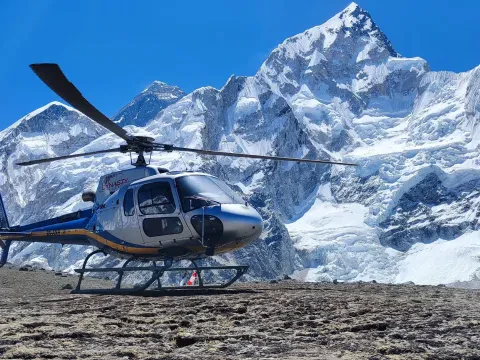
Some itineraries include a breakfast stop or a short landing at an authorized location, while others focus primarily on aerial sightseeing. High-altitude stops may be time-limited because of reduced oxygen availability and the physical demands of the environment. Passengers should follow the crew's instructions and avoid strenuous activity during any high-altitude landing.
Helpful tips for an Everest helicopter tour:
For travelers dreaming of seeing Mount Everest from the air, a helicopter tour with Air Dynasty Heli can offer a memorable way to experience the Himalayas in a limited amount of time. The best experience comes from selecting a suitable season, understanding the itinerary, and prioritizing safe flight conditions.
The Annapurna region is another outstanding destination for helicopter tours in Nepal, known for its dramatic mountain scenery, deep valleys, alpine landscapes, and spectacular Himalayan panoramas. A helicopter journey can provide views of Annapurna I, Machhapuchhre (Fishtail), Hiunchuli, and neighboring peaks, depending on the route. Popular itineraries may include Annapurna Base Camp, offering travelers an opportunity to experience the magnificent mountain amphitheater without completing the traditional multi-day trek.
Spring and autumn are generally the best seasons for an Annapurna helicopter tour. During spring, blooming rhododendrons and greener hillsides create a colorful contrast with the snow-covered mountains. In autumn, post-monsoon skies often provide excellent visibility, making it a particularly appealing season for sightseeing and photography. Early morning flights are frequently preferred, although the best departure time depends on the destination and forecast.
Air Dynasty Heli can help travelers explore helicopter-tour options for Nepal's mountain destinations, subject to its available routes and services. Since the Annapurna region contains steep terrain and rapidly changing weather conditions, travelers should confirm the precise itinerary, landing arrangements, and flight availability before departure.
Best months for an Annapurna helicopter tour:
What Makes an Annapurna Helicopter Tour Special?
One of the highlights of an Annapurna helicopter tour is the opportunity to witness the region's dramatic geography from above. The flight may reveal terraced hillsides, traditional settlements, rugged ridgelines, glaciers, and enormous snow-covered peaks. Depending on the chosen itinerary, a tour may also offer a closer aerial perspective of the Annapurna Sanctuary and its surrounding mountains.
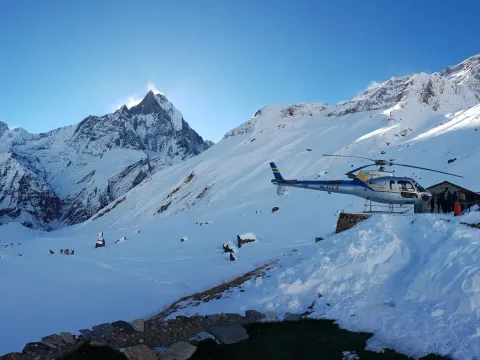
Helicopter tours can be especially appealing to visitors who have limited vacation time or are unable to undertake a demanding trek. However, reaching a high-altitude destination by helicopter does not eliminate the effects of altitude. Travelers should take any recommended precautions seriously and follow the crew's guidance during ground stops.
Tips for planning an Annapurna helicopter tour:
For travelers seeking spectacular Himalayan scenery, an Annapurna helicopter tour with Air Dynasty Heli can be an excellent addition to a Nepal itinerary. Selecting the right season and remaining flexible with departure plans can help make the experience more enjoyable and rewarding.
The Langtang region is one of Nepal's most beautiful Himalayan destinations, offering spectacular mountain views, deep valleys, glaciers, alpine landscapes, and traditional villages. A helicopter tour provides an opportunity to experience this remarkable region without completing a lengthy trek. Travelers can enjoy aerial views of the Langtang mountain range, surrounding peaks, and the dramatic landscapes of Langtang National Park, depending on the selected route and prevailing flight conditions.
Spring (March–May) and autumn (September–November) are generally the most favorable seasons for a helicopter tour to Langtang. Spring brings colorful forests, blooming rhododendrons, and increasingly pleasant temperatures, while autumn often offers clearer skies following the monsoon. October and November are particularly attractive for travelers hoping to enjoy panoramic mountain views, although actual visibility depends on the weather on the day of departure.
Air Dynasty Heli can be considered by travelers interested in exploring Nepal's Himalayan landscapes by helicopter. Before booking a Langtang tour, passengers should confirm the available itinerary, flight duration, and any planned landing arrangements. Mountain weather can change quickly, so the final decision to operate must depend on current conditions and the pilot's assessment.
Best time for a Langtang helicopter tour:
Why Choose a Langtang Helicopter Tour?
A helicopter journey to Langtang is ideal for travelers seeking mountain scenery within a limited schedule. It provides a different perspective on Nepal's natural beauty, combining views of rugged terrain, forested hills, and high Himalayan peaks. The experience can be particularly attractive to photographers, nature lovers, and visitors who cannot undertake a multi-day trek.
For a comfortable experience, travelers should wear warm clothing, bring sun protection, and follow the operator's instructions during any high-altitude stop. With Air Dynasty Heli, passengers should confirm whether their chosen package includes a landing or focuses on aerial sightseeing, as arrangements depend on the specific tour and operating conditions.
Beyond Everest, Annapurna, and Langtang, Nepal offers several other remarkable destinations for helicopter tours. From sacred pilgrimage sites to remote Himalayan valleys, these journeys allow visitors to discover the country's cultural heritage and natural landscapes in a relatively short time. The ideal season varies according to the destination, elevation, and local weather conditions.
Spring and autumn are generally favorable for many regional helicopter journeys because they often provide better visibility and more stable weather. However, some destinations have particular seasonal considerations. High-altitude areas may experience heavy snowfall in winter, while remote western regions can be affected by monsoon clouds and rainfall during summer. Travelers should select a destination based on their interests and confirm flight availability before making travel arrangements.
Air Dynasty Heli can be approached for information about available helicopter tours, scenic flights, and pilgrimage itineraries in Nepal. The following destinations illustrate some of the possibilities travelers may consider, subject to the company's current services and operational permissions.
Popular Regional Helicopter Destinations
Muktinath Helicopter Tour
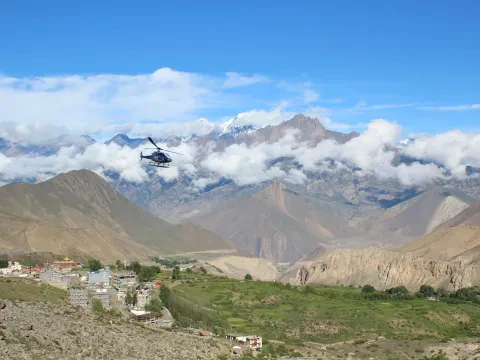
Muktinath, located in the Mustang region, is an important pilgrimage destination for both Hindu and Buddhist visitors. A helicopter journey offers a convenient alternative for travelers who want to visit the sacred site without undertaking a long overland journey or trek. Spring and autumn are often suitable seasons, although high-altitude weather and local conditions must be assessed before departure.
Gosaikunda Helicopter Tour
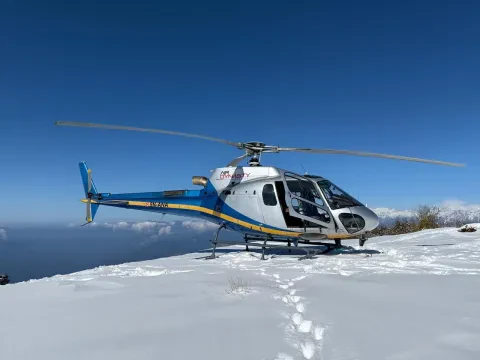
Gosaikunda is a sacred alpine lake in the Langtang region, renowned for its religious importance and dramatic mountain surroundings. A helicopter tour can provide an impressive aerial perspective of the lake and nearby Himalayan terrain. Spring and autumn may offer favorable sightseeing opportunities, but access and landing arrangements depend on weather, permissions, and operating conditions.
Manang and Mustang Region
The Manang and Mustang areas are known for their distinctive landscapes, mountain valleys, traditional settlements, and striking views of the Annapurna and Dhaulagiri ranges. Helicopter journeys to these regions can offer an excellent opportunity to experience remote Himalayan scenery. Autumn and spring are often attractive periods, while Mustang's relatively dry climate can provide different conditions from Nepal's wetter central and eastern mountain regions.
Remote Himalayan Scenic Flights
Depending on available services and permissions, travelers may also explore other Himalayan areas through customized scenic helicopter journeys. Such flights can provide aerial views of glaciers, mountain ridges, remote valleys, and isolated settlements. The best season depends on the chosen region, so a destination-specific assessment is essential.
When planning a regional helicopter tour with Air Dynasty Heli, travelers should verify the exact destination, departure arrangements, landing permissions, and weather requirements. Not every destination or landing site is available on every date, and all flights remain subject to operational safety considerations.
The time of day can significantly influence the experience of a helicopter tour in Nepal. Morning departures are often preferred for Himalayan sightseeing because the weather may be more stable and mountain visibility can be better before clouds develop. The early hours can also provide beautiful natural light for photographing snow-covered peaks, glaciers, valleys, and mountain villages.
Afternoon flights can still be enjoyable when conditions remain suitable. Depending on the destination and season, afternoon sunlight may create attractive contrasts across mountain slopes and valleys. However, cloud development, wind conditions, and changing visibility can make some afternoon flights less predictable, particularly during the pre-monsoon and monsoon periods. The best departure time always depends on the actual forecast and route.
For travelers booking with Air Dynasty Heli, the operator's recommended departure time should take priority over a general morning-versus-afternoon preference. Pilots assess weather, visibility, route conditions, and operational requirements before deciding whether a flight can proceed safely.
Morning Helicopter Tours
Morning tours are commonly recommended for mountain sightseeing, particularly in the Everest, Annapurna, and Langtang regions. Early departures may provide clearer views before daytime cloud development, although mountain weather is not guaranteed to follow a predictable pattern.
Advantages of morning flights:
Afternoon Helicopter Tours
Afternoon flights can be a good alternative when weather conditions, route availability, and operational schedules allow. They may suit travelers whose arrangements make an early departure difficult. Nevertheless, afternoon cloud cover and changing winds must be considered, particularly when flying into mountainous terrain.
Advantages and considerations of afternoon flights:
Which Departure Time Should You Choose?
For most travelers focused on Himalayan mountain views, an early morning departure is often a sensible first choice. However, there is no universally best time for every destination or date. A clear afternoon may provide better views than a cloudy morning, so actual weather conditions should guide the decision.
Before departure, confirm the recommended schedule with Air Dynasty Heli. Allow sufficient flexibility in your travel plans and remember that the pilot's safety assessment determines whether a flight can operate.
Choosing the right time for a helicopter tour involves more than selecting a month on the calendar. Travelers should consider the destination, seasonal weather, personal travel schedule, sightseeing priorities, and the possibility of weather-related changes. A well-planned trip increases the chances of enjoying spectacular Himalayan scenery while allowing enough flexibility for safe operations.
Spring and autumn are generally strong choices for travelers seeking clear mountain views. Winter can be rewarding for snowy landscapes, while the monsoon may appeal to those who enjoy lush scenery and can accommodate greater uncertainty. The best option ultimately depends on the intended route and the weather conditions during the travel period.
Air Dynasty Heli travelers should confirm their preferred itinerary and ask about practical arrangements before booking. Understanding the tour inclusions, departure procedures, landing possibilities, and cancellation policies helps prevent misunderstandings and makes the experience more comfortable.
Important Planning Tips
Prepare for High-Altitude Conditions
Helicopter tours can bring passengers to elevations where the air contains less available oxygen than at sea level. Even a short landing can cause discomfort in some people, particularly if they have not adjusted to the altitude. Travelers should discuss relevant health concerns with an appropriate medical professional before undertaking a high-altitude excursion.
It is also important to follow the crew's instructions about the duration of any stop. High-altitude landings may be limited because of weather, aircraft performance, and passenger safety requirements. Never assume that a planned landing will be possible simply because it appears in a proposed itinerary.
When arranging a tour with Air Dynasty Heli, communicate any special requirements in advance and ask for clarification if the itinerary or landing arrangements are unclear. Proper preparation and realistic expectations can make a significant difference to the overall experience.
Booking a helicopter tour in Nepal usually begins with selecting a destination, travel date, passenger count, and preferred itinerary. Travelers can then review available flight options, approximate duration, sightseeing opportunities, and any proposed landing arrangements. The final schedule may depend on weather, aircraft availability, operational permissions, and other safety considerations.
After choosing a suitable tour, passengers should confirm the total cost, applicable inclusions, baggage restrictions, departure location, and payment terms. Depending on the route and operator, the package may include transfers, ground stops, meals, or other services, but these should never be assumed without confirmation. Travelers should also check whether the tour is private or shared and whether the price changes according to passenger numbers.
Air Dynasty Heli can be contacted to discuss available helicopter tour options and clarify the details of a preferred journey. Confirming these arrangements before payment helps travelers understand what they are booking and how possible weather-related changes will be handled.
Step-by-Step Booking Process
1. Select your destination
Choose the region that best matches your interests, whether it is Everest for iconic Himalayan views, Annapurna for dramatic mountain scenery, Langtang for alpine landscapes, or Muktinath for a pilgrimage journey.
2. Choose your travel date
Consider seasonal weather and your overall itinerary. Spring and autumn are generally favorable for sightseeing, but no date can guarantee clear skies or uninterrupted operations.
3. Confirm the tour details
Ask about the planned route, estimated duration, departure point, passenger requirements, landing arrangements, and any included services.
4. Check pricing and policies
Request a clear quotation and review payment terms, cancellation conditions, rescheduling options, and any additional charges that may apply.
5. Receive the departure instructions
Confirm your reporting time, required identification, baggage allowance, and any other instructions supplied by the operator.
6. Check the final flight status
Before departure, verify that weather and operational conditions are suitable. Be prepared for changes if the pilot or operator determines that flying is not safe.
What Should You Confirm Before Booking?
Before finalizing a helicopter tour with Air Dynasty Heli, make sure you understand the important details of the trip.
What Happens if the Weather Is Unfavorable?
Mountain weather can change quickly, even during the most favorable travel seasons. If visibility, wind, precipitation, or other conditions are unsuitable, the operator may delay, modify, or cancel a scheduled flight. A planned landing may also be changed or omitted when conditions do not permit a safe stop.
Travelers should ask Air Dynasty Heli about the applicable options if their flight cannot operate as scheduled. Depending on the booking terms and operational circumstances, alternatives may include waiting for an improvement in weather, rescheduling, or other arrangements permitted by the operator's policies.
Maintaining a flexible itinerary is particularly important when a helicopter tour is part of a larger Nepal holiday. Avoid placing an essential international departure or another nonrefundable activity immediately after a flight that could be affected by mountain weather.
Choosing the best time for a helicopter tour in Nepal can transform a simple sightseeing flight into an unforgettable Himalayan experience. From the towering peaks of the Everest region to the dramatic Annapurna range, the beautiful Langtang Valley, and the sacred destination of Muktinath, Nepal offers remarkable opportunities for aerial exploration. Each region has its own landscape, seasonal character, and weather considerations, making it important to match the travel period with the destination and personal interests.
Spring (March–May) and autumn (September–November) are generally the most favorable seasons for helicopter sightseeing because they often offer better mountain visibility and relatively stable weather. Winter can provide magnificent snow-covered scenery, while summer and monsoon reveal lush green landscapes but bring a greater likelihood of rain, cloud cover, and flight disruptions. Regardless of the season, the actual weather on the day of travel remains the most important factor in determining whether a flight can operate safely.
Air Dynasty Heli can be considered by travelers planning a helicopter adventure in Nepal, whether their interests involve Himalayan sightseeing, mountain photography, or pilgrimage travel. By confirming the itinerary, understanding the booking conditions, preparing for high-altitude environments, and allowing flexibility in the schedule, travelers can plan a more comfortable and rewarding journey.
Final Recommendations for the Best Helicopter Tour Experience
Ultimately, the perfect helicopter adventure is not determined by the calendar alone. It depends on choosing a suitable destination, traveling during a favorable weather window, and working with an operator that prioritizes safety. With thoughtful planning and guidance from Air Dynasty Heli, visitors can discover Nepal's extraordinary Himalayan beauty from a remarkable aerial perspective.