

Quick Inquiry
| Duration | 1 Day days |
| Max. elevation | 4870 m |
| Level | Easy |
| Transportation | Private Transportation & Helicopter Transfers |
| Accomodation | NA |
| Starts at | Kathmandu |
| Ends at | Kathmandu |
| Trip route | |
| Cost | USD 0 per person |
Mount Makalu, standing at an impressive 8,463 meters, is the fifth highest peak in the world. Located in the Mahalangur Himalayas of Nepal, it shares the same majestic range as Mount Everest, Lhotse, and Cho Oyu. Makalu is renowned for its sharply pyramidal shape, challenging climbing routes, and relatively untouched trails. Unlike Everest, the Makalu Base Camp region is less frequented, making it a pristine and adventurous destination for trekkers and mountaineers seeking solitude and natural beauty. The journey to Makalu Base Camp takes you through the breathtaking Makalu-Barun Valley, with its diverse landscapes, rivers, and dense forests.
The trek to the base camp is demanding and requires preparation, both physically and mentally. At 5,250 meters, the base camp provides panoramic views of surrounding peaks including Everest, Lhotse, Cho Oyu, and Kanchenjunga. One unique highlight is witnessing the Kangshung Face of Everest, a sight rarely experienced by trekkers on other routes. However, the high altitude, unpredictable weather, and rugged terrain pose serious challenges. Illnesses like acute mountain sickness, injuries, or sudden health emergencies are real risks on such expeditions.
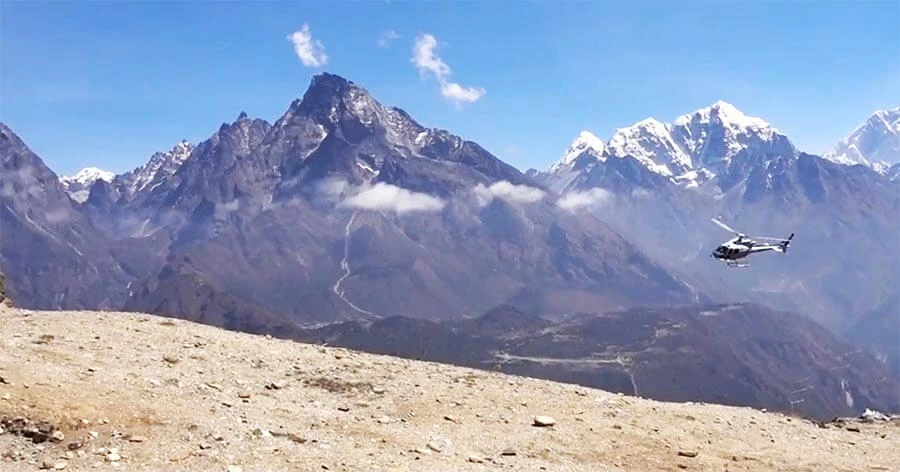
This is where the Air Dynasty Helicopter Rescue Service becomes essential. With years of experience providing aerial support in Nepal, Air Dynasty ensures quick, reliable, and safe helicopter evacuation from Makalu Base Camp. The process is straightforward: once a distress call is received, the team promptly dispatches a helicopter equipped with trained medical personnel and modern rescue gear.
The timing of your trek or expedition significantly affects safety and the feasibility of rescue operations. For Makalu Base Camp, the best season for rescue services aligns with the peak trekking periods when weather conditions are relatively stable and visibility is high. This is generally in the pre-monsoon (spring) from March to May and post-monsoon (autumn) from late September to November. During these periods, the skies are clearer, allowing helicopters to operate more safely and efficiently, which is crucial for emergency rescues.
In spring, the weather is mild, and the surrounding flora comes to life, adding vibrant colors to the trail. Autumn, on the other hand, offers crisp air and spectacular visibility of surrounding Himalayan peaks. While winter sees heavy snowfalls and harsh cold, and the monsoon brings intense rainfall and landslide risks, helicopter operations become far more dangerous and often impossible. Therefore, scheduling a trek or having a planned rescue during these optimal windows maximizes safety and response times.
Key Points to Consider:
Choosing a reliable rescue service is not just about convenience—it’s about safety, trust, and life-saving efficiency. Air Dynasty has built a strong reputation in Nepal for providing helicopter rescue services tailored specifically for high-altitude expeditions like those to Makalu Base Camp. Their expertise is backed by experienced pilots, modern aircraft, and medical personnel trained in mountain rescue, ensuring you are in safe hands even in extreme conditions.
High-altitude trekking comes with inherent risks such as altitude sickness, sudden weather changes, injuries, or exhaustion. In remote areas like Makalu Base Camp, ground evacuation is often impractical or impossible. A helicopter rescue from Air Dynasty provides immediate extraction, reducing the risk of complications and enabling prompt medical attention. Beyond emergencies, their service also offers peace of mind to trekkers and expedition teams, allowing them to focus on the adventure without worrying excessively about potential crises.
Reasons to Choose Air Dynasty:
Air Dynasty is more than a service—it’s a lifeline for adventurers tackling one of the world’s most demanding peaks. With their support, the challenges of Makalu are significantly safer, and even unexpected emergencies can be managed swiftly and professionally.
Emergency Call & Dispatch:
The day begins with the reception of an emergency call reporting a climber in distress at Makalu Base Camp. Air Dynasty Heli’s operations team immediately initiates a rapid assessment, verifying the severity of the situation and confirming the exact GPS coordinates of the climber. Simultaneously, the ground and air rescue teams are mobilized, ensuring all necessary medical equipment, safety gear, and rescue specialists are on standby. Within minutes, the helicopter is fueled, flight paths are coordinated with local authorities, and weather conditions are closely monitored to ensure a safe and timely dispatch to the Base Camp.
On-site Rescue Operations:
Upon arrival at Makalu Base Camp, the Air Dynasty Heli team swiftly assesses the environment and the climber’s condition. The rescue operation is conducted with precision, using advanced hoisting equipment if terrain or altitude prevents a direct landing. The team establishes a secure perimeter around the climber, stabilizes injuries, and administers first aid on-site. The crew continuously communicates with the control center, updating the situation and receiving guidance on optimal extraction routes. Their expertise ensures that even in harsh, high-altitude conditions, every step is executed safely and efficiently.
Airlift to Safety and Emergency Care:
Once the climber is stabilized, Air Dynasty Heli initiates the airlift phase, carefully hoisting the individual into the helicopter if necessary or conducting a landing if terrain allows. During the flight, trained medical personnel provide continuous monitoring and treatment, ensuring vital signs are stable. The helicopter follows a pre-planned emergency route to the nearest high-altitude medical facility, maintaining constant communication with the base to update the patient’s condition. The seamless coordination between pilots, medical staff, and ground support ensures that the climber receives timely and professional care while minimizing risks during transport.
Post-Rescue Support and Coordination:
After safely delivering the climber to a medical facility, Air Dynasty Heli coordinates with hospital staff to provide a detailed handover of the patient’s condition and treatment administered during rescue. The team conducts a debriefing session, reviewing all phases of the operation to improve future response times and safety measures. Logistics are managed for returning personnel and equipment to the base or next assignment. Additionally, the rescue company maintains contact with the climber’s family and authorities, ensuring transparent communication, psychological support if needed, and assistance with further evacuation or recovery plans.